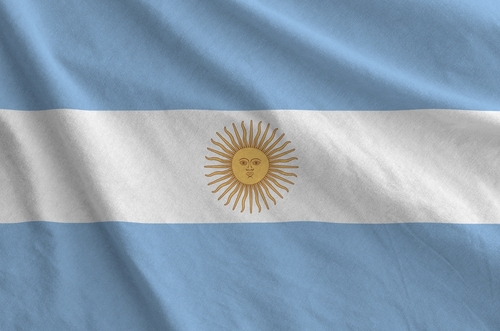

Argentina Flag Day, or Día de la Bandera, is one of the most significant national holidays in Argentina. It is a day filled with pride, reflection, and celebration of national identity. For Argentines living abroad, it serves as a powerful reminder of home, history, and the values that connect them to their roots.
Celebrated annually on June 20th, this holiday honors the creator of the Argentine flag, General Manuel Belgrano, and the enduring symbol of freedom he designed. If you are planning to send money home to loved ones for the festivities or simply want to understand the cultural significance of the day, this guide covers everything you need to know about Argentina Flag Day in 2026.
When is Argentina Flag Day 2026?
In 2026, Argentina Flag Day will be observed on Saturday, June 20th.
While many national holidays in Argentina are moved to Mondays to create long weekends for tourism purposes, Flag Day is fixed on the anniversary of Manuel Belgrano’s passing. It is a designated public holiday (feriado nacional), meaning government offices, schools, and banks will be closed.
For those planning to celebrate or send remittances to family members for the occasion, it is helpful to mark this date on your calendar. Since it falls on a Saturday in 2026, many families will likely use the entire weekend for gatherings, meals, and community events.
The History Behind the Flag
The light blue and white stripes of the Argentine flag are recognized worldwide, but the story of their origin is deeply tied to the country’s fight for independence.
General Manuel Belgrano
The flag was created by General Manuel Belgrano, a lawyer, economist, and one of the key figures in the Argentine War of Independence. Belgrano realized that the troops fighting for independence needed a symbol to distinguish them from the Spanish forces, who used red and yellow colors.
On February 27, 1812, on the banks of the Paraná River in the city of Rosario, Belgrano raised the flag for the first time. He designed it with three horizontal stripes: light blue (celeste) on the top and bottom, and white in the middle.
The Sun of May
You will notice that the official ceremonial flag features a golden sun in the center of the white stripe. This is known as the “Sun of May” (Sol de Mayo). It was added later, in 1818, and represents Inti, the Incan god of the sun. The sun has a human face with 32 rays—16 straight and 16 wavy—alternating around it.
It serves as a symbol of liberty and the emergence of a new nation, referencing the May Revolution of 1810 which marked the beginning of Argentina’s independence process.
Why June 20th?
Although the flag was first raised in February, Flag Day is celebrated on June 20th to commemorate the death of Manuel Belgrano in 1820. It was established as a national holiday in 1938 to honor his legacy and his gift to the nation.
Traditions and Celebrations
Flag Day is observed with patriotic fervor across the country. From small towns to major cities, the blue and white colors are displayed prominently on homes, public buildings, and vehicles.
The Main Event in Rosario
The epicenter of the celebrations is the city of Rosario, Santa Fe, the birthplace of the flag. Every year, thousands gather at the National Flag Memorial (Monumento Nacional a la Bandera). This massive complex is dedicated to the flag and its creator.
Key events in Rosario usually include:
- The raising of the flag: A solemn ceremony held early in the morning.
- Parades: Military personnel, veterans, and local organizations march through the streets.
- The world’s longest flag: A unique tradition where citizens carry a fabric flag that is several kilometers long, sewn together by local volunteers.
School Pledges
One of the most touching traditions occurs in primary schools. Fourth-grade students across Argentina make their pledge of allegiance to the flag (Jura de la Bandera) on or around June 20th.
During this ceremony, students promise to defend, respect, and love the flag. It is a major milestone in an Argentine child’s life, often attended by proud parents and family members. For families living abroad, missing this event can be difficult, but many find ways to celebrate virtually or hold small ceremonies at home.
Food and Family
Like most Argentine holidays, food plays a central role. Flag Day is synonymous with traditional dishes that bring comfort and warmth during the Southern Hemisphere’s winter.
Popular foods include:
- Locro: A hearty, thick stew made with corn, beans, meat, and vegetables. It is the quintessential national dish for patriotic holidays.
- Empanadas: Pastries filled with meat, cheese, or corn.
- Pastelitos: Sweet, fried pastries filled with quince or sweet potato jelly, often enjoyed with mate.
- Asado: If the weather permits, families will gather for a traditional barbecue.
Celebrating from Abroad
Living away from Argentina does not mean you have to miss out on the spirit of Día de la Bandera. There are many ways to honor the day and feel connected to your heritage.
Display the Colors
If you have an Argentine flag, display it proudly in your window or inside your home. If you don’t have a flag, wearing a jersey from the national soccer team (la Albiceleste) is a common and accepted way to show national pride.
Cook Traditional Meals
Preparing a pot of locro or baking pastelitos can fill your home with the scents of Argentina. Many recipes are available online if you need a refresher. Sharing these meals with friends or neighbors is a great way to introduce them to Argentine culture.
Connect with Community
Look for Argentine cultural associations or expatriate groups in your city. They often organize gatherings or events for national holidays. If there are no local events, video calling family back home during their lunch or dinner allows you to share in the festivities remotely.
Support Family Back Home
Many expatriates use national holidays as an opportunity to support their families in Argentina. Whether it is contributing to a family feast or sending a gift for a niece or nephew taking their flag pledge, financial support is a meaningful gesture.
Services like Remitly make this process simple and secure. We understand that every transfer represents hard work and care for your loved ones. Our transparent pricing and guaranteed delivery times provide peace of mind, letting you focus on celebrating rather than worrying about logistics.
The Meaning of the Flag Today
In modern Argentina, the flag represents more than just historical independence. It is a symbol of unity, resilience, and passion.
You see it draped over the shoulders of fans during the World Cup, raised during times of social expression, and displayed in the windows of homes during difficult times. For immigrants and expatriates, the flag is a portable piece of home—a reminder of where they come from and the identity they carry with them.
Celebrating Flag Day is about acknowledging the struggles of the past while looking forward with hope. It honors the idea that despite distances or differences, all Argentines are united under the same sun and the same sky blue and white.
Frequently Asked Questions (FAQs)
Is June 20, 2026, a long weekend in Argentina?
Since June 20, 2026, falls on a Saturday, it typically does not create a long weekend unless the government establishes a “bridge holiday” (feriado puente) on the preceding Friday or following Monday. These decisions are usually announced by the Argentine government closer to the start of the calendar year.
What do the colors of the flag represent?
There are various interpretations, but the most common is that the light blue and white represent the clouds and the sky. Another theory suggests the colors were chosen to match the cockade (rosette) used during the May Revolution, which were the colors of the House of Bourbon.
Can I fly the flag with the sun?
Yes. Historically, the flag with the sun was the “Official War Flag,” while the flag without the sun was for civilian use. However, since 1985, all citizens and private organizations are permitted and encouraged to use the flag with the Sun of May.
How do I say “Happy Flag Day” in Spanish?
You can say “¡Feliz Día de la Bandera!“
A Day of Unity
Argentina Flag Day 2026 is an opportunity to pause and appreciate the vibrant culture and history of Argentina. Whether you are eating locro in Buenos Aires, marching in Rosario, or wearing your light blue and white shirt in a city thousands of miles away, the spirit of the day remains the same.
It is a celebration of identity, memory, and the enduring bond between Argentines everywhere.