

You are watching the evening news or mapping out a cross-country road trip, and someone mentions the Rust Belt or the Bible Belt. You nod along. But do you actually know exactly where these places are or how they got their names?
The United States features over 20 informal “belt” regions, plus various bowls, triangles, and corridors. These US regional nicknames are not random labels. Each name tells a specific story about the land, its people, its agricultural history, and its unique identity.
American belt regions explained clearly and simply can help you understand the country better. These terms serve as windows into what makes each corner of America distinct and wonderful. By learning the origins of these names, you gain a deeper appreciation for the communities that make up the United States.
This guide explores the most well-known regional names, organizing them by theme so you can easily discover what makes each region special. You will learn what the Bible Belt is, what the Rust Belt represents, and why certain states belong to the Sun Belt.
A Quick History of Belt Regions
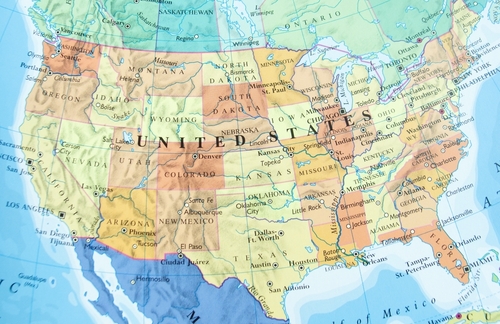
The “belt” terminology has been in use since the mid-1800s. People originally applied it to agricultural regions that followed lines of latitude — places where the climate was similar enough to grow the very same crops.
The name comes from the visual idea of a long clothing belt stretched horizontally across a map. The earliest belts were farming regions like the Wheat Belt and the Corn Belt, named directly for what grew there. Over time, the concept expanded to cover climate patterns, industrial history, religious demographics, and food traditions. Today, the US has roughly 20 recognized belt regions, plus a growing number of informal nicknames for tech corridors and cultural zones.
The Agricultural Belts
Farming is central to the American story. These agricultural belts celebrate the heritage of the regions that feed the country and the world.
The Corn Belt
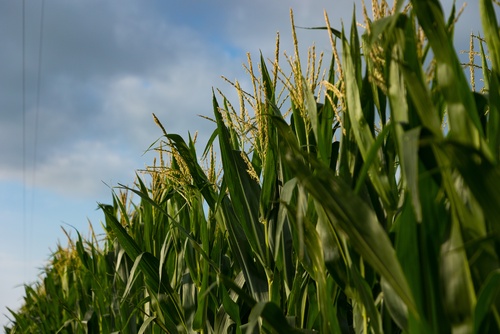
The Corn Belt primarily includes Iowa, Illinois, Indiana, Ohio, Nebraska, and Minnesota. This region has led US corn production since the 1850s. Today, it produces more than 10 billion bushels of corn each year — an amount that has increased by 400% since 1950. The crops are so vast and productive that they actually influence the region’s own weather patterns, increasing local rainfall by up to 35%. This is the agricultural heart of the country, featuring corn-fed livestock, family farms passed down through generations, and small towns with deep community roots.
The Wheat Belt
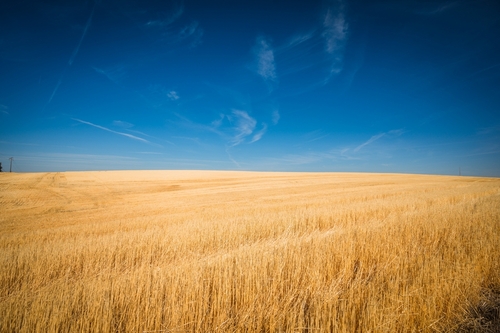
Often called the Breadbasket of America, the Wheat Belt forms a north-south corridor from central Canada through the Dakotas, Kansas, Nebraska, Oklahoma, and into central Texas. About three-quarters of all US grain products are made from wheat flour, and most of that wheat comes from here. The region literally feeds America’s breakfast tables. It offers a beautiful landscape of golden fields and wide-open skies that defines the Great Plains.
The Cotton Belt
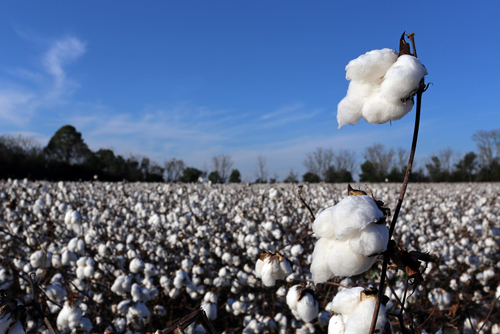
Historically, the Cotton Belt included Alabama, Georgia, Mississippi, and the Carolinas. It now extends into Texas and parts of California. Named for the crop that once dominated the Southern economy, the region has diversified significantly. Today, farmers grow corn, soybeans, wheat, peanuts, and timber alongside cotton. It is a region with a rich agricultural heritage and a modern farming industry that has adapted wonderfully over generations.
The Fruit Belt
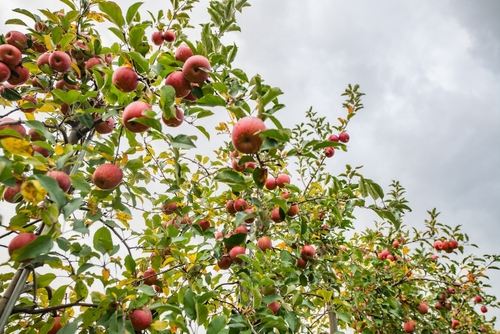
The Fruit Belt includes western Michigan and the shores of Lake Erie. Glaciers during the ice age left behind uniquely rich soil when they receded, making it perfect for fruit cultivation. Michigan is one of the country’s top apple producers, and the Lake Erie shore is a premier wine-producing region. The Great Lakes moderate the climate, allowing fruit to thrive in unexpected places.
The Salad Bowl
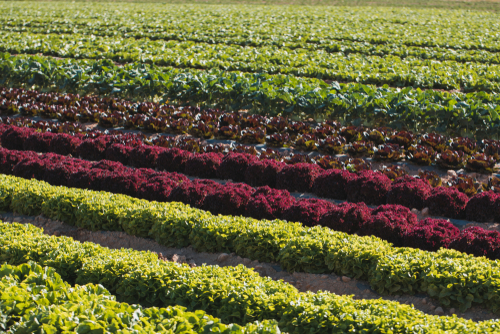
While technically not a “belt,” California’s Salinas Valley is affectionately known as the Salad Bowl of the World. It produces approximately 70% of the nation’s lettuce supply, along with a wealth of other vegetables. The valley grows more than 80 different types of fruits and vegetables annually and is one of the most agriculturally productive places on earth.
The Climate Belts
Weather and geography heavily influence how people live. These climate belts define the everyday experiences of millions of Americans.
The Sun Belt

The Sun Belt states form a broad arc from Florida and the Southeast, through the Gulf States, across Texas, New Mexico, Arizona, Nevada, and into California. The name emerged in the 1950s to describe its warm, sunny climate and rapid economic and population growth. It attracts retirees, tech companies, and families seeking year-round sunshine. From Gulf Coast beaches to desert landscapes, the Sun Belt is highly diverse and dynamic.
The Snow Belt
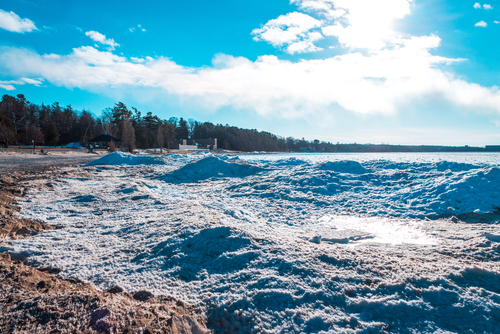
The Snow Belt covers the Great Lakes region, including New York, Ohio, Michigan, Minnesota, Wisconsin, Indiana, Illinois, and Pennsylvania. The Great Lakes stay warmer than the surrounding land in winter, creating lake-effect snow — highly localized snowfall that blankets communities on the southern and eastern shores. Winter here is a source of regional pride, celebrated with ice fishing, hockey, and cozy community traditions.
The Banana Belt

The “Banana Belt” nickname applies to pockets of Oregon, Washington, Montana, and other northern states. These areas feature microclimates that are noticeably milder than their surroundings. It is a playful name that highlights how America’s geography is full of pleasant, warm surprises tucked into otherwise cold landscapes.
Cultural and Religious Belts
Community and tradition shape the identity of many American regions. These names reflect the shared values of the people who live there.
The Bible Belt
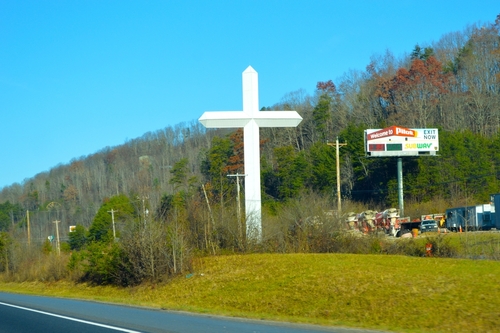
What is the Bible Belt? It is a broad region of the South and parts of the Midwest, including Alabama, Tennessee, Mississippi, Arkansas, Oklahoma, Texas, Kentucky, and portions of Virginia and the Carolinas. The term was coined in 1924 by journalist H.L. Mencken, but has since been embraced by many residents as a descriptor of the region’s strong faith traditions. The area features some of the highest church attendance rates in the country. For the people who live here, faith provides a deep sense of community, belonging, and shared values.
The Jell-O Belt

Also known as the Mormon Corridor, the Jell-O Belt covers Utah and parts of Idaho, Nevada, Wyoming, and California. Utah consumes more Jell-O per capita than any other state. This fun fact is tied to the large population of members of The Church of Jesus Christ of Latter-day Saints, for whom Jell-O is a beloved community staple. It shows how a shared food preference can become a point of genuine pride.
The Borscht Belt
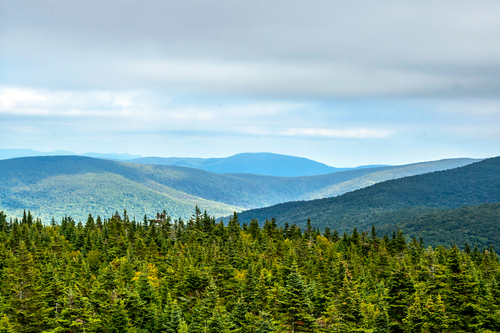
The Borscht Belt refers to a collection of Jewish resort hotels and summer camps in the Catskill Mountains of New York. Flourishing from the 1920s through the 1970s, it drew Jewish families seeking community, culture, and mountain air. The region was a historic launching pad for some of America’s greatest comedians and entertainers.
Industrial and Innovation Belts
American workers built the modern economy. These regions highlight the nation’s history of manufacturing and its future in technology.
The Rust Belt
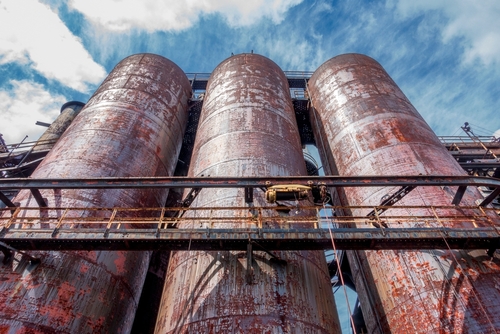
What is the Rust Belt? It is a corridor stretching from upstate New York through Pennsylvania, Ohio, Indiana, Michigan, Illinois, and Wisconsin. Once known as the Manufacturing Belt or Steel Belt, it powered America’s industrial economy through the mid-20th century. After deindustrialization, many cities faced challenges. Today, places like Pittsburgh and Detroit are experiencing remarkable reinventions — building new economies around healthcare, technology, and education. The story of the Rust Belt is one of incredible resilience and legendary community pride.
The Research Triangle
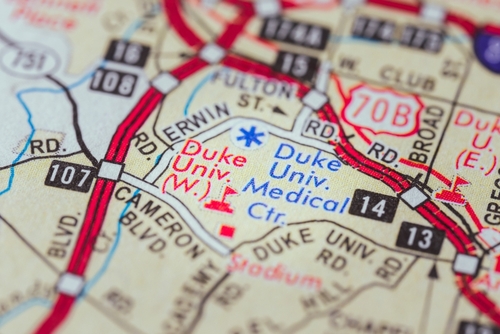
Located in North Carolina, the Research Triangle connects Raleigh, Durham, and Chapel Hill. Named for its proximity to Duke, UNC Chapel Hill, and NC State, it is a premier biotechnology and innovation hub. It stands as a shining example of universities, government, and private industry working together to create a dynamic community.
Silicon Valley
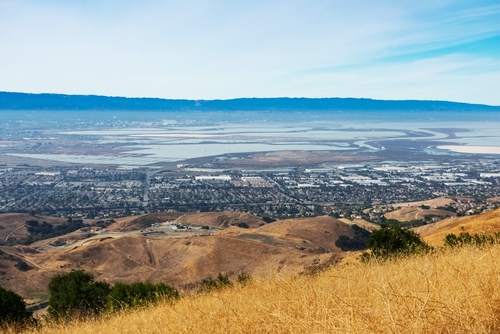
Situated in the San Francisco Bay Area, Silicon Valley is the most famous tech region in the world. The broader concept of a West Coast tech belt now extends to Seattle, Austin, and beyond. Taking its name from the silicon semiconductor chips developed there, this region proves that American regional identity continues to be written in real time.
Quirky and Delicious Regional Names
Some nicknames celebrate the specific, delicious foods that bring communities together.
The Pretzel Belt
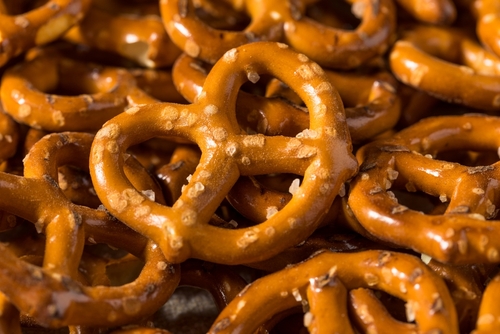
Located in central southeastern Pennsylvania around Hanover, the Pretzel Belt produces approximately 80% of the pretzels consumed in the United States — with 45 pretzel companies calling the state home. The first commercial pretzel bakery in America, the Julius Sturgis Pretzel Bakery, was founded in the region in 1861 and remains open today. Often called the Snack Capital of the World, this area boasts a wonderfully specific regional identity built entirely on salty, crunchy pride.
The Pierogi Pocket

Pittsburgh and western Pennsylvania have a rich Eastern European immigrant heritage. This history left behind an enduring love of pierogies. The dumpling is so beloved that it has its own race mascot at local baseball games. It beautifully illustrates how immigrant food traditions become permanent parts of a region’s identity.
Understanding America’s Living Geography
America is one of the most geographically and culturally diverse countries on earth. Its regional nicknames serve as a helpful reminder of that incredible variety. Each belt, bowl, and corridor carries a story worth knowing. They speak to the land, the people who settled it, the industries that shaped it, and the traditions that have endured. The best way to truly understand these regions is to visit them yourself.
Frequently Asked Questions (FAQs)
How many belt regions does the US have?
The United States has roughly 20 formally recognized belt regions. There are also numerous informal regional nicknames for tech corridors, cultural zones, and food-producing areas.
Do these regions overlap?
Yes, they overlap significantly. A state like Tennessee sits within the Bible Belt, the Cotton Belt, and the Sun Belt all at the same time. The borders are informal and frequently blend together.
Where did the term “belt” come from?
The term dates to the mid-1800s. It originally described agricultural regions that followed lines of latitude, resembling a long belt stretched across a map.
What is the newest major belt region?
Informal tech-focused nicknames like “Silicon Valley” and the broader West Coast “tech belt” are among the most recently coined. Silicon Valley emerged as a popular term in the early 1970s.
Are these nicknames used by people who live there?
It varies by region. Names like the Corn Belt, the Bible Belt, and the Rust Belt are widely recognized and used by local residents. Others are more commonly used by journalists, historians, or travelers.