

Have you ever watched the last light of sunset fade and felt something you couldn’t quite name? Not sadness, exactly. Not happiness. Something in between—quiet, full, a little melancholy. That feeling is real. You’ve experienced it. You just don’t have a word for it.
That’s where language falls short. English is rich in many ways, but there are emotional experiences it simply hasn’t bothered to name. Other languages have. Japanese, in particular, has developed a remarkable vocabulary for the subtle, fleeting, and quietly profound moments of human experience—feelings tied to impermanence, beauty, silence, and the spaces between things.
This isn’t just a linguistic curiosity. Research in cognitive science suggests that having a word for an emotion makes it easier to recognize, process, and even regulate. When you can name something, you can hold it. You can understand it. You can let it pass without confusion or resistance.
Japanese culture has long placed value on subtlety, on impermanence, on the quiet observation of the natural world. Traditions rooted in Zen Buddhism, the tea ceremony, Noh theatre, and classical poetry have all shaped a language that notices what others overlook. The result is a set of words that don’t just describe emotions—they reframe how you experience everyday life.
Below are eight Japanese emotional concepts that many people feel but rarely articulate. Learn them, and you may start to see the world a little differently.
Wabi-Sabi (侘寂): The Beauty of Imperfection
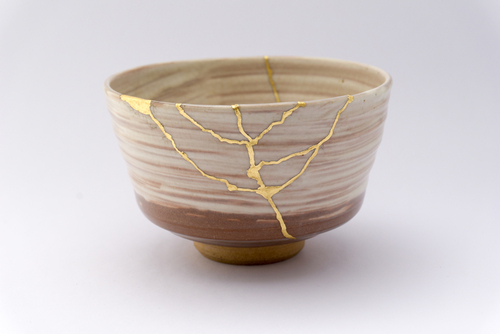
Wabi-sabi is perhaps the most well-known of these concepts in the West, though its full meaning often gets reduced to an aesthetic trend. At its core, wabi-sabi is the emotional acceptance of imperfection and impermanence—a way of finding beauty in things that are aged, worn, cracked, or unfinished.
The concept has roots in Zen Buddhism and the Japanese tea ceremony, where rustic, handmade bowls were prized precisely because of their irregularities. One of its most striking expressions is kintsugi, the art of repairing broken pottery with gold lacquer. Rather than hiding the damage, kintsugi highlights it. The cracks become the most beautiful part of the object.
Emotionally, wabi-sabi offers something quietly powerful: relief. It loosens the grip of perfectionism. A weathered wooden fence, a faded photograph, an imperfect handmade gift—these things carry their history visibly, and wabi-sabi says that history is not a flaw. It’s the whole point.
Mini takeaway: Imperfection isn’t something to fix. It’s something to appreciate.
Mono no Aware (物の哀れ): The Gentle Sadness of Fleeting Beauty
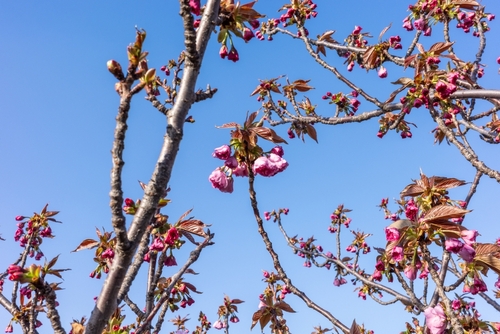
Mono no aware translates roughly as “the pathos of things” or “an empathy toward things.” It describes the bittersweet awareness that everything is temporary—and the gentle sorrow that comes with that awareness, mixed with gratitude for the moment itself.
The most iconic cultural expression of mono no aware is cherry blossom season, or hanami. For a few brief weeks each spring, Japan erupts in pale pink. People gather under the trees to eat, drink, and simply be present. The blossoms fall within days. That fleeting quality isn’t incidental to the experience—it’s the entire point. The beauty is inseparable from its impermanence.
Mono no aware doesn’t lead to despair. It leads to a kind of heightened attention. Knowing that a moment won’t last makes it more vivid, more tender. It transforms ordinary experiences—a shared meal, a child’s laughter, the last evening of a vacation—into something worth pausing for.
Mini takeaway: Beauty is intensified, not diminished, by the fact that it won’t last.
Komorebi (木漏れ日): Sunlight Filtering Through Leaves

Some Japanese words name not emotions but sensory experiences so specific they feel almost private. Komorebi is one of them. It refers to the interplay of light and shadow created when sunlight filters through leaves—the shifting, dappled glow on a forest floor or a quiet path in the afternoon.
That there’s a word for this at all says something important. It suggests that the experience is worth noticing, naming, returning to. Japanese language has a long tradition of giving precise names to small, beautiful sensory moments, particularly in nature. These words act as invitations to slow down.
The emotional effect of komorebi is subtle but consistent: a quiet sense of wonder. A pause in the noise of the day. Noticing light through leaves doesn’t require effort or practice. It just requires looking up.
Mini takeaway: Naming small moments of beauty encourages you to stop and experience them.
Yūgen (幽玄): A Mysterious, Profound Sense of Beauty

Yūgen is harder to pin down than komorebi. It describes a deep, mysterious awareness of beauty—the kind that is felt more than seen, suggested rather than stated. It’s the emotion evoked by mist over distant mountains, by the sound of a temple bell carried on night air, by a piece of music that stirs something wordless.
The concept is closely associated with Noh theatre, one of Japan’s oldest dramatic traditions, where restraint is central. Noh performers move slowly, speak sparingly. The power of a performance comes from what is withheld—the space between gestures, the meaning behind stillness. Yūgen lives in that space.
In everyday life, yūgen might appear in a painting you can’t fully explain, a line of poetry that stops you mid-breath, or a moment in nature so vast it makes your thoughts go quiet. It resists analysis. That’s the point.
Mini takeaway: Some of the most powerful experiences are the ones you can’t fully explain.
Ma (間): The Meaningful Pause or Empty Space
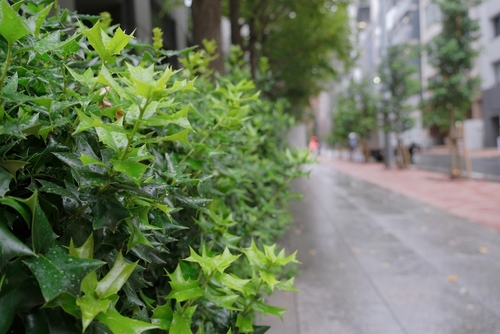
In English, silence is often understood as absence—a gap where something should be. In Japanese, ma reframes silence entirely. Ma refers to an intentional pause or empty space, one that carries its own meaning.
The concept reaches across music, architecture, martial arts, conversation, and design. In music, ma is the silence between notes that gives them shape. In architecture, it’s the empty room that allows a space to breathe. In conversation, it’s the pause before a response that signals thought and respect. Japanese minimalist design often works through ma—the uncluttered surface that draws attention to what remains.
This stands in direct contrast to Western cultural patterns that tend to treat silence as awkward or unproductive. Ma suggests the opposite: that space allows meaning to emerge. A conversation without pauses is just noise. A room without empty space is just clutter.
Mini takeaway: What you leave out can be as meaningful as what you put in.
Shizukesa (静けさ): Deep, Tranquil Silence
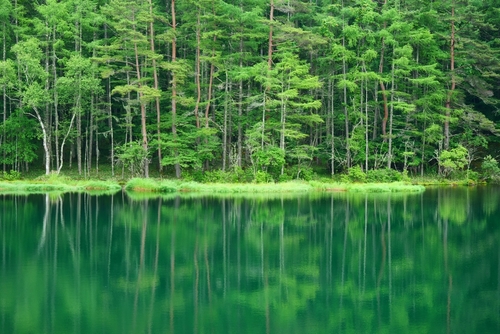
Where ma describes intentional space, shizukesa describes a quality of deep, tranquil stillness—a silence that isn’t merely the absence of sound, but a profound, almost physical peace.
Shizukesa is often associated with nature and sacred spaces. A dense forest just after rain. The grounds of a mountain temple at dawn. The moment before snow begins to fall. These are settings where silence feels full rather than empty, restorative rather than lonely.
Emotionally, shizukesa offers clarity. There’s a reason that meditation retreats, traditional tea ceremonies, and contemplative practices across cultures all return to silence. When external noise fades, internal noise often follows. What shizukesa names is that specific quality of silence that actually restores you—the kind that leaves you feeling less scattered, more yourself.
Mini takeaway: True silence has a texture to it, and it can restore mental clarity.
Hakanai (儚い): The Fragile, Fleeting Nature of Life
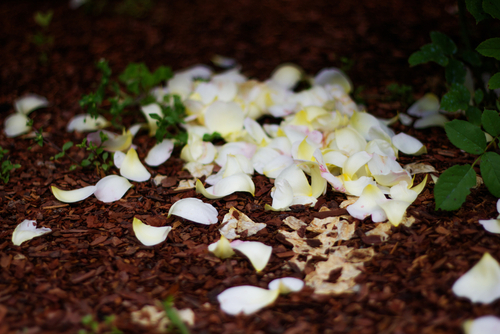
Hakanai is closely related to mono no aware, but it focuses more specifically on fragility—the delicate, transient quality of things that makes them precious and heartbreaking at once. It appears frequently in Japanese literature and poetry as a way to describe moments, memories, and lives that are brief and tender.
Falling petals. The last day of summer. A memory that surfaces and then dissolves. A moment of joy so complete you already sense it ending while it’s happening. Hakanai names the emotional texture of all of these.
The concept doesn’t encourage sadness, but rather a kind of tender attentiveness. Fragility asks to be witnessed. When you recognize that something is hakanai—brief, delicate, irretrievable—you naturally give it more care.
Mini takeaway: Fragility makes experiences more precious, not less.
Yohaku (余白): The Beauty of Empty Space
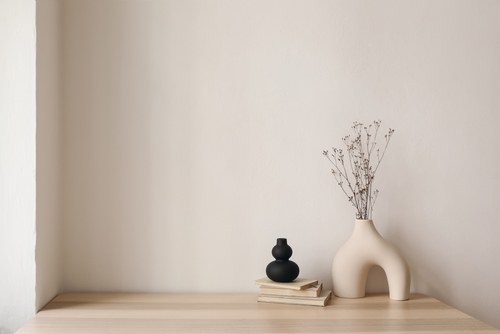
Yohaku refers to the blank space in a work of art, writing, or design—the white space, the undrawn area, the unsaid word. It’s closely related to ma, but where ma applies broadly across time and experience, yohaku is specifically about the creative and visual power of what is left empty.
In traditional Japanese painting, a figure might occupy a small corner of a large canvas, leaving most of the space untouched. That emptiness isn’t a mistake or a lack of effort. It creates atmosphere, invites interpretation, and allows the viewer’s imagination to participate. Sparse poetry works the same way—what’s not written shapes the meaning of what is.
Applied to everyday life, yohaku is a reminder that meaning doesn’t require density. An unscheduled afternoon. A quiet room. A conversation that doesn’t fill every silence. Space, deliberately created, allows other things to emerge.
Mini takeaway: Empty space isn’t a void. It’s an invitation.
Why Japanese Has So Many Words for Subtle Emotions
These eight concepts aren’t random. They reflect something deeper about Japanese cultural values and the philosophical traditions that shaped them.
Zen Buddhism, which arrived in Japan from China around the 12th century, placed enormous emphasis on present-moment awareness, the acceptance of impermanence, and the beauty found in simplicity. These values filtered into art, architecture, ceremony, and ultimately language. A culture that practices sitting quietly with impermanence will, over centuries, develop rich vocabulary for exactly that experience.
Japan’s artistic traditions—the tea ceremony, Noh theatre, haiku poetry, ink wash painting—all share a preference for restraint, suggestion, and the meaning that emerges from what is withheld. These forms don’t explain. They evoke. The language evolved alongside them.
There is also a deep cultural attention to nature in Japan, where seasons, weather, and landscape are not just backdrops to life but active presences within it. Words like komorebi and shizukesa aren’t poetic flourishes—they’re practical vocabulary for experiences that are noticed and valued often.
How These Concepts Can Change How You Experience Life
You don’t need to speak Japanese to benefit from these ideas. The emotions they describe are universal. What changes is your ability to recognize and sit with them.
Knowing mono no aware gives you language for the bittersweet feeling at the end of a good holiday. Knowing wabi-sabi can shift how you look at your own imperfections—or your home, your body, your work. Understanding ma might make you less afraid of silence in conversation. Yohaku could influence how you design your living space, or how you structure your day.
These aren’t abstract philosophical concepts. They’re practical tools for perception. A few ways to start:
- Slow down your attention. Komorebi and shizukesa are both about noticing what’s already there. The light through the trees exists whether or not you look at it.
- Sit with impermanence. The next time something beautiful is ending, try naming it. Mono no aware, or hakanai. Notice what changes.
- Build in emptiness. Leave a gap in your schedule. A pause in a conversation. Some blank space on a page. See what ma and yohaku make possible.
- Let go of perfect. Wabi-sabi isn’t a consolation prize for failure. It’s a genuine appreciation for the worn, the imperfect, and the real.
Frequently Asked Questions (FAQs)
Are these Japanese words used in everyday conversation?
Some are more common than others. Komorebi and wabi-sabi are used fairly naturally in everyday Japanese. Words like yūgen and hakanai appear more often in literature, poetry, and philosophical discussion. Ma is widely used across many contexts, including music, design, and casual speech.
Is there an English equivalent for any of these words?
Partial equivalents exist in some cases—”bittersweet” touches the edges of mono no aware, and “minimalism” overlaps with aspects of ma and yohaku. But none capture the full meaning. That’s precisely what makes these words valuable: they name something English leaves unnamed.
Can learning these concepts improve emotional wellbeing?
Psychologists have found that expanding your emotional vocabulary—a concept called “emotional granularity”—can help you better understand and regulate your feelings. Having a precise word for an emotion makes it easier to process. In that sense, yes: learning these concepts may genuinely help.
Do I need to study Japanese culture to use these ideas?
Not at all. These concepts translate naturally into any life. You don’t need a background in Zen Buddhism to appreciate silence, or a knowledge of Noh theatre to feel yūgen. Start by simply noticing the experiences these words describe.
Are there other Japanese emotional concepts worth exploring?
Many. Ikigai (a sense of life purpose), amae (the comfort of dependence), and kintsukuroi (finding strength in broken places) are just a few. Japanese culture has generated a rich vocabulary of inner life that rewards further exploration.
The Power of Naming a Feeling
Language shapes what we can perceive. A word doesn’t create an experience—but it helps you find it, recognize it, and hold it long enough to learn from it.
These eight Japanese concepts describe moments and feelings that most people have experienced without ever having a name for them. The quiet wonder of light through leaves. The tender sadness of a moment already ending. The peace that comes from deep silence. The meaning held in empty space.
Once you have the words, the experiences start to surface more often. You notice more. You linger a little longer. You find something worth appreciating in places you used to walk past.
That’s the quiet power of a vocabulary for beauty.