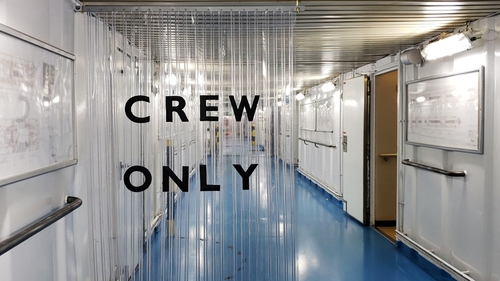

If you’ve ever scrolled through TikTok or YouTube and stumbled upon a cruise ship crew member giving a tour of their cabin, you’ve probably been surprised by what you saw. Life below deck looks nothing like the spacious staterooms passengers enjoy. Crew cabins are compact, functional, and tucked away in areas most guests never see.
More people than ever are curious about how cruise ship workers live. Whether it’s thanks to reality TV shows, crew vlogs, or viral videos, the world behind the scenes has become more visible. Understanding what crew cabins are really like offers insight into the daily lives of the thousands of people who keep these floating cities running.
It’s important to note that crew cabins vary widely depending on the cruise line, the size of the ship, and the crew member’s rank. An entry-level galley worker and a senior officer will have very different accommodations. This guide will walk you through what a typical crew cabin includes, where it’s located, and what daily life is like for those who call these small spaces home.
Where Are Crew Cabins Located?
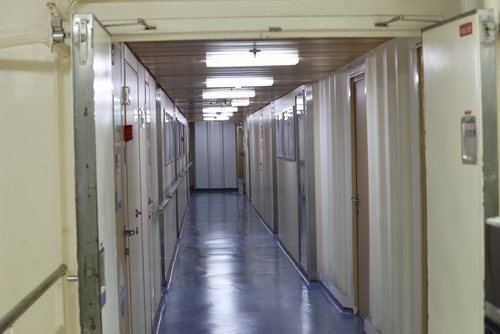
Crew cabins are typically found on the lower decks of the ship, well below the passenger areas. These decks are accessed through restricted hallways that require keycard entry. Most passengers never see these areas during their cruise.
The placement makes sense from a logistical standpoint. Crew members need to be close to their work zones, whether that’s the galley, laundry, engine room, or housekeeping storage. Proximity reduces travel time and keeps operations running smoothly.
Security is tight in crew-only areas. Access is controlled through electronic keycards, and crew members are assigned specific zones based on their department and clearance level. This helps maintain safety and privacy for both crew and passengers.
How Big Is a Crew Cabin?
Crew cabins are significantly smaller than most guest cabins. They’re designed for efficiency, not luxury. Space is limited, and every inch is used strategically.
Entry-level crew cabins are often the smallest. These are typically shared spaces that measure around 80 to 120 square feet. That’s roughly the size of a small bedroom or walk-in closet.
Officer cabins tend to be slightly larger and may include a small sitting area or private bathroom. Senior officers, such as the staff captain or chief engineer, have more spacious accommodations that resemble compact studio apartments.
The captain’s quarters are the most spacious, often featuring a separate bedroom, office, and sometimes a balcony. However, these are the exception, not the rule.
What’s Inside a Typical Crew Cabin?
Sleeping Area
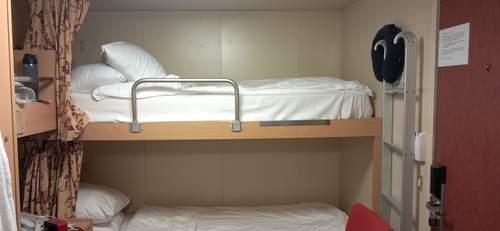
Most crew cabins are equipped with bunk beds. Two crew members typically share a cabin, though some entry-level positions may have three or four roommates depending on the ship.
Each bunk usually includes a privacy curtain, a reading light, and a small shelf or cubby for personal items like phones, books, or glasses. The mattresses are firm and basic, similar to what you’d find in a college dorm.
Storage Solutions
Storage is minimal but functional. Crew members are given a compact closet or wardrobe, usually with a hanging bar and a few shelves. There may also be drawers under the bed for folded clothes and personal belongings.
Wall hooks and overhead shelves help maximize vertical space. Suitcases are often stored under the bed or in a shared luggage area down the hall.
Bathroom Setup
Bathrooms in crew cabins vary by rank and ship. Entry-level crew often share a bathroom with their cabinmates or use communal facilities down the hall. These shared bathrooms include toilet stalls, sinks, and showers.
When a cabin does have a private bathroom, it’s usually a “wet bath” design. This means the shower, toilet, and sink are all in one small, enclosed space. Water from the shower may reach the toilet and sink, so everything gets wet during use.
Senior officers typically have private bathrooms with separate shower stalls and more counter space.
Desk or Work Area
Many crew cabins include a small desk or fold-down surface mounted to the wall. This gives crew members a place to write, use a laptop, or organize paperwork.
A small chair or stool is usually provided. Electrical outlets are limited, so crew members often use power strips to charge multiple devices.
Do Crew Members Share Cabins?
Yes, most entry-level crew members share cabins with one to three roommates. Cabin assignments are typically based on department, gender, and work schedule. For example, two housekeepers working similar shifts might share a cabin, or two entertainers from the same show.
Sharing a cabin helps cruise lines maximize space and reduce costs. It also fosters a sense of community among crew members, many of whom form close friendships during their contracts.
Officers and senior staff usually have single cabins. This provides them with privacy and a quiet space to rest between demanding shifts.
How Crew Cabins Compare to Guest Cabins
Crew cabins are a world apart from guest accommodations. Most crew cabins are interior, meaning they have no windows or portholes. This can make the space feel smaller and more confined, especially during long contracts.
Décor is minimal. Walls are plain, furniture is basic, and there are no luxury touches like plush bedding, artwork, or mini-fridges. The focus is purely on function.
Guest cabins, even interior ones, are designed with comfort and aesthetics in mind. They include features like flatscreen TVs, safes, hair dryers, and daily housekeeping. Crew cabins have none of these amenities.
The size difference is also significant. A standard inside guest cabin might be around 150 to 180 square feet, while a crew cabin could be 80 to 100 square feet or smaller.
Crew-Only Areas Outside the Cabin
While crew cabins are small, crew members have access to several communal spaces that make life onboard more comfortable.
The crew mess is the main dining area. It serves buffet-style meals throughout the day and night to accommodate different shift schedules. The food is simple but filling, and it’s free for all crew members.
The crew bar is a popular spot for socializing after shifts. Drinks are inexpensive, and it’s a place to unwind, play games, or watch movies.
Laundry facilities are available on most ships, though crew members may need to pay a small fee or do their own washing. Some positions, like officers, receive complimentary laundry service.
The crew gym offers basic equipment like treadmills, weights, and exercise bikes. It’s smaller than guest fitness centers but provides a place to stay active.
Recreation rooms may include ping pong tables, video games, or lounge seating. Some ships also have an internet café or designated Wi-Fi areas where crew can connect with family and friends back home.
Rules and Daily Life in Crew Cabins
Life in a crew cabin comes with structure and rules. Cabins are subject to regular inspections to ensure cleanliness and safety standards are met. Crew members are expected to keep their spaces tidy and organized.
Quiet hours are enforced to respect roommates and neighbors who may be sleeping during the day due to night shifts. Noise complaints are taken seriously.
Visitor policies are strict. Crew members are not allowed to bring guests, including other crew members of the opposite gender, into their cabins in most cases. This rule is designed to maintain professionalism and safety.
Storage limits mean crew members must pack light. Overpacking can lead to clutter and conflicts with roommates. Many crew members rotate their wardrobe seasonally or store items in shared lockers.
What Crew Members Say About Cabin Life
Crew members have mixed feelings about their living arrangements. On the positive side, housing is free, which is a significant perk. Many also appreciate the close-knit community that develops when living and working in such proximity.
The cabins are also conveniently located near work areas, which reduces commute time and makes it easier to grab a quick break between shifts.
On the downside, the small space and lack of privacy can be challenging, especially for those used to having their own room. Sharing a cabin with roommates who have different schedules or habits can lead to tension.
The absence of windows is another common complaint. Without natural light, it can be hard to tell what time of day it is, which can disrupt sleep patterns.
How Cabins Differ by Rank
Cabin quality improves with rank and seniority.
Housekeeping and galley staff typically have the most basic cabins. These are small, shared spaces with bunk beds and minimal storage.
Entertainment crew, such as dancers, musicians, and activity staff, often have similar accommodations but may have slightly more flexibility in roommate assignments.
Officers, including department heads and bridge crew, usually have single cabins with private bathrooms. These cabins are larger and may include a small sitting area or desk.
The captain’s quarters are the most luxurious. They often include a separate bedroom, office, private bathroom, and sometimes a balcony. This reflects the captain’s responsibility and the need for a space to conduct meetings and entertain guests.
Frequently Asked Questions (FAQs)
Do cruise ship crew get their own rooms?
Most entry-level crew members share cabins with one to three roommates. Officers and senior staff typically have single cabins with more privacy and space.
Do crew cabins have windows?
Most crew cabins are interior and do not have windows or portholes. Officer cabins and senior staff accommodations may have windows, but this is less common.
Are crew cabins comfortable?
Crew cabins are functional but basic. They’re designed for efficiency, not luxury. Comfort depends on personal expectations and how well roommates get along.
Can crew decorate their cabins?
Crew members can add small personal touches like photos or posters, but space is limited. Most ships have rules about what can be displayed or attached to walls.
Do cruise ship workers pay rent?
No, crew members do not pay rent. Housing is provided free of charge as part of their employment contract.
How long do crew members live in these cabins?
Contracts typically last four to nine months, depending on the position and cruise line. Some crew members sign back-to-back contracts and may live onboard for extended periods.
Life Below Deck: Compact, Communal, and Full of Trade-Offs
Crew cabins on cruise ships are a far cry from the spacious staterooms passengers enjoy. They’re small, shared, and designed purely for function. But for many crew members, the trade-off is worth it. Free housing, the chance to travel the world, and a close-knit community make up for the lack of space and privacy.
Life below deck is structured and communal. It’s not glamorous, but it’s an essential part of what makes cruise ships run smoothly. Understanding what crew cabins are really like offers a glimpse into the dedication and resilience of the people who work behind the scenes.
If you’re considering a career at sea or just curious about life onboard, knowing what to expect can help you decide if this unique lifestyle is right for you.