
Scattered across the American heartland, the Pacific Coast, the Deep South, and the rocky shores of New England, there are dozens of towns and communities that carry the unmistakable imprint of Sweden. Their names tell the story: Lindstrom, Stockholm, Sveadal, Gothenburg, New Sweden. Their Lutheran churches, Dala horse sculptures, Midsummer festivals, and St. Lucia celebrations tell the rest.
Between 1865 and 1915, approximately 1.2 million Swedes emigrated to the United States, fleeing poverty, famine, and a shortage of farmable land in a country whose population had doubled within a century. They settled in the Midwest in enormous numbers, but also found their way to New England, the Pacific Northwest, the Great Plains, and even the Deep South. By 1910, Minnesota had the highest concentration of Swedish Americans of any state, and Chicago was widely considered the second-largest Swedish city in the world after Stockholm itself.
The story of Swedish America begins even earlier than that, with a forgotten colonial experiment on the banks of the Delaware River.
New Sweden: The First Chapter (1638)
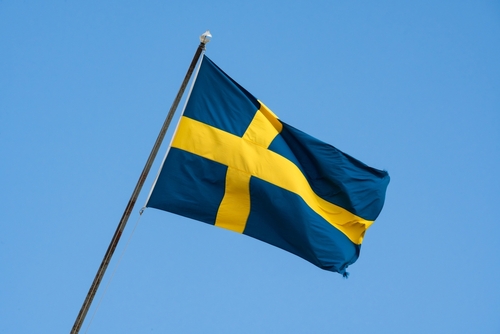
Before the great wave of 19th-century immigration, Sweden had its own colonial venture in North America. In 1638, the New Sweden Company sent two ships into Delaware Bay, founding the settlement of Fort Christina near present-day Wilmington, Delaware. The colony stretched along both banks of the Delaware River into what is now New Jersey, Pennsylvania, and Delaware.
New Sweden lasted just 17 years before being absorbed by the Dutch in 1655, but its legacy endured. The Swedes and Finns who settled there introduced the notched-corner log cabin to America, a building technique that would become the iconic shelter of pioneers pushing westward for the next two centuries. Many Swedish and Finnish settlers remained after the Dutch annexation, and the Swedish language was still being spoken in the region as late as the 1750s.
Today, reminders of New Sweden survive in Fort Christina State Park in Wilmington, the American Swedish Historical Museum in Philadelphia, and the historic Gloria Dei Church in Philadelphia, one of the oldest churches in the United States.
Lindsborg, Kansas: “Little Sweden USA”
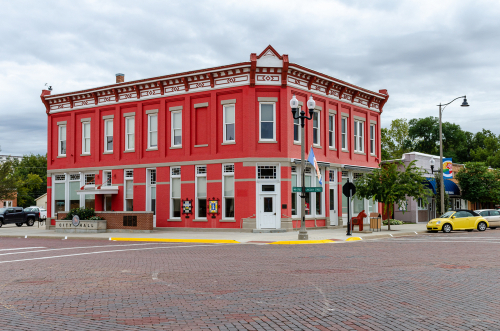
If one town in America best embodies the Swedish immigrant dream, it is Lindsborg. Settled in 1869 by immigrants from the Värmland province of Sweden, led by Pastor Olof Olsson, Lindsborg was founded with a specific vision: a community rich in culture, learning, religion, business, and farming. That vision has survived remarkably intact.
Known today as “Little Sweden USA,” Lindsborg’s downtown is lined with Dala horse sculptures, Swedish gift shops, art galleries, and restaurants serving Swedish meatballs and kanelbullar. The biennial Svensk Hyllningsfest, held every October in odd-numbered years since 1941, is one of the largest Swedish heritage festivals in the country. Bethany College, founded by Swedish Lutheran settlers, still anchors the community and hosts an annual Easter performance of Handel’s Messiah that has drawn visitors from across the country for over a century.
Swedish King Carl XVI Gustaf visited Lindsborg in 1976 during his royal tour of the United States, a testament to how seriously the town takes its Swedish identity. About 30% of today’s population still claims Swedish heritage. The town’s 1904 Swedish Pavilion, originally built for the St. Louis World’s Fair, now stands at the Old Mill Museum and is listed on the National Register of Historic Places.
Lindstrom, Minnesota: Where the Emigrants Arrived
Minnesota drew more Swedish immigrants than any other state. Over a quarter of a million Swedes settled in Minnesota between 1850 and 1930, and Chisago County in the northeast became one of the most concentrated Swedish communities on the continent.
At the heart of that community is Lindstrom, named after early settler Daniel Lindström and founded in 1853. The town is most famous for its connection to Swedish author Vilhelm Moberg, whose classic novel series “The Emigrants” was inspired by the diaries of Erik Norelius, one of Lindstrom’s earliest Swedish settlers. Moberg visited Lindstrom by bicycle in 1948 to research the novels, and statues of his fictional characters Karl-Oskar and Kristina now stand downtown alongside Norelius’s own memorial.
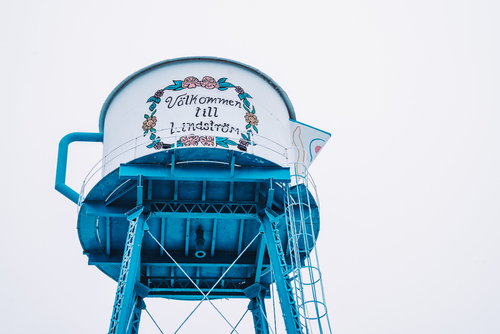
Lindstrom’s most recognizable landmark is its coffee pot water tower, a nod to the Swedish love of coffee culture. The town celebrates Karl Oskar Day annually and maintains strong ties to its sister city in Sweden. The nearby Gammelgården Museum in Scandia, an open-air immigrant heritage museum, preserves the physical remains of early Swedish farm life in Minnesota.
Sveadal, California: A Swedish Retreat by the Bay
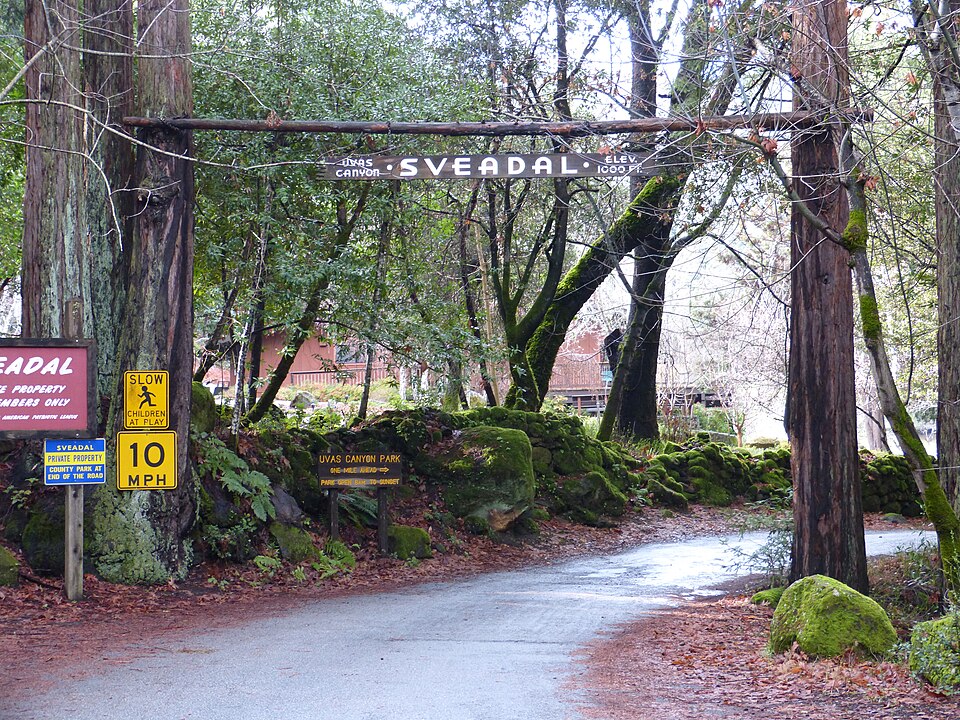

Not all Swedish communities in America took the form of farming towns. Founded in the 1920s by the Swedish American Patriotic League, Sveadal is a summer retreat in the hills south of San Jose, promoting Swedish-American heritage in the Bay Area. It features Swedish-style buildings, woodcarvings by Swedish craftsman Emil Janel, and an annual Midsummer celebration that draws Swedish Americans from across California.
The retreat holds a particular piece of royal history: Crown Prince Gustav VI Adolf of Sweden visited Sveadal in 1927. Today it remains a privately operated Swedish American cultural retreat, one of the more unusual and beloved expressions of Swedish heritage west of the Rockies.
New Sweden, Maine: Children of the Woods
.jpg)
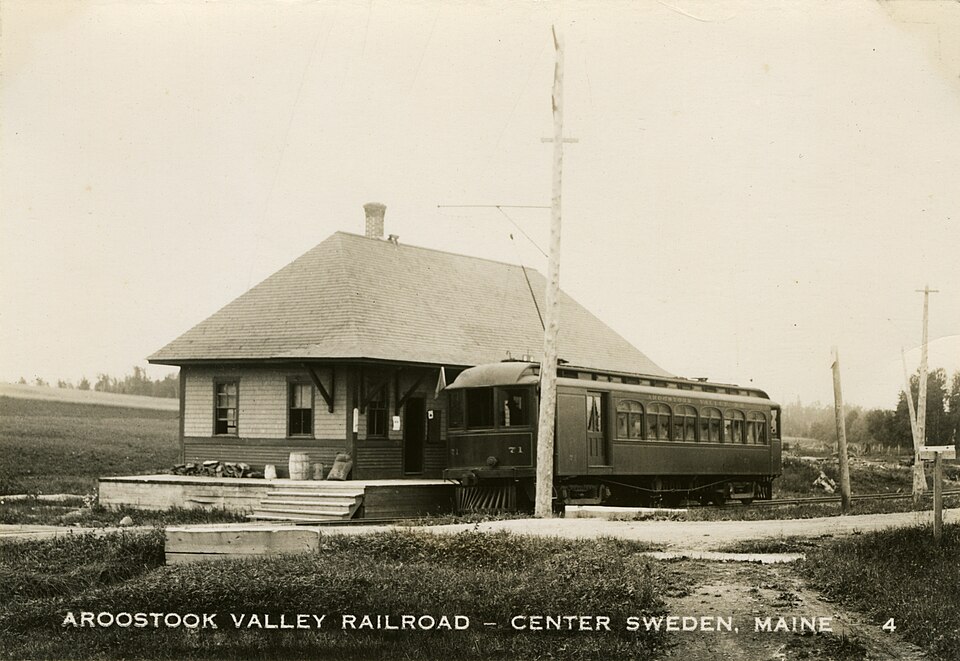
In the far northeast, tucked into the forests of Aroostook County, lies New Sweden, Maine, one of the most isolated Swedish communities in America. Fifty-one Swedish settlers arrived in 1870, led by diplomat W.W. Thomas, who called them “mina barn i skogen,” meaning “my children in the woods.” Upon arrival, the settlers knelt in prayer before setting to work clearing land in the dense Maine forest.
The settlement grew, and nearby communities were named Stockholm, Jemtland, and Westmanland in honor of places back home. The town of New Sweden still celebrates St. Lucia, Midsummer, and Founders Day on July 23 each year, maintaining traditions that have been observed continuously for over 150 years. Gustaf Adolph Lutheran Church, the spiritual center of the community, was still being served by a Swedish-born pastor as recently as the early 1980s.
Bishop Hill, Illinois: The Utopian Colony
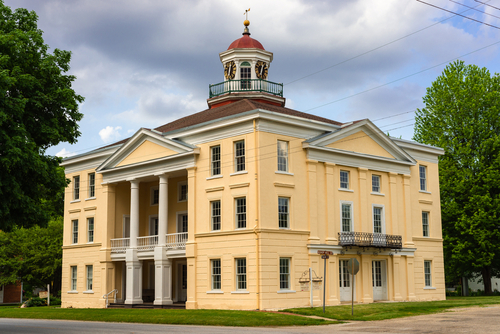
Before the great wave of mass immigration, a smaller and more radical Swedish experiment took root in western Illinois. Bishop Hill was founded in 1846 by Erik Jansson, a Swedish religious reformer who led a group of followers to America seeking freedom from the established Church of Sweden. The colony operated as a communal settlement for over a decade, building an entire town from scratch on the Illinois prairie.
Bishop Hill is now a state historic site and National Historic Landmark, preserving the original 19th-century buildings of the colony. The town flies the Swedish flag alongside the American flag on Main Street and remains one of the most complete examples of a Swedish utopian settlement in the United States.
Stromsburg, Nebraska: The Swedish Capital of Nebraska
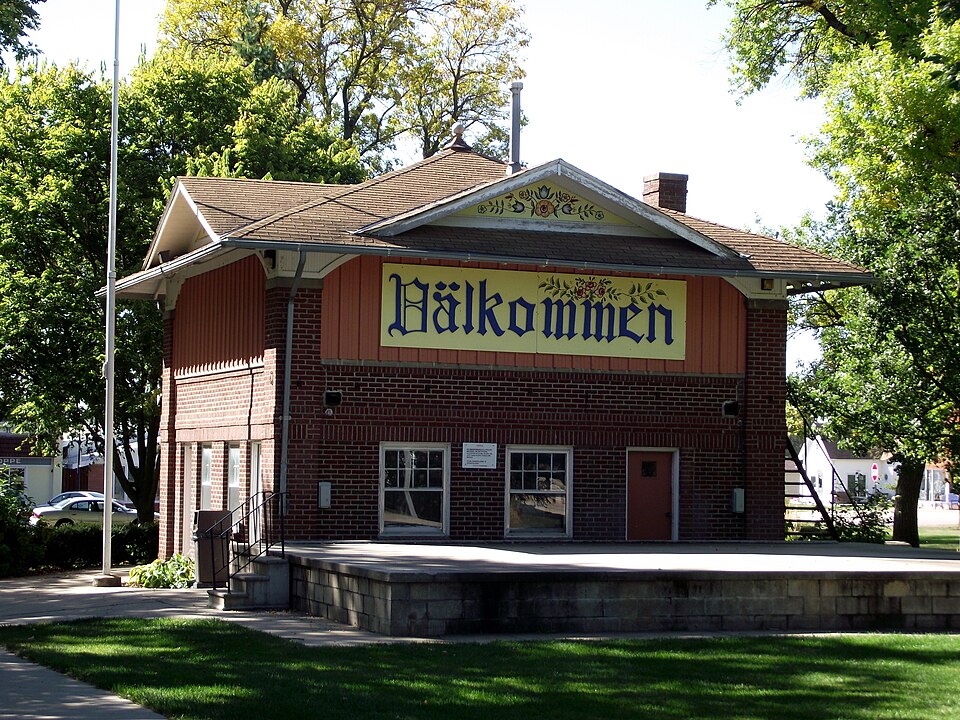

Nebraska attracted significant Swedish settlement in the post-Civil War era, and Stromsburg in Polk County became one of the most thoroughly Swedish communities in the state. After the Civil War, Swedish settlements spread west to Kansas and Nebraska, and by 1870 nearly 75% of all Swedish immigrants in the US were concentrated in Illinois, Minnesota, Kansas, Wisconsin, and Nebraska.
Stromsburg proudly calls itself the “Swedish Capital of Nebraska” and celebrates its heritage through annual Swedish festivals, historic Lutheran churches, and community events that keep the immigrant story alive. Nearby Gothenburg and Oakland also maintain strong Swedish heritage traditions and are worth visiting for those tracing the Swedish trail across the Great Plains.
Stockholm, Wisconsin: A Village on the Mississippi
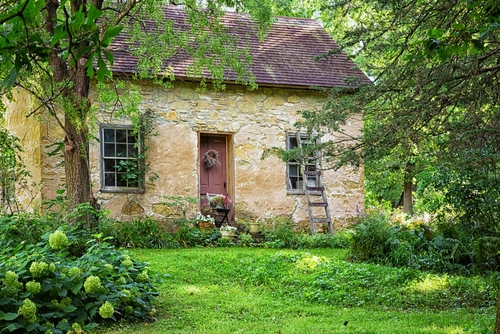
Perched on the bluffs above the Mississippi River, Stockholm, Wisconsin is one of America’s smallest incorporated villages. Founded by Swedish immigrants in the 1850s, it preserves its Swedish name and a quiet, scenic character that draws visitors from across the Midwest. The town sits within the broader Chippewa Valley region that attracted thousands of Scandinavian settlers in the second half of the 19th century.
Today Stockholm is known as much for its art galleries and boutiques as for its Swedish heritage, but the name and the history remain, and the setting along the Great River Road is as beautiful as anything Sweden’s own lake country has to offer.
Silverhill, Alabama: Sweden in the Deep South
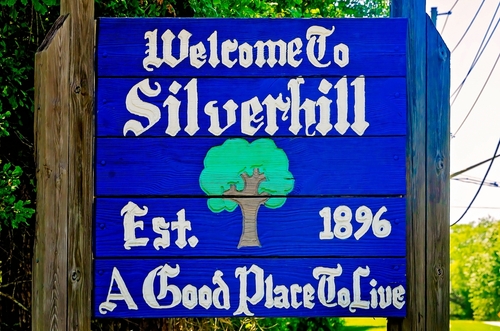
Not all Swedish immigrants headed north or west. A group of Swedish settlers established a community in Baldwin County, Alabama, creating one of the most unexpected outposts of Scandinavian culture in the American South. Silverhill remains one of a handful of towns in the US that retains visible Swedish characteristics, a remarkable survival in a region where Scandinavian heritage is otherwise almost entirely absent.
The town’s Swedish Lutheran church and annual heritage celebrations mark it as a genuine community of Swedish descent, reminding visitors that the immigrant story spread far beyond the Midwest.
What Remains: The Legacy of Swedish America
Researcher Otto R. Landelius identified approximately 800 place names in the United States connected to Sweden or Swedish settlers, with about a quarter of them in Minnesota alone. Towns named Stockholm, Gothenburg, Uppsala, Scandia, and Vasa dot the American map from Maine to California, each one a small monument to the people who carried those names across the Atlantic.
The Swedish American press was once the second-largest foreign-language press in the US, with over 650,000 copies in circulation in 1910, and hundreds of Swedish-language churches, hospitals, schools, and fraternal organizations shaped the communities where Swedes settled. Most of those institutions have since merged into the American mainstream, their names anglicized or their missions broadened.
But in places like Lindsborg, Lindstrom, New Sweden, and Sveadal, the thread back to Sweden remains unbroken, still visible in the festivals, the architecture, the food, and the names painted on the storefronts and water towers of small-town America.
Frequently Asked Questions (FAQs)
Why did so many Swedes emigrate to the United States?
A combination of factors drove Swedish emigration, particularly between the 1860s and 1914. Sweden’s population had roughly doubled between 1750 and 1850, farmable land was increasingly scarce, and famine struck in the late 1860s. The United States offered cheap land through the Homestead Act and a growing industrial economy. At the peak of immigration in the 1880s, an average of 37,000 Swedes arrived in the US each year.
Which US state has the most Swedish heritage?
Minnesota has historically had the largest and most concentrated Swedish American population. In 1910, Swedish Americans made up over 12% of Minnesota’s population. In 2020, Minnesota still had the highest number of Swedish Americans of any state, at over 410,000. The Chisago Lakes area northeast of Minneapolis was one of the earliest and densest Swedish settlements in the country.
What is the oldest Swedish settlement in the US?
The colony of New Sweden, founded in 1638 along the Delaware River, is the earliest Swedish settlement in what is now the United States. Though it only lasted 17 years as a formal colony, many Swedish and Finnish settlers remained, and the influence of New Sweden survived for over a century in the Delaware Valley region.
Where can I visit Swedish heritage sites in the US today?
Some of the best destinations for Swedish heritage tourism include Lindsborg, Kansas (“Little Sweden USA”), Lindstrom, Minnesota (with its Karl-Oskar statues and Gammelgården Museum), Bishop Hill, Illinois (a preserved utopian colony), New Sweden, Maine (annual Midsummer and Lucia celebrations), and the American Swedish Institute in Minneapolis, Minnesota. Sveadal in California holds an annual Midsummer celebration for West Coast visitors.
Did Swedish immigrants influence American culture broadly?
Yes, significantly. Swedish and Finnish immigrants introduced the notched-corner log cabin to North America, which became the standard pioneer dwelling for centuries. Swedish Americans founded hospitals, universities, newspapers, and cultural institutions across the country. Notable Swedish Americans include Charles Lindbergh, the first solo transatlantic aviator, and countless politicians, artists, scientists, and business leaders whose Swedish roots shaped American life.