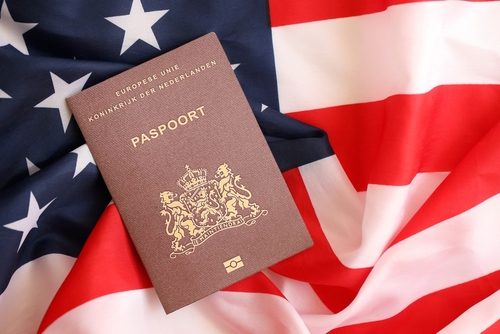

The Netherlands is known around the world for its high quality of life and innovative business environment, making it an attractive place to live and do business. If you’re looking to make a fresh start in the Netherlands from the US, it helps to know the immigration options that are available to you. One of the most accessible pathways for Americans is provided by the Dutch-American Friendship Treaty (DAFT), which allows US citizens to obtain a residence permit to live and work in the Netherlands as self-employed entrepreneurs.
At Remitly, we believe in making it easier to live and work across borders and experience more of the world. That’s why we’ve put together this article on how to navigate the DAFT process. We’ll take a look at eligibility requirements, the documents you’ll need, the application steps, and the key financial considerations. By the end, you’ll be in a much stronger position to decide if this is the right route for you.
What is the Netherlands DAFT visa?
The Dutch-American Friendship Treaty, or DAFT, was signed in 1956. The treaty gives US and Dutch nationals reciprocal rights to carry out trade and business operations in each other’s territories.
For American entrepreneurs, the treaty provides access to a special residence permit that makes it easier to live and work in the Netherlands. The permit, often referred to as the DAFT visa, allows you to live in the Netherlands while carrying out entrepreneurial or freelance activity related to a business you start there.
Once approved, the permit is usually valid for two years and can be renewed. Spouses and minor children can also join the permit holder, and spouses can generally work in the Netherlands.
Who is eligible for the DAFT visa?
The DAFT provides a simplified path for US citizens to get a Dutch residence permit by starting and running their own business in the Netherlands.
To be eligible, you generally must:
- Be a United States citizen
- Have a valid passport
- Establish a business in the Netherlands
- Work as a self-employed entrepreneur/freelancer in the business and be actively involved in its operations
- Invest a minimum of €4,500 (about $5,275 USD) into your Dutch business bank account
- Demonstrate sufficient means to support yourself
- Not pose a risk to Dutch national security
If you meet these criteria, you may be eligible for the permit. The permit is intended for self-employment and doesn’t let you work as an employee for a Dutch employer.
Applying for DAFT: a step-by-step guide
Step 1: Arrive in the Netherlands
US citizens can enter the Netherlands visa-free as tourists for up to 90 days within a 180-day period under Schengen rules. Many applicants begin the DAFT permit application during this period.
Step 2: Register your business
Register a business with the Dutch Chamber of Commerce (KVK). There are different business structures you may choose from, such as BV, which is a private limited company, or an Eenmanszaak (ZZP), which is a sole proprietorship.
A BV offers limited liability protection and potential tax advantages, but setup is more complex, and you may require assistance from a Dutch notary or lawyer. Under current regulations, you generally have up to six months after receiving your permit to complete the registration.
Step 3: Open a business bank account
You must deposit a minimum of €4,500 into a business bank account and show it in your company’s opening balance sheet. The money must stay in the account as proof of investment. You can use traditional banks like ING or ABN AMRO, or certain digital banks, such as Bunq.
Step 4: Collect your documents
Core documents include your completed application form, KVK registration, proof of your investment, and an opening balance sheet. Documents in any language other than Dutch, English, French, or German must be translated into Dutch.
Step 5: Apply
Submit your application to the Immigration and Naturalisation Service (IND) within 90 days of your arrival in the Netherlands. You’ll receive a confirmation letter once they accept your application. Shortly after, you’ll need to book an appointment with the IND to provide your biometric data (photos and fingerprints). They’ll give you a temporary residence endorsement sticker in your passport, which lets you live and work in the Netherlands while your application is being processed.
Step 6: Pay the fee
There is a €405 ($475 USD) fee to apply for the permit. Separate fees apply for spouses and children. The IND will confirm the exact amount and how to pay.
Step 7: Get your BSN number
Register at your local municipality (gemeente) to get a BSN (citizen service number). You’ll need this for official matters like banking and taxes.
Step 8: Wait for your decision
The IMD aims to make a decision within 90 days, but if they determine that your application is lacking important information, they can extend the decision period. If that happens, they’ll send a message informing you of the next steps.
Step 9: Collect your residence permit
If your application is successful, your permit will be available to collect at the IND service center you chose when you completed your application form. You’ll need to make an appointment to collect it.
If your application is unsuccessful, you can formally object to the decision and appeal to have your application reconsidered.

Required documents checklist
Before you submit your application, make sure you have the DAFT visa requirements covered. Having a complete file showing everything the IND wants to see improves the chances of your application being approved the first time.
Here’s a list of key documents to prepare:
- A valid US passport. Include copies of the relevant pages.
- Your completed application form
- Proof of your business registration with KVK. You’ll be given a business number to enter on your application form.
- An opening balance sheet for your business, including the required €4,500 investment. This must be verified and signed by a Dutch accountant.
- A bank statement showing the business account and investment
- An apostilled birth certificate, legalized with an apostille stamp in the US before you move
- Proof of health insurance, which is generally required when you move to the Netherlands
- Other supporting documents. Depending on your situation, you may also need other documents, such as an apostilled marriage certificate if your spouse is moving with you.
Sometimes, the IND will ask to see a business plan to clarify how your business will operate. Although this isn’t typically required, it’s a good idea to keep it handy in case you’re asked for it.

Financial and business considerations
Minimum investment
One of the most important parts of making a successful application for a DAFT visa is proving a minimum investment of €4,500 in your business. This money isn’t a fee; it counts as capital for your company.
The funds must be deposited in a Dutch business bank account and officially documented. You can use the money to support your business, but it’s typically expected to stay in the account for the validity of your permit.
Tax
Once you have your visa, you’ll be considered a Dutch tax resident and will be liable for Dutch income tax and, where applicable, VAT. Different tax situations apply according to the kind of business you registered.
A private limited company (BV) is a separate legal entity and can offer limited liability protection and flexibility around reinvesting products. However, it comes with higher setup costs and more complex tax filings. Tax benefits such as the 30% ruling aren’t automatically available to DAFT entrepreneurs and typically only apply to qualifying employees recruited from abroad under specific conditions.
A sole proprietorship (eenmanszaak or ZZP) is much easier to set up, making it common among freelancers and small business owners.
Dutch tax rules are complex, and because US citizens also remain subject to US tax reporting requirements, consulting a tax professional experienced in the laws of both countries is recommended.
Health insurance
All residents of the Netherlands are legally required to have basic Dutch health insurance. This insurance covers essential medical care and needs to be purchased from a Dutch insurance provider within four months of registering your address with your local municipality. Costs vary, but you could expect to pay around €150 ($175 USD) per month.
Many expats also choose to purchase supplementary insurance to cover services like dental care, physical therapy, and alternative medicine.
Meeting the DAFT Visa requirements
The special relationship between the Netherlands and the United States has created a practical pathway for American entrepreneurs looking to live and work in the Netherlands. Although not everyone meets the requirements, the application process for those who do is generally more straightforward than other self-employment routes.
By gathering your documents and following the steps outlined above, you could put yourself in a strong position for a successful application. For many Americans, DAFT offers a realistic way to build a business and start a new chapter in the Netherlands.
FAQs
How long does the DAFT visa application process take?
The Immigration and Naturalization Service (IND) aims to make a decision within 90 days. However, this may vary depending on the complexity of your case and whether extra information is needed.
Can I bring my family with me on the DAFT visa?
Yes. Spouses and dependent children can apply for family reunification and live in the Netherlands with you. Spouses are generally permitted to work in the Netherlands.
What happens if my business fails?
If your business is no longer active or no longer meets DAFT requirements, your residence permit may not be renewed when it expires. However, you may be able to switch to another residence permit, depending on your job situation.
How long is the DAFT visa valid for, and can I renew it?
The DAFT residence permit is initially valid for two years. If you continue to meet the requirements, you can apply for renewal. After five years in the Netherlands, you may become eligible to apply for permanent residence if you meet all the conditions.
Do I need to speak Dutch to get the DAFT visa?
No. There are no Dutch language requirements to apply for or renew a DAFT residence permit. However, if you later apply for permanent residence, you’ll need to demonstrate Dutch language skills at a B1 level.