

Packing up your life and moving to another country is one of the biggest decisions you’ll ever make. It’s exciting—but it also reshapes your financial life in ways many people don’t fully anticipate until the move is underway.
Your income may change. Your expenses likely will. A new currency affects how far your money goes. Healthcare, housing, and insurance systems may work differently. Without a clear financial plan, these changes can become difficult to manage.
The good news is that most of these challenges can be addressed with thoughtful preparation. This guide outlines key financial considerations before making a permanent move abroad—so you can focus on building your new life with greater confidence.
Know What Life Actually Costs in Your New Country

Before anything else, research your expected monthly expenses.
Cost of living varies widely between countries and even between cities in the same country. A comfortable lifestyle in Lisbon may look financially different from one in Zurich. Rural areas may cost less than city centers, even within the same region.
Build a monthly estimate that includes:
- Housing – rent or mortgage payments
- Utilities – electricity, water, internet, gas
- Groceries – local food prices and any imported goods
- Transportation – public transit, car ownership, fuel
- Healthcare – premiums, co-pays, out-of-pocket costs
- Insurance – home, health, auto, life
- Schooling – if applicable
- Entertainment and dining
- Travel
Online cost-of-living tools can provide a starting point, but firsthand accounts from residents often add helpful context. Neighborhood-specific research can also improve accuracy.
Once you have your estimates, create a monthly spreadsheet. It doesn’t need to be complex—just realistic.
Create a Relocation Budget for One-Time Costs

Monthly living costs are only part of the picture. A permanent move typically involves upfront expenses that are easy to underestimate.
Common one-time costs include:
- Flights
- Shipping or moving services
- Temporary housing
- Security deposits
- Furniture and household replacements
- Vehicle purchase or import
- Storage fees
After estimating these expenses, consider adding an additional cushion (for example, 15–20%) to account for variables or unexpected items.
Plan Your Income Before You Land

Relocating without a clear income plan can place pressure on savings.
Ask yourself:
- Will you continue working remotely?
- Are you seeking local employment?
- Are you starting a business?
- Will you rely on savings or investments?
Each path has different timelines and tax considerations. Some roles may require specific visas. Local employment may involve onboarding timelines before your first paycheck arrives. Business income may take time to stabilize.
Whenever possible, clarify your income plan and expected start dates before relocating. Build savings to cover potential gaps.
Build an Emergency Fund for the Transition

Relocation can come with unplanned expenses—housing adjustments, medical needs, travel, or work-related equipment.
Before moving, consider setting aside three to six months of estimated living expenses as an emergency fund. Keep this separate from your relocation budget.
You may also want to allocate funds for:
- Unexpected travel
- Repairs or replacements
- Healthcare expenses before coverage begins
Having a financial cushion can make transitions easier to manage.
Understand Currency and International Transfers

If your income and expenses are in different currencies, exchange rates will affect your overall budget.
Some considerations:
- Compare transfer options – Exchange rates and fees can vary between providers. Reviewing options may help you understand total costs.
- Transfer timing – Some people choose to move funds in stages to manage timing risk.
- Monitor exchange rate trends – If timing is flexible, observing general rate movements may inform your decision-making.
- Keep records – Some countries require reporting of foreign income or transfers.
Currency management is an important part of long-term international financial planning.
Approach Housing With Patience

Housing is often a significant expense when relocating.
Committing to long-term housing before becoming familiar with the area can sometimes limit flexibility. You might consider:
- Renting short-term initially
- Exploring multiple neighborhoods
- Sharing accommodation temporarily
Taking time to understand the local market may help you make more informed decisions.
Budget Carefully for Healthcare and Insurance

Healthcare systems differ widely. Public coverage may require residency status or involve waiting periods.
Factor in:
- Monthly insurance premiums
- Out-of-pocket costs
- Transitional travel insurance
- Differences between public and private options
Planning for healthcare expenses in advance can reduce financial uncertainty.
Maintain Financial Connections in Both Countries
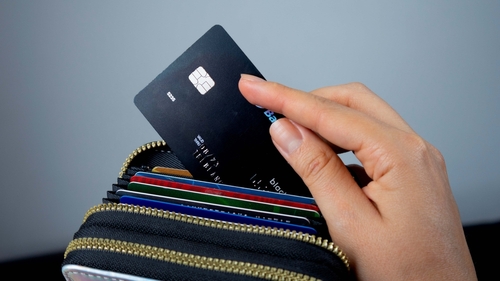
During the transition, access to existing financial accounts can provide flexibility.
Where appropriate:
- Keep bank accounts open and accessible
- Maintain remote access to tax and investment accounts
- Retain digital copies of important documents
- Notify financial institutions of your move
Once settled, you can reassess how to structure your finances long term.
Adjust Your Lifestyle Expectations Gradually

Moving abroad does not automatically lower your cost of living. The impact depends on your destination, lifestyle choices, and spending patterns.
Imported goods, private schooling, international travel, and housing choices can influence your overall expenses.
For the first several months, track your spending carefully. Let actual data guide adjustments rather than assumptions.
Common Financial Mistakes to Avoid
- Moving without a detailed budget
- Underestimating one-time relocation expenses
- Relocating without an emergency fund
- Committing to long-term housing too quickly
- Overlooking currency exchange costs
- Assuming income will begin immediately
Frequently Asked Questions (FAQs)
How much money should I save before moving abroad permanently?
There isn’t a single answer. Many people aim to cover one-time relocation costs plus several months of living expenses to allow time for adjustment.
Do I need to open a bank account before I arrive?
Requirements vary by country. Research local regulations and ensure your current accounts are accessible internationally.
Will I have to pay taxes in both countries?
Tax obligations depend on residency status, citizenship, and tax treaties. Consulting a professional with international experience can help clarify your situation.
When should I start financial planning?
Beginning 12 months before your target move date can provide time to research, save, and prepare documentation.
Is it better to rent or buy initially?
Many people choose to rent first to learn the local market before considering a property purchase.
Start Your New Chapter on Solid Financial Ground
Permanent relocation is a major life transition. Preparation can make the process more manageable.
Developing a thoughtful budget, building savings, clarifying income plans, and understanding currency considerations can help reduce financial stress.
Take the process step by step. Begin with cost research, create a relocation budget, and outline your income strategy before making final arrangements. Careful planning provides a stronger foundation for your move abroad.