
China is an exciting and dynamic country known as much for its economic growth and innovation as it is for its Great Wall and delicious cuisine. More and more people are looking to spend time in China, to work, study, or just explore and experience its unique culture. But does this make sense financially? What is the cost of living in China in 2026?
This comprehensive Remitly guide dives into all the big expenses from rent and food to transport and healthcare. There is no single answer, because China is a large and diverse country, so the cost of living will depend on where you are and the choices you make, but this article should give you everything you need to estimate your costs and draw up a financial plan that works for you.
Spoiler alert! While major cities like Beijing and Shanghai are expensive by Chinese standards, the cost of living is about half of what you would expect to pay in New York City. There are plenty of affordable options if you know where to look.
Understanding China’s city tiers
As China is such a large and diverse country, it can be challenging to generalize the cost of living. To help tourists and investors understand what to expect, many economists and businesses divide China’s cities into “tiers.” These tier classifications aren’t official but typically reflect GDP, infrastructure, and population size. As a result, you may find cities across different tiers in different sources. For this article, we’ve focused on cities that consistently appear in the same tiers.
Let’s take a look at China’s top three tiers of cities, ranked based on their cost of living and rent indices compared to New York City, and estimates of the total monthly cost of living.
Tier one
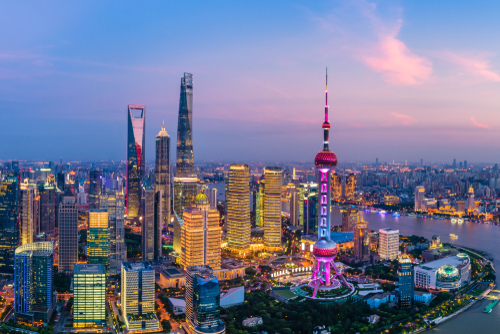
China’s largest tier one cities are Beijing and Shanghai, both international hubs with large foreign populations and lots of international businesses. These have the highest cost of living in China, but are still about half of what you’d expect to pay in the United States.
| City | Cost of living index | Rent index | Cost of living |
| Shanghai | 55.94 | 41.38 | $1,128 USD |
| Beijing | 55.19 | 45.42 | $1,029 USD |
| Guangzhou | 50.23 | 28.74 | $758 USD |
| Shenzhen | 56.05 | 40.93 | $878 USD |
Tier two
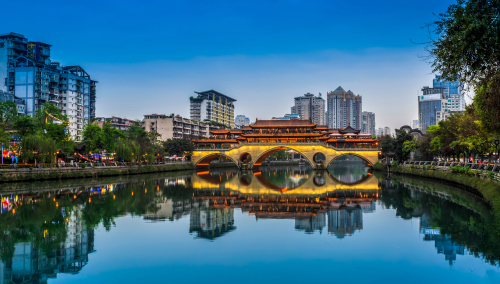
Tier two cities include China’s big regional hubs, often with international profiles that attract significant tourism, such as Chengdu. They have affluent populations and booming economies, but less international business investment. Rent in these cities tends to be lower, which makes the biggest difference when it comes to the cost of living.
| City | Cost of living index | Rent index | Estimated monthly cost of living |
| Hangzhou | 50.68 | 28.95 | $826 USD |
| Chengdu | 46.17 | 18.71 | $635 USD |
Tier three
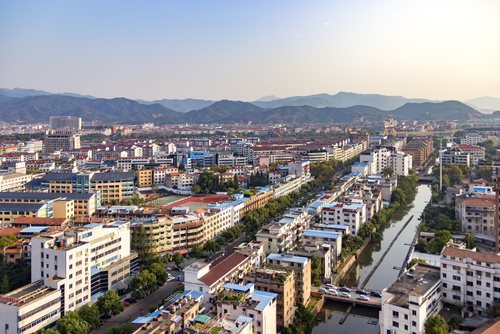
Tier three cities are still among China’s largest. They are highly developed economically, but have more local profiles. They include cities like Lanzhou, the largest city in Gansu and a major transport hub with a population of over four million, and Xining, the largest city on the Tibetan Plateau with a population of almost 2.5 million. In tier three cities, rent and daily expenses are lower, so they are around half the cost of tier one cities.
| City | Cost of living index | Rent index | Estimated monthly cost of living |
| Lanzhou | 43.43 | 12.66 | $619 USD |
| Xining | 43.21 | 10.31 | $450 USD |
Smaller cities, towns, and villages

Of course, China also has many smaller cities, towns, and rural areas, where the cost of living is even lower. However, that comes with a lower standard of living as it can be challenging to access certain services or purchase specific items, especially imported goods.
Housing: your biggest monthly expense
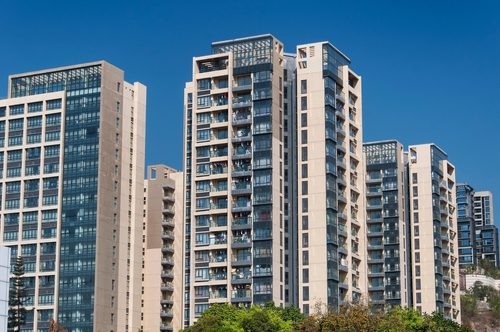
When it comes to the cost of living, rent is usually your biggest expense. How much it will cost you varies wildly based on where you choose to live—for example, central Beijing versus a Chengdu suburb—and the type of accommodation you choose—a modest apartment versus a luxury flat.
Below is a summary of average monthly rent for some of China’s most popular cities, but if you choose more luxurious housing, it can cost a lot more. A premium apartment in Beijing or Shanghai can cost between $2,500 and $3,000 USD per month.
| City | Average monthly rent for a one-bedroom apartment in the city center |
| Shanghai | $930 USD |
| Beijing | $920 USD |
| Shenzhen | $850 USD |
| Guangzhou | $780 USD |
| Chengdu | $570 USD |
In China, utilities and housing services are typically charged separately and aren’t included in the total cost of your rent. Below are approximate costs for monthly utilities.
| Type of utility | Average monthly cost |
| Electricity | $15–$20 USD |
| Heating | $15–$20 USD |
| Water | $7–$11 USD |
| Garbage | $7–$11 USD |
| Internet | $15–$23 USD |
Finding accommodation in China can be an expensive process, as most agents require a two-month rental deposit, refundable at the end of your contract, and the first month’s rent in advance. Agent fees are also usually around half the first month’s rent. That means you need the equivalent of about four months’ rent just to move in.
Before signing the lease, you might also be asked to pay a deposit to secure the property and take it off the market. It’s worth noting that most Chinese apartments come furnished, which will include things such as a bed and a sofa, as well as white goods and appliances.
Food and dining: affordable and delicious
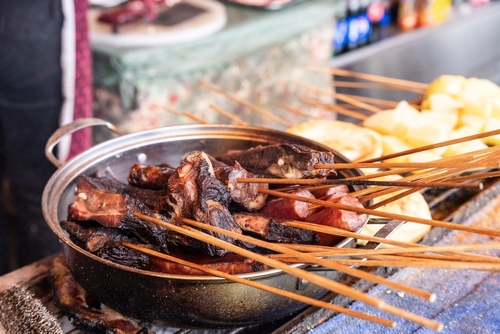
The cuisine is one of the main perks of living in China. It is both affordable and delicious—spicy pork, Peking duck, dim sum, need we go on? Plus, if you aren’t keen on cooking, China has a culture of eating out at inexpensive corner restaurants where you can get a meal for a fraction of what you might expect to pay in the US or Europe.
Eating out at one of these local restaurants might cost $3.50 for a meal. If you prefer to go to a mid-range restaurant, a three-course meal might cost around $22 USD. You can grab street food snacks, such as a large steamed dumpling, for less than a dollar a pop.
If you prefer to cook at home, groceries are affordable. Rice and fresh produce are highly affordable. A pound of rice might cost around $0.50 USD, and a pound of fresh vegetables is about the same. Meat prices tend to fluctuate depending on the market, but chicken and pork are usually the cheapest. You can get a dozen eggs for $–$2 USD, and a pound of chicken will cost around $1.50 USD.
Anything that isn’t typically part of the Chinese diet will also come with a higher cost, as they’ll typically be imported. For example, cheese, coffee, and foreign brands will be more expensive.
Alcohol tends to be on the pricier side. While you can grab a local beer for less than $1 USD, imported beers can cost $2 USD, and imported wine starts from about $10 USD.
How much you can expect to spend on food really depends on your eating preferences. If you like to cook and eat at affordable local eateries, you might expect to pay $100-150 USD per month. If you prefer to eat in fancier places and pay for luxury items like imported beers, you can expect to pay $200-$300 USD per month.
Transportation: getting around for less
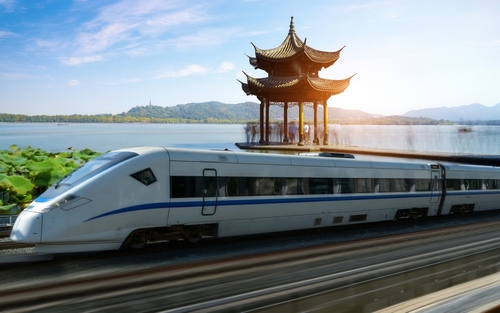
If you live in one of China’s bigger cities, you’ll likely benefit from a good public transport that combines subways, buses, and sometimes other options such as trams and ferries. China offers a T-Union Card, which can be used on most public transport in most cities, or you can use the transport function in Alipay. Regular users might expect to pay $30 per month.
If you need to grab an Uber, DiDi is the main service. Prices vary based on when and where you are traveling, but you can expect a 20-minute ride to cost $4-$6 USD. This is a much more affordable option than owning a car, especially if you live in the city, where parking is a major challenge and expense. Plus, government policies to reduce traffic and pollution mean that license plates are often only given out by lottery or auction, so while you might be able to buy an affordable car, being able to drive it is another matter.
Of course, you could grab a bicycle or motorbike, if you dare! There are massive numbers of these on the streets, and accidents are very common, especially if you don’t understand the local road etiquette.
If you are looking to travel around China for a weekend away or to explore, transport is easily accessible and affordable. There are high-speed trains between many popular locations. A non-stop train from Beijing to Shanghai only takes about four hours, and a standard ticket costs around $90 USD. There are also lots of internal flights from airlines such as Air China and Hainan Airlines, and the two to three-hour flight might cost $70-$200 USD.
Healthcare and insurance
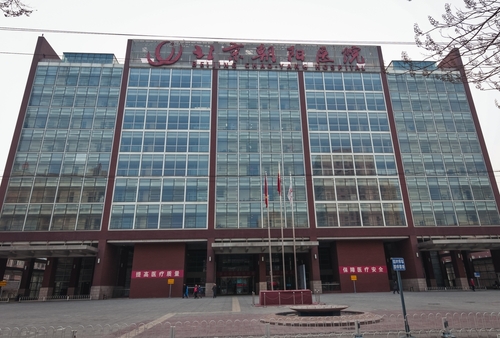
China has subsidised public healthcare for its citizens, but it only provides low-cost basic care, and you have to pay out of pocket for certain services. Plus, the quality of care can vary greatly depending on whether you find yourself in a major hospital with advanced technology or an underfunded local hospital. Not to mention waiting times for appointments can be long.
Most foreigners prefer to use China’s network of private hospitals and international clinics because they tend to offer Western-standard healthcare and have more English-speaking staff.
However, treatment can cost as much as ten times more than when using public healthcare. While a general consultation might cost $10-$40 USD in the public system, it can cost $150-$400 USD privately. Similarly, a one-night stay at the hospital might cost $40-$130 USD publicly, and $1,000-$4,000 privately. Considering the potential costs of major surgeries and medications on top of this, good health insurance is essential for foreigners in China.
The cost of health insurance for China varies greatly based on your age, existing health conditions, the benefits and networks you choose, and what level of deductible you agree to. You should expect to pay at least $1,000 USD per year, with the average around $5,000 USD. Comprehensive premium plans can easily cost more than $10,000 USD per year.
Education
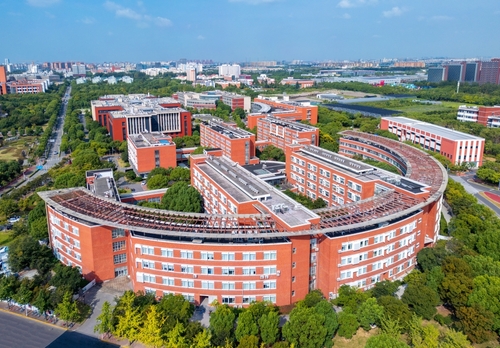
It can be difficult getting to grips with another education system and China’s system is no different. China’s educational landscape is very diverse, offering everything from free public schools to expensive international schools.
Most expats choose international schools to keep up with their overseas curriculum. Mostly located in Beijing and Shanghai, these schools cost an average of $35,000 USD per year, with lower school grades costing less, and higher grades costing more. There are also usually significant initial expenses, such as enrolment fees, uniforms, and books. For these expenses, you can expect to pay at least $5,000 USD just to get started.
Tier two cities often also have international and bilingual schools, which tend to be less expensive, but aren’t of the same prestige or global standard.
Ready for your next chapter?
If you are considering traveling or moving to China in 2026, rest assured that the cost of living is much lower than in the United States. How much you can expect it to cost depends on where you choose to live and lifestyle factors. If you prefer a luxury apartment in a tier one city like Beijing or Shanghai, you can expect rent, schools, and fancy restaurants to be on the expensive side. If you choose a suburban apartment in a tier two city and embrace the local lifestyle, you can expect to live very well on little.
If you plan ahead and know what to expect, living in China is both an exciting and affordable adventure for 2026.

FAQs
Is China expensive to live in compared to the US or UK?
No, even China’s most expensive cities offer a more affordable cost of living than the UK. The UK, in general—and especially popular cities such as London, Manchester, and Oxford—are almost as expensive as the United States, while even China’s biggest cities are about 50% cheaper than the US. Of course, salaries in China are also significantly lower.
How much money do I need to live comfortably in China in 2026?
How much you need to live comfortably in China depends on where you want to live and the kind of lifestyle you want. A single person can live well in tier one cities like Shanghai on about $1,500 USD per month, but will need more if they want to take advantage of travel opportunities or international shopping. If you choose to live in a tier two city, a single person can live comfortably on less than $1,000 USD per month.
Are salaries in China keeping up with the cost of living?
In general, wages in China have been growing faster than the cost of living. However, in some of the bigger cities, rents are increasing quickly, which can tighten budgets. Salaries for expats in jobs such as teaching tend to be high, allowing for a comfortable lifestyle.
What is the best way to send money to China?
Strict government controls and regulations around who can send money abroad and how much can make it difficult to send money to China. Remitly is an effective way to send money to China, with options to receive payments through services such as Alipay or WeChat.
*Currency conversions correct as of December 2025.