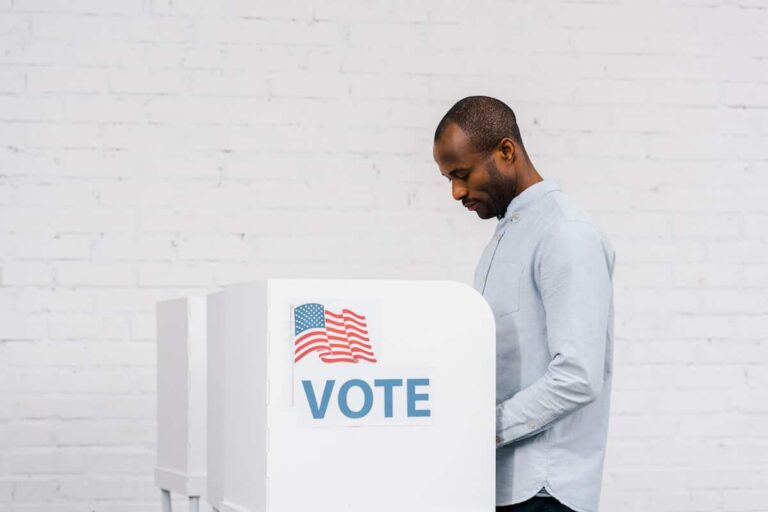

If you’re a green card holder living in the United States, you may have wondered: Can I vote if I have a green card? It’s a common and important question. Permanent residents live, work, and pay taxes in the US, and many feel deeply connected to their communities. However, in most cases, the answer is no. Green card holders can’t vote in federal elections, and US citizenship is required to vote in federal, state, and most local elections.
It’s understandable that many immigrants and permanent residents feel unsure about their rights when it comes to civic participation. Questions about voter registration, eligibility, and possible legal consequences often come up, especially since rules can vary slightly between local jurisdictions. Knowing exactly what’s allowed is essential, not only to stay informed but also to protect your immigration status and avoid serious penalties.
This Remitly guide explains the key facts about voting with a green card. You’ll learn about the rules and restrictions, the potential risks of voting as a non-citizen, and how to gain voting rights through US citizenship. With the right information, you can make informed choices and prepare for the moment when you can fully take part in American democracy.
Why can’t green card holders vote in federal elections?
In the United States, only US citizens can vote in federal elections. The US Constitution and federal law make this clear: national leadership and policies are decided by those who hold full membership in the nation. This rule reflects one of the most basic principles of American democracy: that the people who shape the country’s future through their votes are those who have taken on the full rights and responsibilities of citizenship.
For green card holders, this distinction can sometimes be confusing. Permanent residents live, work, and pay taxes in the US, often for many years. Many contribute deeply to their communities. However, until they complete the naturalization process, they’re not eligible to vote in federal elections. The US government considers voting one of the core privileges of citizenship, alongside responsibilities like jury duty.
Legal consequences for non-citizen voting
Federal law also reinforces this rule. The Illegal Immigration Reform and Immigrant Responsibility Act of 1996 makes it a federal offense for non-citizens to vote in federal elections. Even if a person votes by mistake, it can lead to:
- Fines or criminal penalties
- Loss of immigration status
- Long-term issues with future applications
These rules exist to protect fair elections and to ensure that national decisions are determined by citizens.
For permanent residents, the rules may feel restrictive, but they also offer clarity. Learning how voting laws work helps you avoid accidental violations and focus on preparing for citizenship, so when you are eligible to vote, you’re ready to make your voice count.
Are there any exceptions for local elections?
Federal and state elections in the United States are strictly limited to US citizens, but there are a few rare local exceptions. In some municipalities, non-citizens—including green card holders—may be allowed to vote in local elections, such as school board or city council races. These exceptions are uncommon and only apply at the community level.
A few examples include:
- Maryland: Several towns, including Takoma Park and Hyattsville, allow non-citizens to vote in their municipal elections.
- Vermont: Montpelier and Winooski have extended limited voting rights to permanent residents for local issues.
These exceptions apply only to local contests, not statewide or federal elections. Eligibility rules can vary widely from one city to another, and they may change over time as local governments review their policies.
Check your local rules
If you live in one of these areas, or think you might, check the most recent information from your city clerk’s office, county election authority, or the official municipal website. Registering to vote when you’re not eligible, even by mistake, can lead to serious immigration consequences.
When in doubt, verify your eligibility before taking any action. If you’re still uncertain, consider speaking with an immigration attorney for guidance. Understanding the rules protects both your status and your future path to citizenship.
The path to voting: becoming a US citizen
If you’re a green card holder hoping to vote one day, the most secure path forward is naturalization, the process of becoming a US citizen. Citizenship is what gives you full voting rights in federal, state, and local elections. It’s the only guaranteed, legal, and lasting way for permanent residents to gain a voice in the nation’s future.
Meeting age and residency requirements
To qualify for US citizenship, applicants need to meet several key requirements:
- Be at least 18 years old. Applicants must be legal adults to take on the full rights and responsibilities of citizenship.
- Hold a green card for a set period (usually three or five years). Most applicants must be permanent residents for at least five years. Those married to a US citizen can apply after three years. During this time, you need to maintain lawful status and avoid actions that could jeopardize your residency.
- Show continuous residence and physical presence in the US. This means living primarily in the country without long or frequent trips abroad, demonstrating an ongoing commitment to life in the US.
- Demonstrate good moral character. Applicants need to show respect for US laws, pay taxes, and avoid serious criminal issues. Fulfilling obligations such as child support is also essential.
- Pass the civics and English tests. These exams assess your ability to read, write, and speak basic English and your understanding of American history and government. Preparing for them is both a requirement and an opportunity to learn about the country you plan to call your home.
While the naturalization process takes time, it’s a meaningful milestone. It grants the right to vote, strengthens your sense of belonging, and provides access to the full protections and privileges of citizenship. For many immigrants, earning the right to vote is a symbol of their hard work and a way to honor their journey and contributions to the US.
Some applicants, such as members of the US military and their families, may even qualify for expedited citizenship, making the path to full civic participation even faster.
Once you take the Oath of Allegiance, you can register to vote and participate in every election, from local city councils to presidential races. It’s a moment that marks both the end of a long journey and the beginning of a new chapter as a full participant in American democracy.
Protect your status and plan your path
Green card holders can’t vote in federal or state elections, and doing so can lead to serious immigration consequences. Federal law reserves voting rights for US citizens only, and even an unintentional violation can create long-term legal problems. Knowing and respecting these rules helps protect your path toward citizenship and ensures that your efforts to build a stable life in the United States remain secure.
While green card holders contribute greatly to American society, the ability to vote is one of the key distinctions between permanent residency and full citizenship. Recognizing this difference is an important part of preparing for the next step in your journey, allowing you to focus on achieving the legal and civic milestones that come with becoming a citizen.
If your goal is to participate fully in American democracy, the best way forward is through naturalization. Becoming a US citizen not only grants you the right to vote but also offers greater security, opportunity, and a deeper connection to your community. Understanding the rules is the first step, preparing for citizenship is the next, and it opens the door to becoming an active participant in American civic life.
FAQs
What if I registered to vote by mistake?
If you believe you’ve registered to vote unintentionally, act fast. Contact an immigration attorney for personalized advice, and inform your local election office to correct your registration status. Taking proactive steps shows good faith and may help protect your immigration status.
Can I vote in my home country’s elections?
In many cases, yes. Many countries allow citizens living abroad to vote, often through their embassy or consulate. Participating in foreign elections typically does not affect your US permanent residency, but it’s still a good idea to verify the rules with your home country’s election authorities.
Does serving in the US military give me the right to vote?
Not automatically. Military service can expedite your path to US citizenship, but it does not grant voting rights on its own. You still have to complete the naturalization process before you can vote in US elections.