
Eating moldy food on purpose often sounds surprising. Most of us are trained to throw away anything fuzzy sitting in the back of the refrigerator. Food spoilage is a valid concern for anyone managing a kitchen.
However, some culinary traditions celebrate the careful use of controlled mold. Moldy tofu is a perfect example. This ingredient involves intentional fermentation rather than accidental spoilage. It is a highly respected and widely used component in Chinese cooking, valued for its ability to transform simple meals.
This guide will explain exactly what this unique ingredient is and why it holds such a special place in Asian cuisine. You will learn about its rich flavor profile, the safe methods used to produce it, and how you can easily incorporate it into your own meals. We promise to provide clear, reassuring facts so you can explore this fermented delicacy with total confidence.
Who This Guide Is For
This guide is designed for curious food explorers and everyday home cooks wanting to expand their culinary repertoire. You might have noticed jars of fermented tofu on the shelves of your local Asian market. Perhaps you spotted it on a restaurant menu and felt a bit hesitant to order it.
If you are wondering whether this ingredient is safe to eat or simply want to know how to use it, this post will give you the straightforward answers you need.
What Is Moldy Tofu?
Moldy tofu is fresh tofu that has been intentionally inoculated with specific mold cultures and left to ferment. The result is a highly flavorful, preserved food product. You will often see it sold under several different names, including fermented tofu, preserved tofu, furu, sufu, or hairy tofu.
The key difference between this delicacy and ruined food lies in the production process. Moldy tofu undergoes a highly controlled fermentation process. Expert producers introduce safe, beneficial mold spores to the tofu. This is completely different from the unpredictable and harmful bacteria that cause everyday food spoilage.
Is Moldy Tofu Safe to Eat?
Yes, commercially produced moldy tofu is entirely safe to eat. The mold introduced during the fermentation process is intentional. Producers use specific, food-safe strains of mold, typically from the Actinomucor or Mucor families. These safe molds break down the proteins in the tofu, creating a creamy texture and developing deep, savory flavors.
You can compare this process to the creation of other mold-based foods. Blue cheese, Brie, and tempeh all rely on safe mold cultures for their distinct tastes and textures.
Accidental spoilage at home is a completely different matter. If a block of regular tofu in your fridge grows mold, you should discard it immediately. That type of wild mold is unsafe. For guaranteed safety and peace of mind, we highly recommend purchasing store-bought fermented tofu produced in regulated facilities.
How Moldy Tofu Is Made
The production of fermented tofu requires precision and care. Understanding the process can help you appreciate this complex ingredient. Here is a step-by-step overview of how it is typically made.
Preparing Fresh Tofu
Producers start with firm, fresh tofu. They press the tofu to remove excess moisture and cut it into small, uniform cubes.
Inoculating With Mold Spores
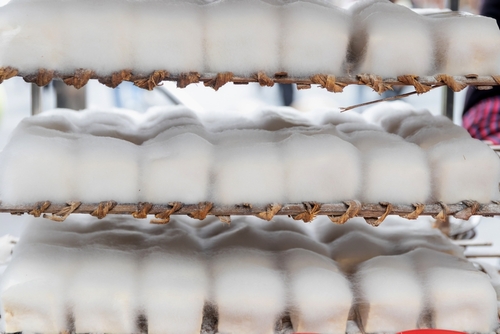
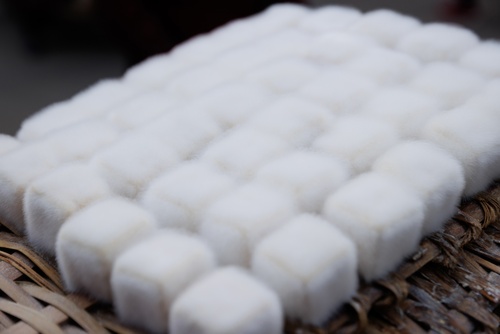
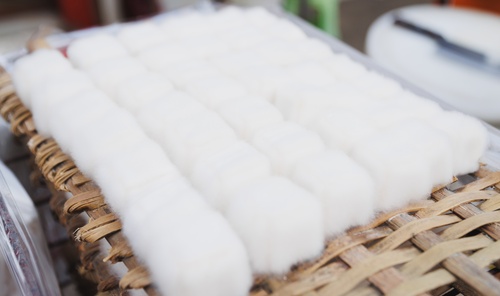
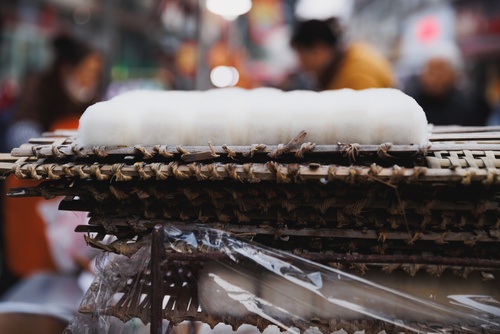
The cubes are placed in a cool, humid environment. Producers introduce specific mold spores to the tofu. Over a few days, a white, fuzzy layer of mold grows on the surface of the cubes.
The Aging Process
Once the mold growth is complete, the fuzzy tofu cubes are placed into jars. Producers fill the jars with a flavorful liquid. This brine usually contains water, salt, rice wine, and various spices. The tofu ages in this brine for several months. The salt and alcohol halt the mold growth and preserve the tofu, while the aging process develops the final flavor and creamy texture.
Types of Moldy / Fermented Tofu
You will find several distinct varieties of fermented tofu available in stores. Each type offers a slightly different culinary experience.
White Fermented Tofu
This is the most common variety. It has a pale yellow color and a smooth, creamy texture. The flavor is generally milder, making it an excellent starting point for beginners.
Red Fermented Tofu
Red fermented tofu gets its distinct color from the addition of red yeast rice to the brine. It usually contains more rice wine and sugar. The resulting flavor is deeper, slightly sweeter, and very robust.
Hairy Tofu
Hairy tofu, or mao tofu, is a specific regional specialty from the Anhui province of China. It features visible, long white mold fuzz before it is cooked. It is usually pan-fried or deep-fried, which collapses the mold and creates a deliciously crispy exterior.
What Does Moldy Tofu Taste Like?
Moldy tofu delivers a powerful flavor profile. It is intensely umami, salty, and slightly funky. Many people compare the taste and texture to a strong, soft cheese. It spreads easily and coats the palate with a rich, savory essence.
The exact taste varies based on the type and the specific spices used in the brine. Some jars feature added chili flakes for a spicy kick, while others use sesame oil or star anise for a more herbal, aromatic finish.
How Moldy Tofu Is Used in Cooking
Because the flavor is so concentrated, a little bit goes a long way. You generally do not eat fermented tofu in large quantities. Instead, you use it as a potent flavor enhancer.
Common Dishes and Uses
- Condiment for Rice or Congee: A small piece of fermented tofu provides the perfect salty contrast to a simple bowl of plain rice or warm breakfast congee.
- Stir-Fries and Braised Dishes: Cooks frequently mash a cube of fermented tofu and add it to the wok when stir-frying leafy greens like water spinach or cabbage. It is also a secret ingredient in rich, braised pork dishes.
- Dipping Sauces and Marinades: Mashed red fermented tofu makes an excellent base for dipping sauces served with hot pot. It also works beautifully as a savory marinade for roasted meats.
Nutritional Value and Benefits
Fermented tofu offers several nutritional advantages. The fermentation process breaks down the complex proteins in the soybeans. This makes the tofu easier for your body to digest. It remains a solid source of plant-based protein.
Depending on the specific production method, some unpasteurized fermented tofu may contain beneficial probiotics that support gut health. You should, however, be mindful of the high sodium content. The brine relies on salt for preservation, so it is best to consume this ingredient in moderation as part of a balanced diet.
Common Misconceptions
Several misunderstandings surround this traditional ingredient. We want to provide clear facts to ease any concerns.
“It Is Just Spoiled Tofu”
As we discussed earlier, fermented tofu undergoes a carefully controlled process using safe, specific mold strains. It is preserved food, not spoiled food.
“All Mold Is Dangerous”
Many people fear mold, but certain molds are essential to the foods we love. Soy sauce, miso, and many artisan cheeses all depend on safe mold cultures.
“It Tastes Rotten”
While the aroma can be strong, the taste is incredibly rich and savory. Once you try it paired with the right foods, you will experience a deep umami flavor, not a rotten one.
How to Buy and Store Moldy Tofu
Finding and storing fermented tofu is very straightforward.
Where to Find It
You can find jars of fermented tofu in the condiment or sauce aisles of most Asian grocery stores. Specialty online food retailers also stock a wide variety of brands.
What to Look For
Look for securely sealed glass jars. The liquid should cover the tofu cubes completely. Check the label to see if it is white or red fermented tofu, and note any added flavorings like chili or sesame.
Storage Tips
Keep unopened jars in a cool, dark pantry. Once you open the jar, you must store it in the refrigerator. Always use a clean utensil to remove the cubes. This prevents contamination and ensures the tofu will last for many months.
Can You Make Moldy Tofu at Home?
You can technically make fermented tofu at home, but we advise caution. The process requires cultivating mold spores on fresh tofu and maintaining specific temperature and humidity levels.
If the environment is not perfectly controlled, harmful bacteria can grow alongside or instead of the safe mold. This poses a significant food safety risk. For beginners and home cooks, buying store-bought fermented tofu is the safest and most reliable option.
Frequently Asked Questions (FAQs)
Is fermented tofu vegan?
Yes, most fermented tofu is completely vegan. It consists of soybeans, water, salt, rice wine, and spices. Always check the label to ensure no animal products were added to the brine.
Does unopened fermented tofu expire?
Unopened jars have a very long shelf life, often lasting for years due to the high salt and alcohol content. Always check the best-by date printed on the packaging.
Do I need to cook it before eating?
You do not need to cook fermented tofu from a jar. You can eat it straight from the jar as a condiment. Hairy tofu, however, is traditionally cooked before eating.
Key Takeaways
- Moldy tofu relies on safe, controlled fermentation, not accidental food spoilage.
- It is perfectly safe to eat when purchased from reputable commercial producers.
- The flavor is intensely savory, salty, and cheese-like.
- You only need a small amount to add massive flavor to stir-fries, sauces, and rice dishes.
- Always store opened jars in the refrigerator and use clean utensils.
Start Your Fermentation Journey Today
Trying unfamiliar foods can sometimes feel intimidating. However, expanding your palate often leads to discovering your new favorite flavors. Moldy tofu is a fantastic gateway into the rich, complex world of fermented Asian cuisine.
Some of the world’s most beloved foods start with a little bit of mold. We encourage you to pick up a jar of fermented tofu on your next grocery trip. Mash a small piece into your next stir-fry or serve it alongside a warm bowl of rice. You will quickly understand why this bold ingredient has been cherished for centuries.