
For many people, the smell of frying dough or the savory aroma of boiling broth brings back instant memories of home. Food is powerful. It connects us to our history, our families, and our culture, no matter how many miles away we might be. National Kazakh Cuisine Day is a perfect time to honor these connections.
Kazakhstan has a rich culinary heritage born from a nomadic lifestyle and a deep spirit of hospitality. If you are living abroad, celebrating this day is a wonderful way to reconnect with your roots. If you are new to the culture, it is an exciting opportunity to explore unique flavors and traditions.
This guide explores the heart of Kazakh cuisine, the dishes you should know, and how you can participate in the celebration in 2026.
The spirit of Kazakh hospitality
To understand the food, you must first understand the culture behind it. Hospitality is a central part of the Kazakh identity. There is a saying that a guest is “sent by God,” and treating guests with the utmost respect is a duty.
Historically, nomads on the steppe relied on one another for survival. Sharing food was not just polite; it was essential. This tradition continues today. When you sit down at a Kazakh table, or dastarkhan, you are participating in centuries of tradition. The meal is about community, conversation, and sharing what you have with others.
Beshbarmak: The heart of the table
You cannot talk about Kazakh food without starting with Beshbarmak. It is considered the national dish and is the centerpiece of any major gathering.
The name translates to “five fingers,” because historically, it was eaten with the hands. The dish is deceptively simple but incredibly flavorful. It consists of boiled meat—usually horse meat, mutton, or beef—served over thin, square sheets of homemade pasta dough.
The meat is boiled for hours to create a rich, savory broth called sorpa, which is often served in bowls alongside the meal. An onion sauce called tuzdyk is poured over the meat and noodles to finish the dish.
Preparing Beshbarmak is often a group activity. Family members gather to roll out the dough and cut the meat. On National Kazakh Cuisine Day, families across the world will likely be making this dish to celebrate their heritage.
Other essential dishes to try
While Beshbarmak is the most famous dish, the cuisine offers many other unique flavors. Here are three staples you might find on the table.
Baursak
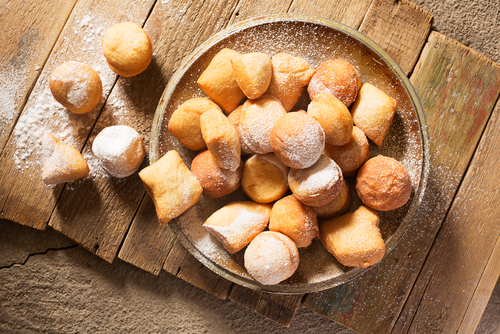
If you attend a Kazakh celebration, you will definitely see Baursak. These are small, puffy pieces of fried dough. They are golden brown on the outside and soft on the inside.
Baursak is not just a side dish; it has symbolic meaning. The smell of the frying oil is believed to float into the sky and comfort the spirits of ancestors. They are best eaten hot and can be served with almost anything, from main courses to tea.
Kazy
Kazy is a traditional sausage made from horse meat. It is considered a delicacy and is often served on special occasions. The preparation involves seasoning the meat with garlic, pepper, and salt before stuffing it into a natural casing. It is then boiled and sliced. The texture is firm and the flavor is rich and savory.
Kurt
For a snack that travels well, there is kurt. These are small, hard balls made from dried, salted yogurt or curd. Historically, they were perfect for long journeys on horseback because they do not spoil easily. The taste is very distinct—salty, sour, and chalky. It is a flavor that many Kazakhs crave when they are away from home.
How to celebrate in 2026
You do not need to be in Almaty or Astana to celebrate National Kazakh Cuisine Day. Here are simple ways to honor the day from anywhere in the world.
- Host a dinner: Invite friends or family over. Even if you cannot make a full Beshbarmak, frying a batch of Baursak is a great way to share the culture.
- Visit a local restaurant: Look for a Central Asian or Kazakh restaurant in your city. Supporting these businesses helps keep the culture visible abroad.
- Connect with family: If your family is back in Kazakhstan, give them a call during their meal. Sending money for them to buy high-quality ingredients for their celebration is also a thoughtful gesture.
Keeping traditions alive
National Kazakh Cuisine Day is about more than just eating delicious food. It is about remembering where you came from and passing those traditions on to the next generation. Whether you are rolling out dough in a small apartment in New York or enjoying a meal in a village in Kazakhstan, the spirit is the same.
Food has a way of bridging distances. By preparing these dishes and sharing these stories, you keep the warmth of Kazakh hospitality alive, no matter where you live.
Frequently Asked Questions (FAQs)
What is National Kazakh Cuisine Day?
National Kazakh Cuisine Day is a celebration of Kazakhstan’s rich culinary heritage. It is a day to honor traditional dishes, share cultural stories, and enjoy the warmth of Kazakh hospitality with family and friends.
When is National Kazakh Cuisine Day celebrated?
While the exact date can vary, it is often celebrated in early fall to coincide with the harvest season, emphasizing the importance of sharing and gratitude in Kazakh culture.
What are some traditional dishes to try?
Some popular dishes to enjoy on this day include Beshbarmak, a hearty dish made with boiled meat and noodles, and Baursak, a soft, fried bread that pairs wonderfully with tea. These dishes showcase the essence of Kazakhstan’s nomadic roots and communal traditions.
Can I celebrate this day outside of Kazakhstan?
Absolutely! National Kazakh Cuisine Day is about sharing culture and food, no matter where you are in the world. You can prepare traditional dishes at home, host a gathering, or learn more about Kazakh customs to join in the celebration.
How can I learn to cook Kazakh dishes?
You can start by exploring online recipes, including tutorials, videos, and guides that walk you through traditional cooking techniques. Local cultural centers or Kazakh communities may also offer resources and cooking classes to help you experience authentic flavors.