
Key Highlights
- The Cocos (Keeling) Islands have a mix of cultures that shape what people eat there. You will find a lot of Malay and Indian tastes in their food.
- Seafood is very important to the islanders. Fresh fish and other seafood go into many meals and are a big part of what they eat every day.
- Key items in Cocos cuisine are coconut, spices, and things grown by the people. These make the food bright and full of flavor.
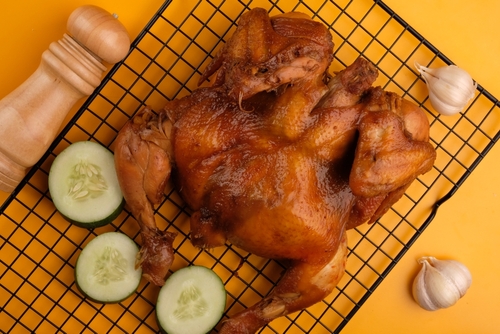
- Foods like Ayam Panggang show the strong roots and meaning of Cocos food and culture.
- When you eat at local places or restaurants, you get a real taste of the island. These spots are great for anyone who loves to try new and good food.
Introduction
Welcome to the Cocos (Keeling) Islands. This place is an australian territory found in the big indian ocean. You will see clean beaches and clear blue water here. But there is also a food scene for you to try. The food on cocos is full of history and mixed cultures. The cocos malay people have made a big impact. The local cuisine has different tastes. It shows a simple and tasty way of living the island life. Are you ready to learn more about these flavors and feel what the islands are all about?
Signature Dishes of the Cocos (Keeling) Islands
The heart of Cocos (Keeling) Islands cuisine is in its well-known dishes. These meals mix tastes from Sri Lanka, Malay, and Indonesian roots. You will find a lot of coconut cream in the food. This gives each bite a rich, tropical flavor. Many people love the spicy sambal, which you often get with seafood. It goes well with the fresh seafood from the Cocos ocean.
When you eat here, you can see coconut palms and bright coral all around. The dishes show the culture and the story of the Cocos Malays. Each meal is a new way to explore the food and life on the islands, making eating here a special adventure.
Popular Traditional Meals and Their Origins
Food from the Cocos (Keeling) Islands shows the many cultural backgrounds of the people who live there. Traditional meals often come from Malay cuisine. Dishes like nasi goreng show how close the islands are to Indonesia and the Indian Ocean. Chicken rendang is another dish you can find. It is a big part of Malay cuisine and you will see its style in food from Malaysia and Singapore.
People also like to eat fresh seafood. That is because the islands sit in the Indian Ocean and fresh seafood is easy to get. There is a long history with the sea here. British sea captain William Keeling helped shape life on the islands too. Local meals often bring all these cultures together for flavors many like.
Unique Seafood Dishes to Savor
There are many seafood choices to try in the Cocos (Keeling) Islands. The food here shows the islands’ rich land and sea. People use what they get from there. Fresh fish, prawns, and crab are always part of their traditional meals. They add spices like sambal and coriander to make the taste special.
The inhabitants know how to use seafood well. They grill it, steam it, or put it in a coconut cream sauce. The way they cook shows how they value their seafood. Malay and Sri Lankan cuisine had a big impact on what you get to eat. Every meal in Cocos has coconut, seafood, and their favorite spices. All these come together, making this food about their past and where they live.
Key Ingredients and Culinary Essentials
The food in the Cocos (Keeling) Islands is built around a few main ingredients that are easy to find there. Coconut is the most important one. You can see it in many dishes. People use the flesh to make copra, and many curries start with thick coconut cream. The many coconut palms around the islands play a big part in how the local cuisine has grown.
People also use a lot of spices such as coriander and turmeric to make the food smell and taste great. These things go together to make the base for many old Cocos recipes. The food shows that people here know how to use what they have and make good meals that taste nice.
Homegrown Produce and Spices Used in Local Cuisine
The Cocos (Keeling) Islands have a colorful mix of homegrown fruits and spices. These items come from green plantations. People take fresh coconuts and coriander to be part of the main meals. They help bring all the flavor into the cuisine. The warm weather makes it easy for many fruits and veggies to grow, and they also get used in different local dishes of people on the islands. There are tastes from places like Sri Lanka and Indonesia mixed in. All these things make the Cocos cuisine feel truly like the islands.
Influence of Malay, Indonesian, and Other Cultures in Cooking
The food in the Cocos (Keeling) Islands shows many cultures coming together. The biggest influence is Malay cuisine. The Cocos Malay people, who are the main inhabitants, brought this type of cooking here. You can see this in how the dishes are made and the way the flavors come through. There is a mix of sweet, spicy, and savory tastes. Ayam Begana is a good example that comes straight from Malay cooking.
Alongside Malay cuisine, there is some Indonesian influence that goes along with it. You will get sambal used in food from both cultures. There are also small touches from other cuisines.
Australian flavors are also in what people eat on these islands. You can try fish and chips and gourmet pizzas at local spots. This mix of Malay, Australian, and even some British tastes gives the local food its own story. The unique dishes help people know more about the history and the lives of those who live in the Cocos.
Where to Eat: Local Restaurants and Eateries
Dining on the Cocos (Keeling) Islands is friendly and close. You will not find any big chain restaurants here. Instead, you get a few small places to eat which are run by local people on West Island and Home Island. There is coffee, baked goods, classic Cocos Malay buffets, and dinners you can take away. Keep in mind, opening hours can change with the season, so you should check before you go.
Some places even have a special detail like a fridge with drinks and snacks, open 24/7, where you pay with an honesty box. No matter if you want a quick meal or a sit-down dinner at sunset, you get real island hospitality at the local restaurants on West Island and Home Island.
Top Recommended Spots for Authentic Island Flavors
When you go to the Cocos (Keeling) Islands, you will want to try the real food the islands have. The best way to do this is to eat at small, family places on West Island and Home Island. These places are where people and guests both come to eat tasty food and relax.
On Home Island, you can be a part of the local life by trying a Cocos Malay buffet. On West Island, you can eat outside while you look at the ocean. Life here is slow, so booking a seat is needed. Sometimes, you may just write your name on a board to hold your spot.
If you want to get the real taste of the Cocos Malay islands, visit these places:
- Tropika Restaurant: You will find this spot on West Island. It is halal. It has both Cocos Malay and Australian food. They serve meals for breakfast, lunch, and dinner.
- Sweet As Makan: This place is on Home Island. It is best known for its all-you-can-eat Cocos Malay and Western buffet. Go on Wednesday or Friday nights.
- Surfer Girl Restaurant: On West Island, this is a well-known spot for eating outside. It is great to sit here, watch the sunset, and try the dinner specials.
- Seafront Restaurant Pop-up: This is a small stall on Home Island. Stop here for takeaway wraps and burgers.
Conclusion
The Cocos (Keeling) Islands have food with many flavors and styles. This comes from the many different people who live there. You can find dishes with coconut cream and tasty seafood. When you eat a meal here, it shows the history and place of the coral islands. People use local things like fresh fish and spices, which help to give these foods their special taste. Every bite lets you feel the joy of living on these islands. Trying the cuisine is more than just food. It lets you know about the life and story of the coral islands and their people.