
Key Highlights
- Get to know the heart of Bhutanese cooking. They love spicy food and use a lot of unique flavors in what they eat.
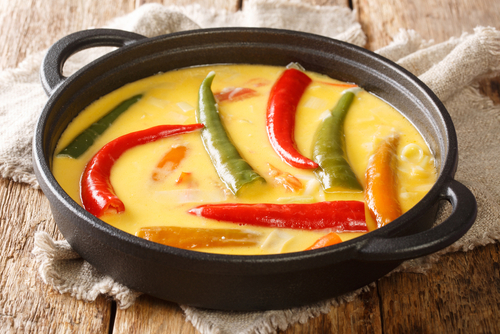
- Find out more about Ema Datshi. This is the national dish. It is a hot stew made with chilies and local cheese.
- See how local things like red rice, buckwheat, and wild mushrooms help make the food culture in Bhutan what it is.
- You can try classic meat meals like Phaksha Paa, which is a pork dish, and Shakam Paa, which is dried beef.
- Not only that, there are also warming vegetarian meals and snacks such as Momos. These are tasty steamed dumplings.
- People in Bhutan also enjoy drinks like Suja, which is butter tea, and Ara, a drink made from rice.
Introduction
Welcome to the tasty world of Bhutanese food! Bhutan sits in the Himalayas. This place gives you food that is just as special as its wild views. The taste of Bhutan comes from chilies, cheese, and many fresh, local things. The country does get some ideas from places nearby, but Bhutanese food stands alone. It is simple, and at the same time, it has many layers. Get ready to try spicy, rich, and warm traditional dishes that make up the heart of this mountain country.
Bhutanese Cuisine: Spicy Himalayan Dishes and Local Ingredients Explored
Bhutanese dishes show a lot about the country because of where it is in the Himalayas. The food depends on local things you find in the mountains. This includes red rice, buckwheat, and different wild mushrooms. Because the people use what comes from the land, the bhutanese food has its own unique flavors.
Spicy food is a big part of what people eat here. Chilies are not just used to add taste; they are cooked as a vegetable. When you mix chilies with local cheese, you get some of the most classic and loved Bhutanese dishes. Here are some must-try dishes you should have when you visit.
1. Ema Datshi – The Iconic Chili and Cheese Stew
If there is one dish that stands for Bhutan, it is ema datshi. This is the national dish of Bhutan, and it is very important in the everyday life of people there. “Ema” means chili, and “datshi” means cheese. The name says what it is—a simple but strong stew. It is made from chilies, fresh green or dried red, cooked in a thick cheese sauce. You will find it with almost every meal.
People have their own way to make ema datshi. Some like it with a thin broth, while others like a thick and gooey cheese sauce. Sometimes people add garlic, onions, and tomatoes. Still, many think tomatoes do not go well with the usual Bhutanese cheese. The main idea is to cook the chilies just enough, so they do not get too soft.
This famous dish has its top spot as the national dish because it is everywhere, and its main ingredients—chilies and cheese—are at the heart of Bhutanese cooking. If you visit Bhutan, you must try this famous chili and cheese dish.
2. Kewa Datshi – Potatoes with Cheese and Chilies
If you want to enjoy a cheesy Bhutanese stew without too much heat, Kewa Datshi is a good choice. In this dish, “Kewa” stands for potato. So, it’s a warm plate of potatoes and cheese. People like to eat this, and it is a good idea for those who don’t eat meat. Many young people in Bhutan really love this dish.
It’s easy to make. You cook diced or sliced potatoes with local Bhutanese cheese and some butter. The potatoes should be soft, but not fall apart. Some green chilies go into the dish, but not too many. This way you get a small zing, but it’s not strong at all.
You may see Kewa Datshi with tomatoes and onions sometimes. Still, the main dish is all about the good taste of potatoes and creamy cheese sauce. Kewa Datshi is filling, tasty, and shows a special side of Bhutan’s love for datshi cheese.
3. Shamu Datshi – Mushroom and Cheese Delight
Another tasty vegetarian stew is Shamu Datshi. In this dish, Shamu means mushroom. It uses wild mushrooms cooked in a rich cheese sauce. Shamu Datshi is one of those Bhutanese dishes that show how people there use what nature gives them in the Himalayan forests.
The best Shamu Datshi has a great balance. You get the earthy taste of mushrooms and the creamy cheese sauce together. The cheese should not cover up the soft taste of the mushrooms. The wild mushrooms are often picked by local people. If you use more cheese, the broth gets thick and creamy. If you use less, it stays a thin, tasty liquid.
This dish is not as spicy as ema datshi, but it still has a lot of flavor. Some cooks add other things for extra flavor. Still, the main point is the mushrooms and cheese together. This makes Shamu Datshi a very warm and comforting meal.
4. Shakam Paa – Dried Beef with Chilies and Radish
Shakam Paa is a well-known Bhutanese food that shows how people make food last longer in colder months. “Shakam” means dried beef. This beef is dried, so it gets a chewy texture that many people like.
In this dish, you cook dried beef with dried red chilies and veggies, usually radish. The beef is stir-fried first. Then it goes into a mix with sautéed chilies and other items. You can make it as a stew or let it cook until it is more like a thick gravy.
People serve Shakam Paa on red rice. The meal is hearty and has a strong taste. You get chewy beef, spicy chili sauce, and the earthy flavor of radish, all in one. It is a favorite in Bhutanese food, and folks think of it as a classic dish, especially during the colder months.
5. Phaksha Paa – Pork Cooked with Radishes and Spices
Phaksha Paa is one of the most loved meat dishes in Bhutanese food. This dish is all about pork, called “Phaksha,” cut into thick slices. The pork is cooked with many spices and some vegetables. Many people in Bhutan pick pork as their favorite meat, and this dish really shows why they like it so much.
The way to make this dish is simple. First, the pork is stir-fried. Then, it gets mixed with whole dried red chilies, ginger, and daikon radish. Sometimes, other vegetables like spinach, beans, or bok choy are added in. Everything gets cooked down to make a tasty stew with rich gravy. It goes really well with rice.
This meal is filling and packed with good flavor. You will see it listed on a lot of menus. If you do not want pork, there is a dish just like it called Nosha Paa. This one uses beef, but brings the same great taste to your table.
If you want to try true bhutanese food, phaksha paa is a good place to start.
6. Sikam Paa – Cured Pork Belly with Chilies
Sikam Paa takes the love for pork up a notch by using dried pork belly. “Sikam” is pork belly that has been left to dry in the sun. This way of keeping meat gives it a rich flavor and a chewy texture. The dried pork belly is the main part of this dish.
The cured pork belly is cooked with dried red chilies. This makes the dish savory, fatty, and spicy at the same time. As the meat cooks, the fat melts and mixes right into the chili sauce. This creates an even stronger taste in the Bhutanese chili sauce.
Like many other Bhutanese dishes, Sikam Paa is full of flavor. It’s best eaten with red rice. The rice helps even out the rich and spicy taste. Sikam Paa is a traditional food that shows how you can turn simple things like dried pork belly and chili sauce into something great.
7. Jasha Maru – Spicy Bhutanese Chicken Curry
Jasha Maru is Bhutan’s take on chicken curry, and it has its own special style. The dish uses tender pieces of chicken, which can be diced or shredded, cooked in a good broth. You can taste the Himalayan style right away by the strong and warming spices in the dish.
Jasha Maru gets its unique taste from using a lot of ginger. This gives the curry a strong and fresh flavor. The chicken is cooked along with garlic, onions, tomatoes, and chilies. A chicken stock made from bones brings extra flavor to this meal.
At the end, the curry is topped with fresh coriander to add even more flavor. Jasha Maru is usually served with rice, so you can soak up all the tasty, spicy broth. It is a warming and filling chicken curry that is just right for cool mountain air and makes people feel good.
8. Momos – Steamed Dumplings with Local Fillings
Momos are a big part of bhutanese food. People in Bhutan eat them as a snack or sometimes as a whole meal. These dumplings came from Tibet, but now you will find them everywhere in Bhutan. People there have made the dish their own. The wrappers are made from wheat flour and get packed with all kinds of tasty stuff.
Most of the time, the inside has minced beef or pork mixed with cabbage and onions. Some momos are just right for vegetarians. In these, you get veggies or a mix of local cheese and cabbage instead of meat. Once they are filled, the dumplings get steamed until they are done. People like to eat them hot, and they often dip them in a spicy chili sauce.
Fried momos are around, too. These give you a crunchy bite instead of a soft one. Walk around in Bhutan and you will find momos being sold everywhere on the street, but you will also see them in restaurants and homes, too. People say the best momos are the ones that hold their juices inside. That gives you that perfect, yummy bite every time.
9. Hoentay – Buckwheat Dumplings from Haa Valley
Hoentay come from the beautiful Haa Valley. These are special dumplings that are not the same as momos. The dough is made from buckwheat, so it has a darker color and a nutty taste.
The filling is mostly vegetarian. You will find chopped turnip or spinach leaves, cottage cheese, amaranth seeds, ginger, and onions inside. This mix makes Hoentay taste very Bhutanese. People often eat Hoentay with a spicy chili sauce that is a bit like what you get with momos.
People in the Haa Valley and Paro make a lot of Hoentay during Lomba. This is a festival for the new year. They share these dumplings with friends and neighbors. The dish shows the spirit of gathering and joy. When you try Hoentay, you get a taste of a traditional dish from this part of Bhutan.
10. Red Rice – Nutritious Himalayan Staple
No talk about Bhutanese food is complete without red rice. People in Bhutan eat red rice with almost every meal. This rice is a medium-grain type. It grows in the rich soil of Paro Valley, at high altitudes. The water from the glaciers is full of minerals and is used to water this rice.
When you cook Bhutanese red rice, it turns light pink. The rice comes out soft and a bit sticky. It has a nice, nutty taste. Red rice is better for you than white rice because it has more minerals and fiber. That is why it is such a good choice for the Bhutanese diet. The earthy taste of red rice goes well with the spicy and tasty curries and stews in Bhutan.
Red rice means a lot to the culture here. It helps fill people up and gives them the strength for the day. This makes red rice a key part of every meal in Bhutan.
11. Lom – Preserved Mustard Greens in Traditional Cooking
Lom is one more way that people use preservation techniques in Bhutanese cooking. These ways to keep food are really important, especially during the colder months. The word “Lom” means dried and kept turnip leaves, but you can also use other greens. People pick the leaves, then dry them, and this makes their taste stronger.
These dried greens often go into many Bhutanese dishes, especially in stews. People like to cook them with pork, as in Phaksha Paa. In this dish, the greens give a very special taste that is a bit bitter. They also have a chewy texture, which goes well with the meat and spice.
When people use kept vegetables like lom, they know they will have some greens all year. This is very helpful in the colder months, when fresh leaves may not be there. It is a way to work with the Himalayan climate. Lom also brings a special flavor to many traditional Bhutanese dishes.
12. Gondo Datshi – Stir-Fried Eggs with Cheese
Gondo Datshi is a simple and rich vegetarian meal. People in Bhutan love to eat it for breakfast. It is made by cooking eggs in a pan with a lot of local Bhutanese cheese and butter. This gives the dish a creamy and tasty cheese sauce.
To make Gondo Datshi, you will need fresh eggs, cheese, and butter. They all go into a hot pan. The cheese melts into the eggs. This makes a creamy cheese sauce that is full of good flavor and very satisfying. Because it is so rich, people often serve it with rice. The rice helps to even out the flavors.
Some people want extra flavor in their food. They may add chopped spring onions or put some red chili powder on top of the Gondo Datshi. This dish shows how you can use simple things, like eggs and cheese, to make a meal that is warm, filling, and full of flavor in Bhutanese cuisine.
Keywords used: cheese sauce, red chili, local bhutanese cheese, bhutanese cheese, creamy cheese sauce, extra flavor
13. Goep – Spicy Tripe Stir-Fry
For people who want to try something new, Goep gives you a strong taste and chewy texture. Goep is the stomach lining of cattle, also called tripe, cooked as a spicy stir-fry. The chewy texture is what many like about this dish.
In this way of making spicy food, the tripe is cut into thin slices and cooked with dried red chilies, onions, and different spices. You get a hot dish with good flavor that shows how much people in Bhutan like spicy food and different textures.
Goep is popular with locals. It is part of a way of eating where no part of the animal goes to waste, which you see in a lot of old food cultures. It usually comes with rice, and the hot chili sauce and chewy texture of the tripe give you a food experience you will remember.
14. Suja – Traditional Butter Tea
Suja, also known as Bhutanese butter tea, is a drink that is very important to the daily life of people in Bhutan. This tea is not sweet like regular milk tea you may know. Instead, it is savory. The way to make it is to mix tea leaves, water, salt, and yak butter together.
You get a drink that is creamy, with foam on top, and tastes salty. It feels good and is good for you, especially when the cool mountain air of the Himalayas is all around. The yak butter in it has fat and calories. The body needs these to help stay warm and have energy, especially at high altitudes. The taste is unique, and it might feel new if you try it for the first time. For the Bhutanese people, though, it is a well-loved flavor.
Butter tea is a sign of warm welcome and is usually served to guests when they come into any home in Bhutan. People drink it anytime during the day. Butter tea is part of social times and gatherings in Bhutan, so it is more than just a drink for them.
15. Ara – Local Distilled Rice Spirit
Ara is a strong drink that many people in Bhutan know and love. People often call it the national drink. This drink is made by letting rice, wheat, millet, or barley change over time. Sometimes, people also distill it. The kind of yeast used here means a lot. It can really change how good the drink turns out.
Ara might look clear or sometimes have a soft, creamy color. You will not find it in most bars because of rules set by the government. Still, you will see many families make it at home. It is very special at festivals. You will also see it during events for prayers and big family get-togethers.
If you stay with a family in Bhutan, you will most likely get to try Ara. This drink is very strong and people usually serve it warm. When you taste it, you feel the true warm welcome from people in Bhutan. It is always made with things grown in their own country.
Unique Local Ingredients in Bhutanese Cooking
The heart of Bhutanese food comes from the special local things they use in their dishes. The way the land and weather are in Bhutan shapes what people can grow there. Because of this, their food has a close connection to the land. Hot chilies give the food its spice, while red rice is the main food you’ll find on the table. Each thing used in the kitchen has its own story.
Bhutanese cooking stands out because people use things that are grown close to home. The unique flavors you taste are there because people pick fresh, high mountain foods and add classic spices to them. Now, let’s look at some main parts of Bhutanese cuisine.
Chilies, Cheese, and Red Rice as Culinary Foundations
Three ingredients form the holy trinity of Bhutanese cuisine: chilies, cheese, and red rice. Unlike in many other cuisines where chilies are a spice, in Bhutan, they are treated as a vegetable and are a star ingredient in many dishes, from fiery stews to spicy chili sauce.
Local Bhutanese cheese, or “datshi,” is another cornerstone. It’s a simple, fresh farmer’s cheese that doesn’t melt like processed cheese but instead softens into a creamy sauce, providing a rich, savory base for countless dishes. It is the perfect counterpart to the heat of the chilies.
Finally, Bhutanese red rice is the staple food that accompanies almost every meal. Its nutty flavor and slightly sticky texture make it the perfect vessel for soaking up the delicious sauces and gravies of Bhutanese curries. These three ingredients are truly fundamental to the nation’s palate.
| Ingredient | Role in Bhutanese Cuisine | Example Dish |
|---|---|---|
| Chilies | A primary vegetable, providing heat and flavor. | Ema Datshi |
| Cheese | Creates a creamy, savory sauce base for stews. | Kewa Datshi |
| Red Rice | The staple grain, served with nearly every meal. | Phaksha Paa |
Himalayan Herbs, Buckwheat, and Wild Mushrooms
Bhutanese dishes use more than the main three ingredients. Many local foods come from the Himalayas. People use Himalayan herbs and spices like ginger and Sichuan pepper. These give extra flavor and warmth. This is good for the cold weather.
Buckwheat is also important. It grows well in high places, like Bumthang and Haa. People make noodles called Puta with it. These are a lot like Japanese soba noodles. They also use buckwheat for dumplings like Hoentay. Buckwheat grows where rice can’t, which shows the food in Bhutan can change to fit the land.
Bhutan’s forests are full of wild mushrooms. These grow most during the rainy season. People really like Matsutake mushrooms. They use them for dishes such as Shamu Datshi. These mushrooms give an earthy taste. This brings the true flavor of the wild Bhutanese land.
Dining Traditions and Food Culture in Bhutan
The food culture in Bhutan is about much more than just what is served for a meal. It shows the way of life for Bhutanese people. The Bhutanese way of life centers on being simple, being with others, and having a strong tie to nature. A meal is when the family comes together. They share good, filling dishes with one another.
The essence of Bhutanese cuisine is in these times people share. Bhutanese people care a lot about old food habits. This can be seen from how they serve meals and the polite way they act at the table. When you learn about Bhutanese food, you also find out about the beliefs and deep meaning behind their traditions.
Communal Eating, Etiquette, and Use of Wooden Bowls
Eating together is an important part of life in Bhutan. Families often sit on the floor and share food that comes from one big pot. This way of eating helps bring everyone closer and makes them feel like a community.
There are a few simple rules to remember when you are having Bhutanese food. People usually say a short prayer before they start to eat. You should wait until the host or the oldest person begins their meal before you eat. When you are given food or drink, use both hands or touch your right elbow with your left hand to show respect.
Years ago, food in Bhutan was always served in wooden bowls called “phobs” and “dapas.” People still use these lovely handmade bowls, mostly in villages and during special events, even though most folks now use regular plates. These old bowls help people stay connected to the country’s long history of crafts and art.
Festivals, Religious Significance, and Seasonal Variations
Food is a big part of festivals and religious gatherings in Bhutan. When people celebrate events like Losar, which is the Bhutanese New Year, or Thruebab, the Blessed Rainy Day, families make special food. One example is “Thuep,” which is a rice porridge. People usually have a small amount of this dish before breakfast during these times.
Many foods in Bhutan have a deep meaning in religion. Making and sharing food is an important step in many Buddhist traditions. When people cook and share meals during festivals, it helps bring everyone closer together. This is seen as a good deed, and is one way people earn merit. The mixture of food and faith is at the heart of Bhutanese life.
The dishes in Bhutan also change with the seasons. The weather in the Himalayas and the time when farmers harvest crops decide what people eat. For example, wild mushrooms and some vegetables are there only at certain times each year. The making of local Bhutanese cheese or Bhutanese cheese also follows these seasons. This means the food people eat is always fresh and matches the time of year.
Conclusion
To sum up, Bhutanese food brings together many exciting flavors because of the country’s deep history and special ingredients. Classic dishes like ema datshi and tasty momos show how meals in Bhutan are about more than just eating. They’re also about being together and carrying on long-time customs. The food stands out because people in Bhutan use chilies, cheese, and red rice, which you don’t find everywhere else. You will see that the focus is always on using fresh things and going with what is in season. When you enjoy these meals, you not only treat your taste buds. You also get a chance to understand the true heart of Bhutan’s culture. If you want to know more, go ahead and find out about other wonderful Bhutanese food and how people cook it.
Frequently Asked Questions
What makes Bhutanese cuisine unique compared to other Himalayan food?
Bhutanese food stands out because people there use a lot of chilies. They use them as a vegetable, not just as a spice. People in Bhutan also enjoy cheese in many dishes. Ema Datshi is the national dish. It is a spicy dish that shows off these unique flavors. The way they mix local ingredients and these flavors makes Bhutanese food different from the food in nearby countries.
Are there vegetarian options in Bhutanese cuisine?
Yes, you can find many tasty vegetarian meals! The “datshi” dishes come with a creamy cheese sauce that many people like and they are often made without meat. Kewa datshi is made with potatoes and cheese sauce. Shamu datshi is made with mushrooms and cheese. There are also dumplings with cheese and vegetables inside. All these dishes use fresh, local ingredients.
Is Bhutanese food always very spicy?
Not all Bhutanese food is very spicy, even though many traditional dishes have a lot of heat. The Bhutanese people really like spicy food, and you can see that in their national dish. But a lot of places that serve visitors use less spice. There are also some milder dishes you can try.