

A sudden family emergency can upend everything. One moment life is normal, and the next you’re facing a bill—medical, legal, or otherwise—that runs well into five figures. The pressure is real, and the clock may be ticking.
The good news? You may have more options than you think. Whether the money needs to arrive the same day or within a few weeks, there are practical steps you can consider to cover a large, unexpected expense. This guide walks through them clearly—so you can focus on what matters most.
Assess the Situation First
Before filling out loan applications or making withdrawals, take a moment to clarify the details.
Ask yourself:
- How much do you actually need? Request an itemized estimate if possible. Medical facilities, legal offices, and funeral homes can often provide a cost breakdown upfront.
- How quickly does the money need to arrive? Some situations require immediate payment; others allow a few days or weeks.
- Do you need the full amount at once? Partial payments may buy time while you arrange the rest.
Your answers will help determine which options are realistic.
Tap Your Own Resources First
If possible, using money you already have access to can help you avoid taking on new debt.
| Resource | Description | Considerations |
| Emergency savings | Dedicated emergency fund. | This is what it’s designed for; even a partial withdrawal can reduce how much you may need to borrow. |
| Retirement accounts (401(k) or IRA) | May allow early access under certain conditions. | Taxes and penalties can apply. Some plans permit hardship withdrawals or loans against your balance; contact your plan administrator for details. |
| Home equity (HELOC or home equity loan) | May provide access to a larger sum. | Interest rates are sometimes lower than unsecured loans. Approval may take time. |
| Brokerage or investment accounts | Selling investments. | May trigger capital gains taxes, but it can be an alternative to higher-interest borrowing. |
Ask Family or Friends
This conversation can feel uncomfortable, but it may be worth considering. Borrowing from someone you trust could mean lower interest and more flexible repayment terms.
If you choose this option, consider putting the agreement in writing. A simple promissory note outlining the amount and repayment expectations can help prevent misunderstandings.
Explore Personal Loans

Personal loans are commonly used to cover large, unexpected expenses. Banks, credit unions, and online lenders may offer these loans, and funding timelines vary.
When comparing options, review:
- Interest rate (APR) — Rates differ based on credit profile and lender.
- Loan term — Shorter terms generally mean higher monthly payments but less total interest paid over time.
- Origination fees — Some lenders deduct fees from the loan amount upfront.
Be sure to review the total repayment amount before committing.
Consider Medical Payment Plans
If the emergency involves healthcare costs, contact the provider’s billing department directly. Many healthcare providers offer:
- Installment payment plans
- Financial assistance programs for qualifying patients
- Third-party financing options
You may not need to pay the full balance immediately. Ask about available options before assuming a lump-sum payment is required.

Look Into Emergency Assistance Programs
Depending on the situation, nonprofit organizations and government programs may provide partial support.
- Local community organizations may offer hardship assistance
- Disease-specific foundations sometimes provide grants
- In the United States, dialing 211 can connect you with local social services
- Government disaster relief programs may provide support after declared emergencies
These programs may not cover the entire amount, but they could reduce the gap.
Use Crowdfunding Carefully
Online fundraising platforms have helped families raise money during emergencies. A clear explanation of the situation and regular updates may encourage support from your network.
Keep in mind:
- Platforms may charge processing or service fees
- Funds may take time to collect and transfer
- Success often depends on the size and engagement of your network
Credit Cards as a Short-Term Option
Using a credit card can provide immediate access to funds, but interest rates are often high. Some cards offer introductory 0% APR promotions for a limited time.
If using a credit card:
- Review the promotional terms carefully
- Aim to pay off the balance before higher rates apply
- Be cautious with cash advances, which typically include additional fees and higher interest
When Someone Overseas Needs the Money
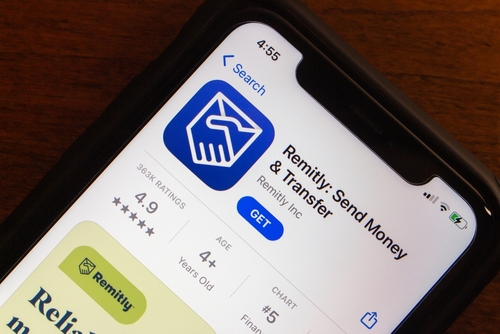
Family emergencies don’t always happen close to home. If a loved one is abroad and needs financial support, an international money transfer service may help you send funds across borders.
When comparing services:
- Review transfer fees and exchange rates
- Check estimated delivery timelines
- Confirm available delivery methods, such as bank deposit, mobile wallet, or cash pickup
Choosing a reputable provider and reviewing the full cost breakdown can help you understand how much your recipient may receive and when.
Frequently Asked Questions
How fast can I get $10,000 in an emergency?
Timing depends on the method. Credit cards may provide immediate access. Some lenders offer funding within a few business days. Retirement account withdrawals or home equity loans may take longer.
What credit score do I need for an emergency personal loan?
Lenders have varying requirements. Higher credit scores may qualify for more favorable terms, but options may exist for a range of credit profiles. Carefully review interest rates and total repayment costs.
Is it better to borrow from family or take out a loan?
It depends on your circumstances. Borrowing from family may reduce costs but can affect relationships if expectations aren’t clear. A written agreement can help. A formal loan may provide clearer structure.
Can I negotiate a large medical bill?
In some cases, yes. Request an itemized statement and ask about financial assistance or installment plans.
What should I avoid when raising emergency funds quickly?
High-cost short-term loans can carry very high interest rates and fees. Review terms carefully and consider alternatives before committing.
How do I send emergency money to a family member abroad?
Compare international transfer services based on fees, exchange rates, delivery methods, and estimated timelines. Reviewing the total cost and expected delivery window can help you make an informed choice.
Moving Forward After a Financial Emergency
Covering a $10,000+ emergency can feel overwhelming, but breaking the process into steps may help. Start by clarifying your timeline and the amount required. Then evaluate your options in order: personal resources first, followed by trusted relationships, and then formal lending or assistance programs.
After the immediate situation stabilizes, consider rebuilding an emergency fund over time. Even modest, consistent contributions can provide a financial cushion for future unexpected expenses.
Take it one step at a time.