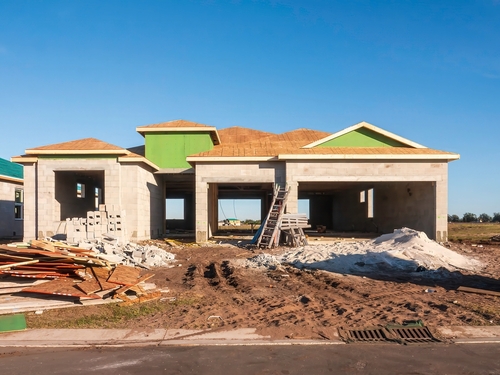

Owning a home is a major life goal for many people. The traditional path involves taking out a large mortgage and paying it off over 30 years. For young adults and families looking at rising interest rates and expensive real estate, that long-term debt can feel overwhelming. Fortunately, another option is gaining popularity.
A paycheck home is a home built gradually, funded entirely by your regular income. Instead of borrowing money from a bank, you buy materials and complete construction phases only when you have the cash available. You build your house paycheck by paycheck. This method requires patience and hard work, but the result is a custom home with zero debt.
Taking this route gives you complete control over your financial future. You do not have to worry about monthly mortgage payments or fluctuating interest rates. By managing the project yourself and paying as you go, you can build a secure foundation for your life. We will explain exactly how the paycheck house concept works, the benefits it offers, and how you can start your own debt-free build.
The Core Concept of a Paycheck Home
Building a paycheck house means you are the project manager and the primary funder. You divide the home building process into small, manageable steps.
Funding Construction Without a Loan
The most important rule of a paycheck house is avoiding debt. You save a portion of your income each month. Once you have enough money to pour the concrete foundation, you complete that step. Then, you save again to frame the walls. You repeat this cycle for the roof, the plumbing, the electrical work, and the interior finishes. You never spend money you do not have. This transparent approach protects you from financial stress.
Taking Control of the Timeline
Traditional home construction usually takes a few months because bank loans require strict timelines. A paycheck house takes much longer. It might take two, five, or even ten years to finish. You set the pace based on your income and your free time. If you experience a financial setback or need to take a break, you simply pause construction. There are no banks demanding immediate progress or monthly payments.
Benefits of Building Paycheck to Paycheck
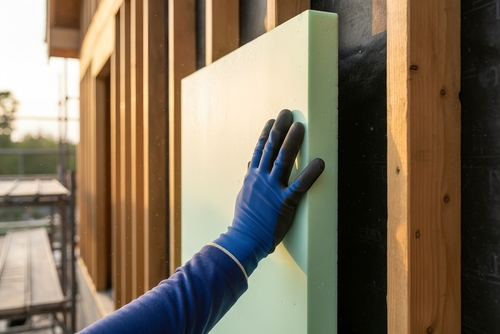
Choosing to build incrementally offers significant advantages. It transforms the way you view money and property.
True Financial Freedom
The average homeowner pays thousands of dollars in interest over the life of a mortgage. Building a paycheck house eliminates that cost entirely. When you finally move in, you own the property outright. Your monthly living expenses drop dramatically. This financial security allows you to save for retirement, travel, or pursue a career you truly love. It provides a profound sense of reassurance for your family.
Learning Valuable Trade Skills
Most people who build a paycheck house do a lot of the manual labor themselves. You will learn how to frame a wall, install drywall, and lay flooring. Acquiring these skills saves you a tremendous amount of money on labor costs. It also means you will know exactly how to maintain and repair your home in the future. You become self-reliant and confident in your abilities.
Steps to Start Your Debt-Free Build
Starting a project of this size requires careful planning. You need to break the massive goal of building a home into actionable steps.
Buy Land You Can Afford
The first step is purchasing a piece of land with cash. Look for property that fits your budget, even if it is located a bit further from the city. Make sure the land has access to basic utilities or is suitable for off-grid systems like a well and a septic tank. Owning the land outright is the foundation of your debt-free journey.
Design a Manageable Floor Plan
Keep your home design simple. Complex rooflines and enormous square footage cost more money and take more time to build. Start with a modest floor plan that meets your basic needs. You can always design the house so that additions can be built later. A smaller, well-designed home is easier to heat, cool, and maintain.
Research Local Zoning Laws
Before you buy land or start building, you must understand the local building codes and zoning laws. Some counties require houses to be finished within a certain timeframe after a building permit is issued. Other areas have minimum square footage requirements. Look for rural areas or counties with relaxed zoning regulations that support incremental building. Knowing the rules in advance prevents expensive legal problems later.
Common Challenges and How to Overcome Them
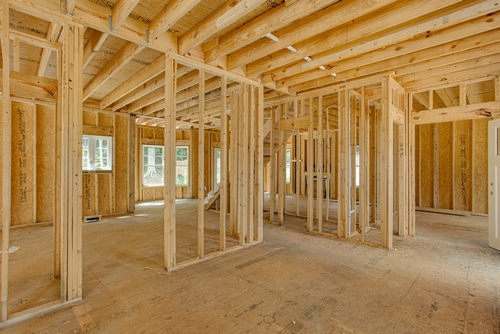
Building a house from scratch is a difficult task. Knowing what to expect will help you navigate the hard times safely and effectively.
Staying Motivated Over the Years
Progress on a paycheck house can feel very slow. It is easy to feel discouraged when you spend your weekends working on a house you cannot live in yet. To stay motivated, celebrate small victories. Celebrate when the roof is sealed. Celebrate when the windows are installed. Keep a journal or take photos to document your progress. Remembering how far you have come will inspire you to keep going.
Managing Temporary Living Situations
Because a paycheck house takes years to build, you need a cheap place to live during construction. Many builders live in an RV or a small mobile home on the property. Others live with family members to save money on rent. Living in a small, temporary space requires sacrifice. Focus on the long-term goal. The temporary discomfort is worth the permanent financial freedom.
Frequently Asked Questions (FAQs)
How long does it take to build a paycheck home?
The timeline depends entirely on your income, your budget, and how much free time you have. Some people finish a small home in three years. Others take seven to ten years to complete a larger project. The key is to move at a pace you can afford.
Do I need construction experience to build my own home?
You do not need prior experience, but you do need a willingness to learn. There are thousands of tutorials, books, and community forums available to teach you basic construction skills. For highly technical work, like electrical wiring or plumbing, it is often best to hire a licensed professional to ensure the home is safe and up to code.
Are there legal restrictions on building slowly?
Yes, many cities and counties have strict zoning laws that limit how long a building permit remains valid. If your permit expires, you may have to pay fees to renew it. Always check the regulations in your specific area before purchasing land. Look for regions that are friendly to owner-builders and incremental construction.