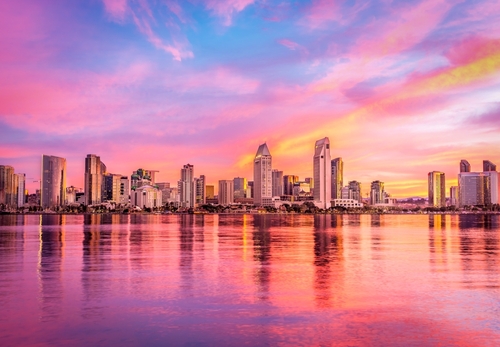

As the most populous and one of the largest states in the US, California is almost like a country of its own. Its climate, cost of living, housing situation, and the pace of daily life all vary significantly between southern and northern California. There’s a huge difference between cities like San Diego and San Francisco, too: although they’re both coastal cities, living in San Diego vs. San Francisco delivers a very different Californian reality.
At Remitly, we support people starting new adventures in new places. With that in mind, in this guide we’re going to provide a transparent, side-by-side comparison of these two great cities. We’ll break down key factors, including cost of living, job markets, transportation, weather, and the overall vibe of each city. That way, you can make an informed, confident decision about your next move.
Living in San Francisco vs. San Diego
The fact that they’re in the same state doesn’t mean the two cities are similar. In fact, these two iconic California destinations have quite different vibes, perfectly encapsulating the contrast between northern and southern California.
San Diego: relaxed outdoor living
San Diego is widely known for its laid-back, outdoor atmosphere. Life here is all about sunshine, open space, and the beauty of the coast. Think surfboards on car roofs, flip-flops in grocery stores, and casual dress codes pretty much everywhere you go.
The city is quite spread out geographically, which gives it distinct neighborhoods like La Jolla, Pacific Beach, and North Park. These neighborhoods each have distinct characters of their own, so even though you’re in a big city, it doesn’t always feel like it.
The pace of life is noticeably slower than in other cities. People spend their weekends at the beach, hiking coastal trails, or enjoying restaurant patios. Many San Diegans prioritize a balanced lifestyle, aiming to fit their work around their life instead of the other way around.
In other words, if you like to live in the present and take things one day at a time, San Diego may match your vibe perfectly.
San Francisco: urban energy
In contrast to San Diego, San Francisco is intensely urban. Bordered by the Pacific Ocean and characterized by its famously steep hills, the city has a dense urban core where there’s always something going on. San Francisco has a dense urban core where there’s always something going on. There’s one thing it does have in common with San Diego: its neighborhoods are full of their own personalities and histories, offering everything from tech-driven districts to historic enclaves.
This gives “the City by the Bay” a relentless energy. This is a place with a long history of innovation, activism, and creativity. There’s always something new happening here, from pop-up events to talks, exhibitions, and restaurant openings. That makes daily life more engaging, but perhaps also more demanding.
Cost of living in San Diego and San Francisco: budgeting for the Golden State
California is never what you’d call cheap, especially on the coast. In fact, both these cities rank among the most expensive in the United States.
That said, there is a difference. San Diego may not be especially affordable by national standards, but San Francisco is even pricier.
Housing
The cost of housing in both these cities is significantly above the national average. San Diego’s average home price is over $1,150,000 USD at time of writing. That’s double the national average. Renting an average apartment in the city costs over $3,000 USD per month.
San Francisco, on the other hand, has some of the highest real estate prices in the world. Limited space and consistent demand, both from high-income tech workers and international buyers, make San Francisco’s real estate market highly competitive.
The average home in the City by the Bay costs almost $1.4 million USD at time of writing. Renting an apartment is likely to cost you $3,814 USD. These prices are around 15 to 20% higher than what you’ll pay in San Diego.
Everyday expenses
No matter where you choose to live, housing is likely to be your biggest expense. But it’s not your only one, of course: you’ll have to deal with the cost of groceries, dining out, internet service, and utilities too.
In that regard, both of these cities have a higher cost of living than the national average. Again, San Francisco comes out as the more expensive of the two, though the difference isn’t very substantial. Groceries might cost 2-3% more in San Francisco, but that’s a difference you can offset by developing clever spending habits.
The same similarity in pricing applies to transportation: gas tends to cost almost the same in the two cities. However, San Francisco has a better public transit network, which means that you may be able to live there without a car. That’s more difficult in San Diego.
Taxes
Because both these cities are in the same state, taxes are more or less the same. The only difference you might experience is between local sales taxes and business-related fees. These can vary a little bit between counties and municipalities, but you’re not likely to see a big difference from one city to the other.
The bottom line is that San Francisco is a more expensive city to live in, mostly because of housing costs. Other differences are slight.
The job market: tech titans vs. biotech and defense
Of course, it’s not just about how much you spend. How much you make is also a big factor in your quality of life.
When it comes to San Diego versus San Francisco, the job market is one clear point of difference. Both cities offer strong employment prospects, but they’re powered by very different economic engines.
San Francisco: tech’s global home
San Francisco is close to Silicon Valley, the global epicenter of technology and innovation. This is a place of fast-scaling startups, venture capital, and major tech firms that shape global digital trends. In fact, this industry has transformed the city over the past few decades and high-paying jobs in the tech sector are a major driver of San Francisco’s high cost of living.
The San Francisco job market makes it the place to be for anyone working in tech, venture capital, and finance. Few places in the world can compete with this concentration of opportunity, so if you work in these industries, this is an easy choice to make.
San Diego: biotech, healthcare, and defence
San Diego’s economic base is more diversified. The city is a big hub for biotechnology, with research institutions and pharmaceutical companies headquartered there. That makes it a great place to live for scientists, researchers, and healthcare professionals.
San Diego also has a strong military and defense presence. Naval bases and defence contractors provide long-term and stable employment.
Remote work and flexible careers
Both of these cities have embraced remote work. You’ll find thriving communities of freelancers and distributed professionals, with many offices working on a hybrid model so people can spend part of their week working at home. San Francisco’s startup culture means there are tons of co-working spaces and networking hubs, but the remote work scene in San Diego is also growing rapidly.
Getting around: cars vs. public transit
One of the biggest differences between these two cities is how easy they are to move around—and this has a noticeable effect on your lifestyle.
San Francisco: car-optional urban living
San Francisco’s dense layout and walkable neighborhoods mean that you can live quite comfortably here without a car. The Muni buses and famous streetcars make it easy to get around the city, while the BART system makes regional travel easy and affordable.
The ease of using public transit helps offset some of the city’s high cost of housing. While you’ll pay a lot to live in a walkable downtown neighborhood, you’d in turn save a lot of money by not having a car.
Of course, it’s worth remembering that parking a car in San Francisco can be challenging. Street parking is limited, and garages often charge high monthly fees.
San Diego: car culture
San Diego is a far more spread-out city—its neighborhoods, beaches, and workplaces are often miles apart. Public transportation does exist in the form of the city’s bus network and the San Diego Trolley. However, it’s not as comprehensive as the network you’ll find in San Francisco, so it won’t work for everyone’s commute.
Plus, part of the San Diego lifestyle means getting out and exploring the outdoors, and a car makes that much easier. Parking is easier to find than in San Francisco and usually cheaper, so owning a car makes a lot more sense here.
Are you the type of person who likes to drive, or do you prefer an urban lifestyle where cars are optional? That’s one of the questions that can help you decide between living in San Diego vs. San Francisco.
Weather: endless summer vs. the fog
These cities might both be on the Californian coast, but they have noticeably different climates.
San Diego: year-round sun
San Diego’s climate is famously sunny, and is often considered one of the best in the world. You’ll get warm, sunny days most of the year, with low humidity and often very mild winters that may only rarely demand more than a light jacket. With temperatures so comfortable for most of the year, outdoor activities are always an option.
San Francisco: microclimates and fog
San Francisco’s weather is much less predictable. The city is famous for its microclimates, where conditions can change dramatically from one neighborhood to the next. You can easily be walking through a sunny area, then step into heavy fog just a few blocks away.
The famous fog, nicknamed “Karl the Fog” by the locals, keeps temperatures cool and breezy, particularly in summer. Often, while the rest of California swelters in a summer heat wave, San Francisco residents are still dressing in layers.
So, San Diego or San Francisco: which will it be?
Though San Diego and San Francisco share a coastline, they’re very different cities. San Francisco is a bustling, walkable, urban tech hub, while San Diego is a sunny, relaxed, beach city of nearly endless sun.
Ultimately, there’s no right or wrong answer when it comes to living in San Diego or San Francisco. Each city has its pros and cons, depending on what you do for a living and how you like to spend your time, and we hope we’ve helped you with your decision on which city will work better for you.
FAQs
Is it cheaper to live in San Diego or San Francisco?
Neither San Diego nor San Francisco is cheap by national standards. However, San Diego offers a lower cost of living than San Francisco, mostly because housing is less expensive.
Which city is better for families?
San Diego offers more space and more of a suburban feel with great parks and beaches. San Francisco, on the other hand, offers broader cultural exposure and great walkability. Ultimately, it depends on how your family likes to spend their time.
Do I need a car in San Francisco?
Not necessarily. In fact, due to traffic and limited parking, owning a car in San Francisco can be more of a hassle than it’s worth, and many residents do without.
Do I need a car in San Diego?
Generally, yes. San Diego is quite spread out, so you’ll probably need a car for commuting and running errands. Plus, having a car lets you enjoy trips to beaches, hiking trails, and the outdoor activities the city is renowned for.