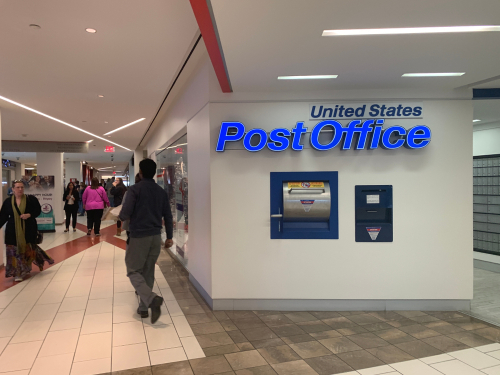

Post Office money orders have been one of the most reliable and safest payment methods available in the US for more than 150 years.
Although digital payments, like the ones you can make with Remitly, have overshadowed the humble money order over the past couple of decades, this payment method is still useful in a bunch of scenarios.
This guide covers everything you need to know about how Post Office money orders work, where and how to buy and cash them, and when they’re the best choice for sending money.
What is a Post Office money order?
A Post Office money order is a prepaid payment instrument that’s issued by the US Postal Service (USPS). You pay for them upfront and receive a paper document that guarantees payment to your nominated recipient.
Unlike checks, money orders can’t bounce because they’ve already been paid for. They’re also trackable and traceable, so they’re generally considered much more secure than cash payments.
Money order slips have security features that make them a safe way to transfer money without using electronic methods. They’re printed on uniquely patterned paper, have watermarks, and they carry tracking numbers. Depending on when and where it was issued, your money order may also feature a QR code or barcode you can use to check the status of the order.
When to use a Post Office money order
Post Office money orders work well for situations where you need to make a secure, guaranteed payment but sending money via the bank or using a remittance service isn’t an option. Even in our digital world, there are still scenarios where using a money order makes sense.
Rent and utility payments
Many landlords and utility companies will accept money orders, and some even prefer them over checks because, as we mentioned, money orders can’t bounce. This means the people you’re paying can be certain they’ll receive the funds.
On top of the benefits for the recipient, money orders have some advantages for payers. When you send a money order to your landlord or utility company, you can be sure the funds will clear. This reduces the likelihood of late fees or getting a black mark on your payment record.
Online transactions
Security is always a concern when you’re buying things from strangers online. Who hasn’t heard a story about someone who’s been scammed in an online marketplace?
Money orders make these kinds of transactions safer. They create a paper trail without exposing your bank account details to the person you’re sending money to. They’re safer than carrying cash and more likely to be accepted than a check, which makes them ideal for online marketplace purchases.
Sending money long distance
If you need to send money to family or friends in another US state but can’t use a bank transfer or a payment app, a Post Office money order is a reliable alternative.
You can mail the slip to whoever needs the funds and track its movement across the country. When the recipient gets the money order, they can cash it at any USPS or a selection of banks, credit unions, or check-cashing businesses.
International payments
The USPS used to offer international money orders that let you pay people overseas, but it stopped selling these in October 2024 and stopped cashing inbound money orders a year later. Although that’s cut out a relatively cost-effective way to send small amounts of money overseas, you don’t have to fret: with Remitly you can send funds from the US to other countries securely, and without the sometimes long waiting times involved with bank transfers.
How to buy a Post Office money order
Money orders might seem a bit strange if you’ve never used them before, but the process of buying one is actually pretty simple.
What you’ll need
Before you head to your local Post Office, you’ll need to gather a few essentials:
- Cash or debit card
- Valid photo ID (e.g. driver’s license or passport)
- Recipient’s full name and address
The USPS does not accept credit cards or checks for money order payment.
Step-by-step purchase process
There’s no minimum for money order purchases and you can buy one for as little as one cent. There is a maximum, though: you can only send up to $1,000 USD per money order, though there’s no daily limit on the number of orders you can purchase. So you can buy multiple slips to send a larger amount.
The entire process takes just a few minutes:
- Visit any Post Office during business hours (usually 9 am to 5 pm)
- Go to the counter and request a money order
- Provide the recipient’s information and your payment amount
- Pay the money order amount plus fees
- Keep your receipt for tracking and records
It’s really important that you keep the receipt you receive from the Post Office: that’s your proof of purchase, and it’s the only way to track the money order once it leaves your hands. Store it somewhere safe until you know the person you’re sending funds to has received the money order.
How to send a money order from a Post Office
Payment made, it’s time to fill out the money order and send it.
Write the recipient’s full legal name (as it appears on their identity document) in the “Pay to the order of” field and add your details in the purchaser sections to show the recipient who sent it. If you’re paying a bill, be sure to include your account number so the money is routed correctly.
After filling out all the details, consider making a photocopy for your records if you can, put it in an envelope, and deliver it to the recipient. You can do this by hand, or you can just mail it.
Where to cash a Post Office money order
When you receive a money order, you’ll need to take valid photo ID and the original money order slip to where you’d like to cash it. You’ve got a few options.
At Post Offices
Any US Post Office will honor money orders for free, which makes this a convenient and cost-effective option for getting your cash. You’ll receive the full amount on the order, too, without any deductions.
Banks and credit unions
Most banks and credit unions will cash postal money orders for their account holders.
Some banks provide this service free of charge to clients, though they may charge fees or even refuse to cash money orders for people who don’t bank with them. So it’s best to confirm this ahead of time.
Check-cashing services
Groceries, pharmacies, and dedicated check-cashing businesses also cash money orders and usually have longer opening hours than Post Offices or banks. While this is more convenient, these places usually charge a small fee based on the amount of the money order.
Post Office money order fees and refunds
The USPS charges money order senders a small fee based on the amount they’re sending. At time of writing, you’ll pay:
- $2.55 USD for orders up to $500 USD
- $3.60 USD for orders between $500.01 USD and $1,000 USD
- $21 USD processing fee for replacing lost or stolen money orders
If your money order is lost or stolen, you’ll need the original receipt to have it replaced and you’ll have to fill in form 6401 to prompt the USPS to look into it.
You can get refunds on any money orders that aren’t cashed by the recipient. All you need to do is take your receipt to the Post Office and start a Money Order Inquiry, which you can track on the USPS website. The process takes up to 60 days, though.
Post Office money orders vs. other payment methods
Post Office money orders work well in many situations, but understanding how they compare to other payment methods can help you to choose the right money transfer method for your specific needs.
Compared to bank money orders
USPS money orders cost much less to send than the ones you can send from the bank. People generally trust the USPS, too, which is why they can be cashed at so many different outlets.
That said, you might be able to send a higher amount through a bank. This could be convenient if you need to pay a recipient quite a bit more than $1,000 USD and don’t want to buy multiple orders.
Compared to cashier’s checks
There’s one big benefit that money orders offer over cashier’s checks: you don’t need a bank account to purchase them.
To write a cashier’s check, you’ll definitely need to have an account with the bank that backs it. They usually don’t have a mandated maximum limit, though, so you can send much more than the $1,000 USD limit on USPS money orders. That makes cashier’s checks better for large transactions like buying a car or making down-payments on a property, for example.
Compared to wire transfers
Post Office money orders are much less expensive than wire transfers, which can cost $35 USD or more per transaction. Although they cost more to send, wire transfers are significantly faster than postal money orders because they’re sent electronically.
Since the USPS no longer offers international money orders, a wire transfer is one of your remaining options if you want to send money across borders. You can also use Remitly, of course, to send money to recipients worldwide quickly and securely.
Tips for using money order safely
There are always risks involved in sending money, though you can overcome many of these by following smart security practices and staying alert to potential scams.
Security best practices
Follow these guidelines will help you to protect your money orders from theft, fraud, and loss across the entire transaction process:
- Look after money orders like you would if they were cash.
- Never send blank or partially filled money orders.
- Use trackable mail services when sending money orders.
- Photocopy completed money orders before mailing them, if you can.
- Keep your money order receipt.
Avoiding scams
You’ll need a little healthy skepticism and some vigilance to protect yourself from money order scams.
It’s best not to accept money orders with a higher value than the payment price. A common money order scam involves sending someone a fake order for more than the agreed amount, then asking you to cash it and wire the difference back to their account. Because it’s a falsified document, you end up being short the full amount plus the “extra” paid to you.
Be suspicious of unexpected money orders or those with amounts larger than expected. Always verify that the order is legitimate with your bank or the Post Office before providing any goods or services to the sender.
If you come across anything that seems suspicious, report it to the US Postal Inspection Service.
Make your next money order payment with confidence
US Post Office money orders offer a great combination of security, availability, and affordability. Whether you’re paying rent, sending money to family, or making purchases that require a guaranteed payment, postal orders provide peace of mind for senders and recipients.
With Post Offices conveniently located across the US, it’s easy to use this trusted payment method. Just remember to fill them out correctly and completely, keep your receipts, and store them securely before sending or cashing them.
FAQs
Can I buy a Post Office money order with a credit card?
No. The USPS doesn’t accept credit cards for money order purchases: you can only pay with cash or a debit card.
What happens if I lose my Post Office money order receipt?
It’s really difficult to replace a money order if you don’t have a receipt. It may not even be possible in some cases. You can still file a Money Order Inquiry, but the process will be way more complicated and time-consuming without your original receipt.
How long does a Post Office money order take to clear?
Post Office money orders can be cashed immediately after they’ve been issued. Unlike bank money orders, which typically take one to three business days to clear, there’s no waiting period.
Can I cancel a Post Office money order after purchase?
Yes, you can request a refund for an uncashed money order. Just head to the Post Office with your money order receipt and complete the refund request form. It will usually take a few weeks for money to get back to you.
Are there age restrictions for buying Post Office money orders?
There aren’t any specific age restrictions for sending Post Office money orders. That said, the Post Office will require a valid form of identification, so you should be prepared to provide this regardless of your age.