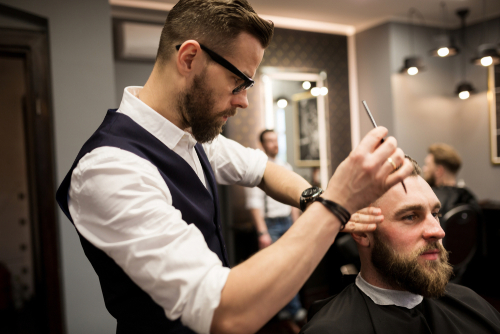

Walking out of the salon with fresh hair always feels great, but figuring out how much to tip a hair stylist can feel a little confusing. Plenty of people wonder what the usual amount is, especially since every salon is different and services can range from a quick trim to a long color session. With so many possibilities, it’s easy to feel unsure about the right way to tip your stylist.
The goal of this guide is to offer clear, easy-to-follow guidance so tipping never feels awkward or stressful. Tipping is a thoughtful way to show appreciation for good service, and it also is an important part of a stylist’s income. Many stylists spend years perfecting their craft, and a small gesture of thanks goes a long way.
In this Remitly guide, we’ll walk you through an overview of the standard tipping percentages, discuss moments when a higher or lower amount might make sense, and provide answers to some common questions. By the end, you’ll have all the information you need to feel more confident and relaxed during your next salon visit.
The standard tipping rule
The industry standard when it comes to tipping in the United States is 15%-20% of the total service cost. This guideline is widely accepted in salons of all types, from neighborhood barbershops to luxury color studios. The consistency of this range helps remove uncertainty, even when service prices vary from place to place.
How haircut tipping percentages work
For instance, a $50 haircut usually results in a tip between $7.50 and $10. A $150 color service typically leads to a tip between $22.50 and $30. These examples illustrate how percentage-based tipping adapts easily to different price points. The same range applies whether the appointment involves a trim, layers, a touch-up, or a complete change in style.
Take a look at the examples below to see how to calculate the standard 15%-20% tip for a haircut:
| Service cost | Standard tip (15%-20%) |
| $50 haircut | $7.50 to $10 |
| $100 haircut | $15 to $20 |
| $150 haircut | $22.50 to $30 |
| $180 haircut | $27 to $36 |
| $200 haircut | $30 to $40 |
Why the standard tipping range matters
Clients often appreciate the way this percentage range feels fair across different situations. It creates a dependable framework that reflects the work involved without overcomplicating the experience. The stylist’s expertise, the care taken during the appointment, and the final result all play a part in the decision, but the standard range for this profession keeps everything grounded and consistent.
This also ensures that tipping remains relatable for a wide variety of salon clients. Someone visiting a stylist for the first time can follow the same guideline as someone returning after years. Whether the visit is a quick appointment during a lunch break or a seasonal update to color and style, the same basic principle applies.
When should you tip more?
There are moments during a salon visit when a tip above the standard range feels especially appropriate. These moments usually relate to the level of care, time, or effort that went into the service. While the standard range provides a solid baseline, higher tips naturally arise in certain circumstances.
Exceptional service
A stylist might listen closely to what the client wants, offer thoughtful suggestions, provide guidance on caring for the new style, or patiently fine-tune the cut or color until the result feels perfect. These experiences often create a natural desire to express gratitude in a more generous way.
Flexibility
When a salon offers a last-minute appointment, especially during a busy time, clients often feel thankful for the accommodation. If a stylist stays late to complete a service or adjusts their schedule so the client can look their best for a special event, many people choose to tip more to reflect the extra effort.
Complex or time-intensive services
A major color correction, for example, often requires several steps and a significant number of hours. Intricate styling, such as detailed braids or a formal updo, also involves a high level of focus and technique. Services like these go beyond the standard experience and often lead clients to tip above 20% as a way to acknowledge the dedication involved.
Another situation that may prompt a higher tip is a color service that took longer than expected. If the stylist continues adjusting tones until everything looks just right, a tip around 25% can feel like an expression of genuine appreciation. The gesture acknowledges the hours of care that went into the appointment and complements the stylist’s salary if they are paid an hourly wage.
What if multiple people worked on your hair?
Many salon experiences involve more than one person. Assistants often wash hair, apply conditioner or toner, help with blow-drying, or prepare materials for the main stylist. Their contributions can play a meaningful role in the final outcome, and tipping practices reflect this shared effort.
The recommended solution is simple:
- Tip for the main stylist:
The usual 15%-20% of the total service cost. This percentage acknowledges the overall service, from consultation to finish.
- Tip for the assistant:
Typically a separate $5 to $10 tip. This smaller tip recognizes the support they provided throughout the appointment.
Many people are unsure if the tip goes straight to the assistant or through the front desk. Either option can work smoothly. Some salons distribute tips among assistants, while others prefer clients hand the tip directly to the person who helped them. If the process is unclear, the front desk is usually happy to clarify.
Offering recognition to both the stylist and the assistant creates a sense of fairness and teamwork. Many salons emphasize collaboration behind the scenes, and acknowledging everyone who contributed helps maintain a positive atmosphere.
Tipping on discounted services
Discounted services can sometimes create uncertainty about tipping. Many salons offer seasonal promotions, loyalty rewards, referral discounts, or introductory prices for new clients. Gift cards can also reduce the amount paid at checkout. These situations raise a natural question about which price to use as the basis for the tip.
How to tip when discounts apply
According to salon tipping etiquette, the simplest and most widely accepted approach is to base the tip on the original price of the service, not the discounted amount. A discount reduces the price for the client, but the stylist invests the same time and skill regardless of the discounted price. Tipping based on the original price reflects the time and skill the stylist put into the service. This approach also respects the stylist’s earnings and helps support fair compensation, especially in areas where the average cost of living is higher.
An example helps make this clear. Suppose a color and cut package usually costs $180, but a promotion lowers it to $120. The tip is calculated based on the original $180, since the stylist delivered the full service:
- Original price: $180
- Discounted price: $120
- Standard tip range (15%–20%) on original price:
- 15% tip: $27
- 20% tip: $36
Why tip based on the original price?
This amount reflects the real amount of time and effort involved and keeps the experience straightforward for everyone. Basing the tip on the original price keeps tipping consistent across different types of discounts, whether the savings come from a coupon, a gift card, or a salon promotion.
Feel confident with your next tip
Tipping a hair stylist in the United States follows a clear and consistent guideline. The standard range of 15%-20% of the full service price provides a reliable foundation for most appointments. Many clients find comfort in this range because it works for basic cuts, advanced color services, and everything in between.
A higher tip often feels right when the service involves extra time, extra care, or a level of skill that surpasses expectations. When several people contribute to the experience, a small additional amount for the assistant ensures that each person feels recognized. For discounted services, tipping based on the original price helps ensure fair compensation for your stylist, especially since tips count as taxable income.
With this understanding, clients can focus on enjoying the experience and feeling confident as they walk out of the salon. Tipping your stylist always remains a personal decision, but with these clear guidelines, you can feel more confident and prepared for your next salon visit.
FAQs
Do I need to tip the salon owner?
Older etiquette guidelines once suggested that salon owners did not expect tips, but this tradition has changed. Many owners work directly with clients and appreciate being recognized in the same way as their stylists. A tip between 15% and 20% is welcomed when the owner provides the service.
Should I tip if I am not happy with my hair?
If the final result doesn’t match expectations, a conversation with the stylist or the salon manager can help. Many salons offer adjustments or corrections at no additional cost because they want clients to leave feeling satisfied. When the outcome falls short, some clients choose to tip less or not at all. Clear communication often leads to a better understanding of what went wrong and how it can be fixed.
Is it better to tip in cash or on a card?
Both methods are common. Many stylists like cash because it reaches them immediately. Tipping on a card is equally acceptable. Salons process card tips regularly, and most front desks handle both methods with ease.
What if I can’t afford a 20% tip?
Budgets vary from person to person. Many stylists appreciate any tip that feels comfortable for the client. Even a smaller amount expresses gratitude for the service. Creative gifts, positive feedback, or returning for future appointments can also strengthen the relationship in meaningful ways.