
Interest in moving to Mexico continues to rise, driven by its vibrant culture, warm climate, and generally affordable lifestyle. While home prices are often lower than in the US or Canada, many buyers still ask the same question: how much does a house cost in Mexico in 2026? The answer largely depends on the city you choose and the lifestyle you want.
If you’re planning a move, retirement, or property investment, understanding housing costs in Mexico can help you make smarter financial decisions. That’s why we’ve created this Remitly guide to break down current housing price trends and the key factors that influence property costs.
Factors that influence housing prices in Mexico
Location
Where you choose to buy a home in Mexico has a significant impact on price. Popular tourist hubs like Cancun, Los Cabos, and Playa del Carmen tend to be more expensive due to higher demand.
Inland cities such as Mérida or San Miguel de Allende are often more affordable and appeal to buyers looking for a quieter lifestyle. Rural areas and smaller towns can cost even less while still offering rich local culture and a more peaceful way of life.
Property type
The type of home you choose also plays a big role in pricing. Modern condos in city centers or gated communities often come with higher price tags and monthly homeowners association (HOA) fees, but they usually offer added security and shared amenities.
More traditional homes, such as haciendas or fixer-uppers, may be cheaper, especially outside major tourist areas. These properties can be a good option if you’re comfortable with renovations or ongoing maintenance.
Proximity to the coast
Coastal homes are usually more expensive, especially beachfront or ocean-view properties. One way to save is by buying just a few blocks inland, where prices can drop significantly while still offering easy access to the beach.
New construction vs. resale
New builds and resale homes can vary widely in cost. Newly built or pre-construction homes offer modern features and warranties, but they may cost more and sometimes come with construction delays.
Resale homes are often easier to negotiate and allow you to assess the property’s condition upfront. Some may need renovations or repairs, so factoring these costs into your budget can help you decide which option makes the most sense.
Regional price breakdown (estimates for 2026)
If you’re exploring the best places to live in Mexico, keep in mind that housing prices vary widely by region, demand, amenities, and local market trends.
Here’s a quick comparison table of what to expect in different parts of the country:
| Region | Entry-level | Average/median | Luxury range |
| Baja Peninsula (Cabo San Lucas and La Paz) | 2.7 million to 7.2 million MXN ($150,000 – $400,000 USD) | Cabo homes: 13.1 million MXN ($727,000 USD)
La Paz homes: 5.4 million to 10.8 million MXN ($300,000 – $600,000 USD) |
18 million MXN ($1M+ USD) |
| Riviera Maya (Playa del Carmen, Tulum, Cancun) | 1.7 million to 2.5 million MXN ($94,000 – $139,000) | 4.6 million to 6.2 million MXN ($261,000 – $344,000) | 15 million to 45 million MXN ($833,000 – $2.5M) |
| Central Mexico (Lake Chapala, Ajijic, San Miguel de Allende, Querétaro) | 1.8 million to 6.1 million MXN ($100,000 – $388,000) | 9.7 million MXN ($540,000) | 18 million MXN ($1M+) |
| Emerging markets (Mérida, Oaxaca coast, smaller Pacific towns) | 1.6 million to 2.2 million MXN ($86,000 – $119,000) | 4 million to 5.2 million MXN ($227,000 – $286,000) | 11.7 million to 28.8 million MXN ($649,000 – $1.6M) |
These Mexico real estate estimates reflect 2025 data and pricing trends for 2026.
The Baja Peninsula
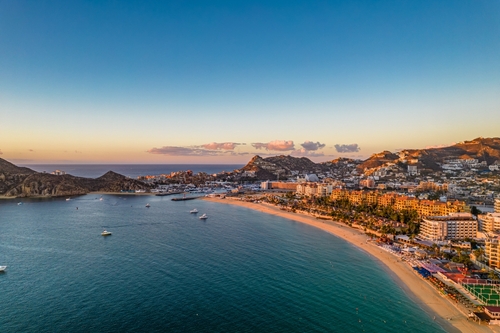
In the Baja Peninsula, especially Cabo San Lucas and nearby areas like La Paz, home prices are high due to strong tourism and demand from foreign buyers.
In Cabo San Lucas, the average home costs around 13.1 million MXN ($727,000), while condos average about 14.3 million MXN ($793,000). Luxury homes in prime coastal locations start from 18 million MXN ($1 million).
Homes in inland neighborhoods such as El Tezal are usually more affordable, with prices often 30-40% lower than beachfront properties. La Paz is generally more affordable than Cabo, though still pricier than many inland cities.
Condos in La Paz may start around 2.7 million MXN ($150,000), with family homes ranging from 5.4 to 10.8 million MXN ($300,000 to $600,000). Luxury villas can also reach 18 million MXN ($1 million) or more.
The Riviera Maya
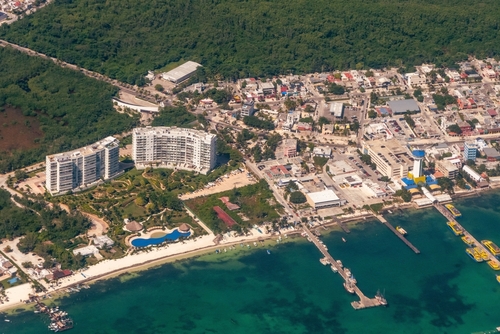
The Riviera Maya, including Playa del Carmen, Tulum, and Cancun, remains a highly active real estate market in 2026. The median home price is around 4.6 million MXN ($261,000), while the average is higher at about 6.2 million MXN ($344,000).
Roughly 80% of listings fall between 2.5 and 9 million MXN ($139,000 and $500,000). Entry-level studios and small one-bedroom units can start near 1.7 million MXN ($94,000) in select neighborhoods.
At the top end, luxury homes and beachfront penthouses range from 15 to 45 million MXN ($833,000 to $2.5 million), particularly in high-demand coastal zones.
Central Mexico
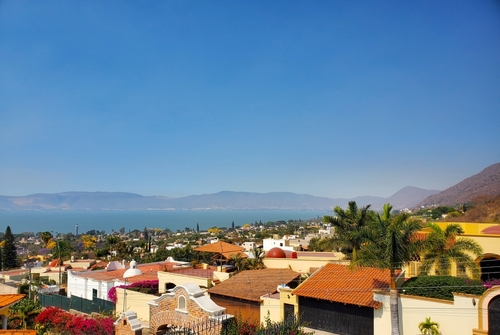
Central Mexico offers various lifestyle options, from peaceful lakeside towns to growing urban centers. Lake Chapala and Ajijic are popular with North American expats, where modest homes cost around 6.1 million MXN ($338,000). Lake-view or high-end properties can climb into the mid-six figures.
San Miguel de Allende tends to be more expensive, with average home prices around 9.7 million MXN ($540,000). Entry-level homes may start near 2.7 million MXN ($150,000), while luxury properties often exceed 18 million MXN ($1 million).
Querétaro stands out for its strong economy and better value. Quality single-family homes often start around 1.8 million MXN ($100,000).
Emerging markets
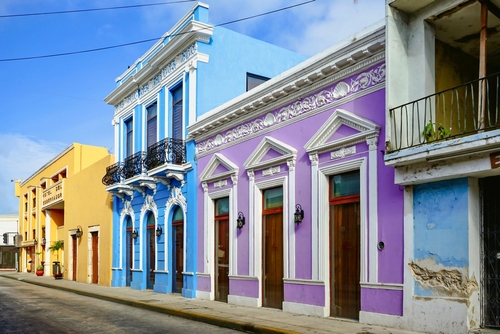
Several emerging markets across Mexico offer more accessible entry points while still benefiting from tourism and long-term growth.
In Mérida, a colonial city in the Yucatan Peninsula, the median home price is around 4 million MXN ($227,000), with averages closer to 5.2 million MXN ($286,000). Most homes sell between 2.2 and 8.8 million MXN ($119,000 and $486,000), and entry-level options may start as low as 1.6 million MXN ($86,000).
Luxury homes in gated communities range from 11.7 to 28.8 million MXN ($649,000 to $1.6 million). Inland areas and less crowded coastal zones, such as parts of the Oaxaca coast or smaller Pacific destinations, may offer lower entry prices. This makes them attractive to buyers who want to keep the overall cost of living in Mexico manageable.
Additional costs to consider when buying
When buying a property in Mexico, the purchase price is only the beginning. You’ll also need to budget for the following additional costs:
Closing costs
Closing costs in Mexico are usually higher than in many other countries. They usually range from 5% to 7% of the purchase price, though in some areas they can reach 8% to 10%, depending on the location and deal specifics.
These costs generally include transfer taxes, notarization, registration, and other legal and administrative fees that are standard in Mexican real estate transactions.
Notary fees
The Notario Público (government-appointed legal officer) plays a central role in Mexican property purchases. The notary verifies the title, drafts contracts and deeds, collects taxes, and registers the transaction with the public registry.
Notary fees typically range from 0.75% to 2% of the property’s value, depending on the state, property price, and transaction complexity.
Taxes
Property purchases in Mexico come with several tax obligations:
- Acquisition tax (ISAI/ISABI): This one-time transfer tax is charged by the state or municipality when ownership changes hands. It ranges from 2% to 4.5% of the assessed or contract value, depending on location.
- Annual property tax (predial): After purchase, homeowners pay an annual property tax to the local municipality. Predial rates are relatively low compared to many Western countries, often ranging from 0.05% to 1.2%, depending on the municipality and whether the property is residential or commercial.
Fideicomiso (bank trust)
A Fideicomiso is a Mexican bank trust that lets foreigners own properties in restricted coastal and border areas. Foreign buyers purchasing property within the “restricted zone,” which is within 50 km (31 miles) of the coast or 100 km (62 miles) of an international border, have to use a Fideicomiso or bank trust.
Under this arrangement, a Mexican bank holds the legal title on your behalf, while you retain full rights to use, sell, lease, or pass on the property, similar to direct ownership.
Setting up a Fideicomiso involves a few key costs:
- One-time setup fees: Usually around 18,000 to 45,000 MXN ($1,000 to $2,500), depending on the bank and transaction complexity.
- Annual maintenance fees: Typically around 9,000 to 18,000 MXN ($500 to $1,000) per year for trust administration.
The buying process for foreigners
Buying property in Mexico as a foreigner is straightforward once you understand the steps involved.
Step 1: Find a property and make an offer
Once you find a home you like, you make an offer, which can be verbal or written.
Step 2: Sign the promissory agreement
If the seller accepts your offer, both parties sign a Contrato de Promesa. This document outlines the agreed price, timeline, and sale conditions.
Step 3: Pay the deposit
You’ll usually pay a deposit of about 5% to 10% of the purchase price to secure the property.
Step 4: Set up a Fideicomiso (if required)
If the property is located in a restricted zone, you’ll need to set up a bank trust.
Step 5: Get approval from the Ministry of Foreign Affairs
After setting up the Fideicomiso, apply for approval from the Ministry of Foreign Affairs. This approval is mandatory if you’re buying property in Mexico as a foreigner. It includes your personal details, property information, and trust documentation.
Step 6: Complete legal checks and approval
The bank finalizes the trust and checks all legal documents. This ensures the property is free from debts or legal issues and ready for sale.
Step 7: Close the sale
Sign the final deed (Escritura Pública) in front of a Notario Público, make the final payment, and cover any remaining closing costs. The notary then registers the property, officially transferring ownership to you.
While a real estate agent assists with the sale, hiring a trusted attorney is highly recommended. Your attorney handles due diligence, verifies the property title, checks for liens or unpaid taxes, reviews contracts, and ensures the transaction complies with Mexican law.
Financing options
Financing options for foreigners in Mexico are more limited than in North America, which is why many buyers choose to pay in cash. Some Mexican banks and international lenders do offer mortgages, but they often come with higher interest rates, larger down payments, and stricter qualification requirements.
Many buyers instead use personal savings, proceeds from selling property abroad, or alternative financing arrangements to complete their purchase.
Buying a house in Mexico is entirely achievable with the right preparation. Location has the biggest impact on pricing, and budgeting for additional costs is essential. When you understand these factors upfront, the buying process is generally straightforward and helps you avoid surprises and make confident decisions.
While purchasing property abroad can feel intimidating at first, many foreign buyers do it successfully every year. Begin your research early, work with trusted local professionals, and spend time visiting different regions. This approach gives you the best chance to find a home that matches both your budget and lifestyle.
FAQs
Can foreigners own land in Mexico?
Yes, foreigners can own property in Mexico. Outside restricted zones, you can hold property directly in your name. In coastal and border areas, ownership is handled through a Fideicomiso (bank trust), which lets you enjoy full ownership rights while the bank holds the legal title.
Is it safe to buy property in Mexico?
Buying property in Mexico is safe when you follow the proper steps. The key is working with a reputable real estate agent, a qualified real estate attorney, and a Notario Público. Conducting full legal checks before closing helps minimize risks and ensures a smooth transaction.
How much does a house cost in Mexico in 2026 for a retiree?
A comfortable retirement home in 2026 costs between $150,000 and $300,000, depending on the location. This budget can cover a well-maintained condo or small house in cities like Mérida, La Paz, or Lake Chapala.
Are there hidden fees when buying real estate in Mexico?
There are no hidden fees, but buyers should plan for additional costs. Closing costs add 5% to 10% of the purchase price and cover taxes, notary fees, and Fideicomiso setup if needed.