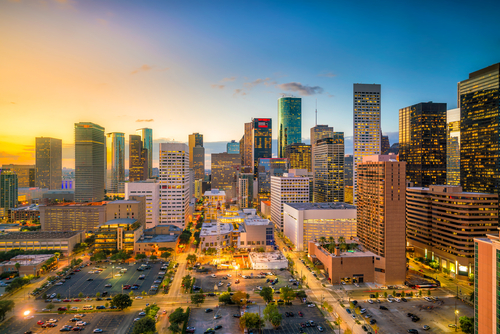

Houston and Miami offer two very different ways of life. While both are major American cities with international influence, diverse populations, and strong economies, comparing life in Houston vs. Miami means navigating sharply contrasting day-to-day experiences. Housing costs, climate, culture, and potential career paths all vary between the two cities.
If you’re thinking about relocating within the U.S. or moving from abroad and trying to decide which city to call home, this guide is for you. At Remitly, we believe in making it easier to travel and live wherever you’d like—and that means being prepared before you set off.
In this guide, we’ll break down the key differences between Houston and Miami. We’ll look at housing affordability, employment prospects, climate, and the overall vibe of each city. Whether it’s Texas’s economic potential or Florida’s sun-soaked, multicultural energy that appeals to you, this guide will help you make the right choice.
Cost of living in Houston vs. Miami: Texas value vs. Florida sun
Let’s start with one of the most important aspects for anyone considering a move. The cost of living has a huge impact on your overall quality of life. Comparing the cost of living in Houston to that of Miami can help you understand how far your money will stretch.
The truth is, Houston is noticeably cheaper than Miami across most major expense categories. That includes housing, everyday costs like groceries and transportation, and many services.
Housing costs
For most of us, housing is our largest fixed expense. A major factor in the cost-of-living difference between Houston and Miami is Florida’s higher housing prices. For example:
- Apartments: Around $1,181 per month in Houston vs. $2,194 in Miami—46% cheaper in Houston.
- Townhomes: About $1,245 per month in Houston vs. $2,775 in Miami—a 55% difference.
- Home prices: Average home in Houston costs $417,000 vs. $710,000 in Miami—a 41% difference.
Effectively, this means that you can get a much larger or better-located house in Houston for the same amount of money that you would spend in Miami. Miami’s real estate market is highly competitive, especially in popular neighborhoods near the beach—and that simply drives prices upward. Affording the home of your dreams will likely require a significantly higher income in Miami than in Houston.
Everyday expenses
While housing is the biggest cost difference between Houston and Miami, it’s not the only factor that affects your budget. Day-to-day expenses like groceries, utilities, and transportation also tend to be higher in Miami.
- Groceries: In general, expect to spend 6% to 30% more on food in Miami than in Houston. Prices vary by item, and occasional sales can help, but overall, groceries in Miami are more expensive.
- Utilities: Miami’s longer hot season means you’ll run your air conditioning for more of the year, which increases electricity costs. Utilities are typically higher in Miami for this reason.
- Transportation: Gas is cheaper in Texas than in Florida, often by $0.30 to $0.40 per gallon. State taxes also contribute to this difference.
When you add it all up, everyday life in Miami can cost 18 to 25% more than in Houston. And once you factor in housing, the total can climb to nearly 40%.
That said, your personal lifestyle will also affect your expenses. For example, Houston’s urban sprawl can lead to longer commutes and more time in the car, potentially offsetting the gas savings. And while Houston remains more affordable overall, rising housing costs may narrow the gap in the future.
Taxes
One thing both states have in common is a big perk: neither Florida nor Texas has a state income tax. That’s great news, no matter which city you choose.
But other taxes still apply, and the way they’re structured can impact your budget differently depending on where you live.
- Property taxes: Despite lower home prices, Texas generally has higher property tax rates than Florida. This means that even in a more affordable home, you might end up paying more in annual property taxes in Houston than in Miami.
- Sales tax: Rates are fairly similar. In Florida, combined state and local sales taxes can reach up to 7%, while in Texas, they can go as high as 8.2%.
Job market and economy
A dollar saved is a dollar earned—but savings only go so far if your income doesn’t match. While it’s essential to compare the cost of living, it’s equally important to consider the local job market and economy. Living somewhere cheaper won’t help much if it’s harder to find a good-paying job.
The good news is: both Miami and Houston have strong, growing economies. However, the industries driving employment differ between the two cities. Depending on your background and skills, one city may be a much better fit than the other.
Houston’s economy
Houston’s economy is anchored by the energy sector, particularly oil and gas. The Houston Energy Corridor is home to dozens of multinational energy companies and supports tens of thousands of jobs in the region.
Beyond energy, Houston is also a major healthcare hub. The Texas Medical Center—the largest medical complex in the world—offers strong job opportunities for doctors, nurses, researchers, and support staff.
The city is also known for its connection to aerospace and high-tech industries, thanks to its long-standing relationship with NASA’s Johnson Space Center.
Looking ahead, Houston’s job market is expected to keep growing, with projections showing more than 30,000 new jobs added in 2026 alone.
Miami’s economy
Miami is a global hub for international trade and finance—often called the gateway between the U.S., Latin America, and the rest of the world.
As you might expect in Florida, tourism is also a major driver of the local job market. Hotels, restaurants, and entertainment venues attract millions of visitors each year and support tens of thousands of jobs.
In addition, Miami is a growing center for media and creative industries, including film, television, and digital content.
The city has also gained momentum as a tech and startup hub, particularly for companies targeting Latin American markets. In fact, the Miami area added more than 40,000 jobs last year, outperforming the national average.
Both cities offer strong employment prospects, but your choice may come down to the industry you work in—and where your skills are most in demand.
Texas vs. Florida lifestyle
Job prospects and cost of living are key factors when deciding between living in Houston and Miami. But just as important are the lifestyle and cultural differences between the two cities—and those can play a big role in where you feel most at home.
Atmosphere
With its sprawling neighborhoods, relaxed dress codes, and steady, hard-working pace, Houston offers a lifestyle centered around work, family, food, and sports. It’s a city that prizes practicality and community.
Miami, on the other hand, is known for its faster-paced, beach-focused, and image-conscious vibe. Here, fitness, fashion, and outdoor living play a central role in daily life.
Diversity
Both Houston and Miami are very diverse cities, but the way that diversity shows up is a bit different.
Houston is one of the most ethnically diverse major cities in the U.S. No single group makes up a majority of the population, and the city’s mix of Hispanic, Black, White, Asian, and other communities creates a dynamic cultural landscape. A large portion of Houston’s residents were born outside the U.S., contributing to a rich blend of languages and traditions.
Miami is also highly diverse, but it’s particularly known for its strong Latin American and Caribbean influence. Around 70% of Miami’s population identifies as Hispanic or Latino, which shapes the city’s everyday culture, food, language, and social life. Spanish is widely spoken alongside English in many neighborhoods and businesses.
Both cities offer multicultural experiences, but if a strong Hispanic and Latin American cultural influence is high on your list, Miami stands out—while Houston’s diversity shows up in broader ethnic mixing and an especially large foreign‑born population.
Food
Food is a big part of life—and in both Houston and Miami, it’s also a cultural celebration.
Houston is known for its bold, flavorful mix of Tex-Mex, barbecue, and Viet-Cajun cuisine—a unique fusion of traditions you won’t find anywhere else. The city’s global diversity is reflected in its food scene, from street tacos and pho to smoked brisket.
Miami, by contrast, brings the flavors of the Caribbean to the forefront. Think Cuban coffee, fresh seafood, arepas, and plantain-based dishes. Its Latin American influence shapes everything from neighborhood bakeries to fine dining.
Both cities are vibrant and delicious places to live, but the flavors, like the cultures, are unmistakably distinct.
Climate and geography
While both cities are in the southern U.S. and share a warm climate, their environments feel very different. From weather patterns to access to water and green spaces, Houston and Miami each offer a distinct version of outdoor living.
Weather patterns
Miami has a tropical monsoon climate, with hot, humid summers and mild, warm winters. Temperatures rarely drop very low, making it ideal for those who enjoy year-round outdoor living.
Houston, by contrast, has a humid subtropical climate. Summers are similarly hot and humid, but winters tend to be cooler than in Miami. Snow is still rare, but you’ll see more seasonal variation in Texas than in South Florida.
Hurricanes
Both cities experience hurricane season from June through November. While this may sound intimidating, it’s a regular part of life in both regions—and local governments and communities are well prepared. Strong building codes, early warning systems, and evacuation plans help keep residents safe.
Hurricanes should be taken seriously, but with preparation and awareness, they’re a manageable part of living in these areas—and they shouldn’t deter you from moving to Houston or Miami.
Outdoor access
Where you live can shape how you live. Moving to Miami offers easy access to the Atlantic Ocean, white-sand beaches, and water activities like boating, paddleboarding, and snorkeling—making the outdoors central to everyday life.
While Houston isn’t on the coast, it still offers plenty of green space. The city is built around a network of bayous and parks, and it’s just a short drive to the Gulf Coast. Whether you’re into hiking, biking, or simply being outside, both cities make it easy to enjoy time outdoors—just in different ways.
Making your move with confidence
Choosing between living in Houston or Miami isn’t just about cost—it’s also about the lifestyle that feels right for you. Houston offers more affordability, while Miami draws people in with its beach culture and international energy.
If you’re still deciding, try to visit both cities if you can. If that’s not possible, joining local community groups online can be a great way to hear directly from people who live there.
Whichever city you choose, both offer exciting opportunities, diverse communities, and a great quality of life. With a bit of research and reflection, you’ll be ready to make a confident move—and settle into a place that truly fits your goals.
And when it’s time to start your next chapter, Remitly makes it easy to send money securely from the U.S. to loved ones back home—wherever you decide to live.
FAQs
Is it cheaper to live in Houston or Miami?
Yes, Houston has a significantly lower cost of living than Miami. The biggest difference is in housing: rent in Houston can be 40–50% lower than in Miami.
Do I need a car in these cities?
In Houston, a car is almost essential due to the city’s size and layout. Miami has a more developed public transit network, but most people still rely on cars for day-to-day travel.
Which city is better for families?
Houston’s suburban feel and lower cost of living make it a popular choice for families. Miami is more fast-paced, but it offers rich cultural experiences, year-round sunshine, and easy access to beaches and outdoor fun, which many families also appreciate.
How far apart are Houston and Miami?
The two cities are over 1,000 miles apart. Driving takes about 17 hours, depending on traffic, while a direct flight takes around two hours.