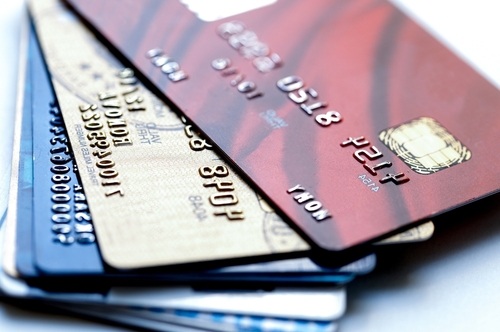

Credit cards are something many of us use every single day. And if someone describes something as being credit card size, you’d probably have a very good idea of what that means. But what is the standard size of a credit card—and why does it matter?
At Remitly, we’re all about making financial standards easier to understand. In this guide, we’ll break down the standard credit card dimensions, explore international variations, and explain why knowing these measurements can be more useful than you might think.
Standard credit card dimensions
Most credit cards, no matter where you are in the world, follow the ISO/IEC 7810 ID-1 standard. This international specification defines the official credit card dimensions used by banks, payment networks, and card manufacturers.
The ID-1 standard is also used for many ID cards, and it covers more than just size. It also sets specifications for a card’s resistance to bending, chemicals, temperature changes, humidity, and heat.
Under this standard, a credit card measures 3.37 inches long by 2.125 inches wide, with a thickness of 0.03 inches. The electronic chip also follows strict rules: it must be 0.71 inches tall and 0.51 inches wide, positioned 0.34 inches from the left edge of the card, and exactly 1 inch from the top of the card.
These dimensions weren’t chosen at random. They strike a balance that allows credit cards to be portable enough to fit comfortably in a wallet or pocket, yet durable enough to hold up through countless swipes, taps, and transactions.
Why are credit card sizes standardized?
Most of us rarely think about the size of a credit card, but the standard behind it plays a huge role in how we pay. A single global format makes everyday transactions possible. It ensures that your card works abroad in exactly the same way it does at home.
Because billions of credit card transactions happen every day, consistency is essential. When all cards follow the same measurements, they can be read by payment terminals and ATMs built by thousands of manufacturers around the world.
These rules come from the International Organization for Standardization (ISO). The ISO sets technical guidelines that industries use worldwide. For payment cards, this includes everything from card dimensions to magnetic stripe placement, chip positioning, and thickness. The goal is simple: every certified card should be readable by every certified machine.
Without this system, a card issued in Europe might not fit a card reader in the United States, or your bank card from Asia might not be readable by an ATM in Australia. Standardization avoids all these problems and keeps global payments simple.
Benefits of universal credit card dimensions
Credit cards need to work with lots of different systems. You use them at ATMs, point-of-sale terminals, transit gates, access systems, banking kiosks, and more. Standardized measurements make it possible for all these machines to read cards reliably and keep payments running smoothly.
This consistency doesn’t just help payment devices. It also benefits the designers and manufacturers of everyday items we use all the time, such as:
- Wallets and cardholders
- Phone cases with built-in card slots
- Protective card sleeves
- Travel accessories and organizers
All of these products are created using the exact ISO dimensions, which means you can buy a wallet anywhere in the world and know your cards will fit.
Credit card size variations around the world
So, we just said that credit cards follow a standard size, most commonly the ISO/IEC 7810 ID-1 standard. Major credit card networks like Visa, MasterCard, and American Express stick to these standard dimensions so your card works with payment terminals worldwide. After all, one of the main benefits of credit cards is being able to travel easily without carrying large sums of cash.
That said, you may still come across minor differences in how cards are made. For example, some countries issue government-linked payment cards that use different materials or manufacturing techniques. This can lead to small variations in:
- Card flexibility
- Edge finishing
- Durability
These variations usually come from local production methods rather than intentional changes to card size. Even then, the cards typically remain close enough to ISO standards to stay compatible with global payment systems.
Many banks also offer specialty or premium cards. Metal cards, for instance, may differ slightly in how they feel and handle. They can vary in:
- Weight (often heavier than plastic cards)
- Thickness
- Rigidity (they’re usually less flexible)
Although these cards can occasionally cause issues with older ATMs or swipe readers, their height and width are still standard, so they’re generally accepted in the same payment terminals as plastic cards.
Chip and PIN card specifications
Chip placement is important, especially as tap-to-pay becomes more common. These electronic chips follow the EMV standard, developed by Europay, MasterCard, and Visa. Chip and PIN cards offer increased security over the old method of signing for your purchases. They’re standard in regions like:
- Europe
- Canada
- Australia
- India
They’re less common in the United States, South America, and parts of Asia, but usage is increasing every year.
For a chip to be readable, it has to follow EMV guidelines not only for size and placement, but also for the way it communicates with payment terminals.
Practical applications of knowing credit card size
Credit card size isn’t something most people think about, but it has several practical uses. For starters, designers and manufacturers of wallets and card sleeves rely on precise credit card dimensions to make sure their products fit correctly.
For businesses, accurate card measurements matter when choosing or upgrading payment terminals. Knowing allowable tolerances helps prevent issues like:
- Cards sticking or getting jammed
- Misreads caused by improper alignment
- Cards failing to sit correctly in chip readers
Banks and card issuers also rely on standard sizing when creating new or innovative card designs. Even when offering metal or specialty cards, they need to stay within the standard specifications so every card can be read by global payment systems.
In everyday life, understanding credit card size can help you anticipate which cards might work best when you travel. This is especially helpful if you carry metal or premium cards. While they generally work the same as plastic cards, some older ATMs are sensitive to card rigidity.
Credit card thickness and material standards
As mentioned earlier, ISO/IEC 7810 specifies a thickness of 0.03 inches for credit cards. This standard ensures that cards are flexible enough to bend slightly without cracking, but still rigid enough to withstand frequent use.
Materials
Most cards are made from PVC (polyvinyl chloride). This is a durable and cost-effective material that maintains consistent credit card dimensions. PVC allows:
- Precise shaping
- Clear printing
- Reliable placement of magnetic strips and EMV chips
However, alternative materials are becoming more common, particularly in premium cards. Metal cards made from stainless steel, aluminum, titanium, or alloys add weight and rigidity while maintaining standard height and width. Because they’re heavier and less flexible, metal cards can:
- Feel thicker even when they meet the 0.03-inch requirement
- Occasionally cause problems in older ATMs or swipe readers
Fortunately, most modern card readers handle metal cards with no issues.
Eco-friendly materials are also emerging. Options like bioplastics, recycled PVC, and PLA composites can also follow ISO specifications but may show minor differences in flexibility and edge finish.
Structural integrity
ISO guidelines require that cards retain their structural rigidity after repeated flexing, exposure to moderate heat, and long-term use. Manufacturers must balance strength and flexibility, especially when experimenting with new materials, to make sure cards hold up in real-world use.
Different manufacturing techniques
Manufacturing methods can influence how a card feels or interacts with payment hardware. For example:
- Embossed cards (with raised letters and numbers) were once standard because imprint machines required them. These raised characters added slight surface height.
- Flat-printed cards are now more common. They offer cleaner designs and are easier to use in modern systems that rely on chip and contactless payments.
However, embossed cards are still in circulation, showing that most ATMs and card readers allow for small variations in card thickness.
Key takeaways on credit card standards
Credit card dimensions might seem like small details, but they’re crucial for global compatibility and reliable use. Thanks to ISO/IEC 7810 standards, your card will fit into ATMs, card readers, point-of-sale devices, and accessories around the world.
Whether you’re a traveler, a business wanderer, or just using your card at home, these standards ensure that payments are seamless, terminals are compatible, and your card works almost anywhere.
FAQs
Are all credit cards the same size?
Nearly all credit cards follow the ISO/IEC 7810 standard, measuring 3.37 inches x 2.125 inches with a thickness of 0.03 inches. While some cards may be slightly thicker, it is usually a small difference to ensure they’re compatible with card readers around the world.
Why do some cards feel thicker than others?
While most cards follow the 0.03 in thickness standard, raised characters or embossing can make a card feel slightly thicker, and metal cards often feel thicker due to weight and rigidity, even if they meet the standard dimensions.
Do debit cards have the same dimensions as credit cards?
Yes, debit cards, bank cards, and ID cards all follow the same sizing standards as credit cards.
How does credit card size compare to a driver’s license?
Most driver’s licenses, particularly in the US, Canada, and the EU, use the same ISO standards as credit cards. This means they can be used in ID scanners, card readers, and other equipment without compatibility issues.