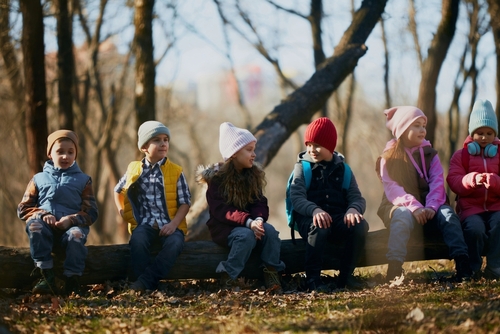

Picture children building a shelter from fallen branches. They work together, negotiate tasks, and problem-solve in real time. Rain or shine, they are outside. Nature is their classroom. This is the reality of a Forest School.
Outdoor learning is capturing global attention. Parents and teachers see children gaining confidence, resilience, and essential life skills through nature-based education. Traditional classrooms offer structure, but outdoor environments offer boundless opportunities for hands-on discovery.
Sending your child to a new type of educational program can feel like a big step. Knowing how these programs operate brings peace of mind. This comprehensive guide explains what Forest Schools are, how they keep children safe, and why this educational model is growing. Whether you are a parent considering enrollment or an educator looking to expand your curriculum, you will find the answers you need here.
What Is a Forest School?
A Forest School is a specialized learning approach that takes place in a woodland or natural environment. It prioritizes regular, long-term outdoor experiences over occasional field trips.
The concept originated in Scandinavia in the 1950s. Educators there noticed that children who spent time learning outdoors showed better social skills and physical health. The model later spread to the UK in the 1990s and is now a global movement.
Unlike traditional outdoor education, which often focuses on specific skills like rock climbing or survival tactics, a Forest School is deeply child-led. Children choose what to explore. They learn at their own pace in a natural setting.
Key Principles of Forest Schools
Forest Schools operate on a set of core principles designed to support healthy child development.
Regular, repeated access to nature
Children visit the same natural space frequently. This builds a deep, comfortable relationship with the environment across different seasons.
Child-led learning and play
There is no rigid syllabus. If a child wants to inspect bugs under a log for an hour, they can. This autonomy fosters a genuine love for learning.
Supported risk-taking
Children are encouraged to take managed risks. They might climb trees or use tools under close adult supervision. This builds incredible resilience and self-trust.
Holistic development
The focus is not just on academics. Programs nurture social, emotional, physical, and cognitive growth equally.
Qualified leadership
Trained Forest School leaders facilitate the sessions. They observe the children carefully and introduce new challenges only when a child is ready.
The Proven Benefits of Forest Schools
Research shows that outdoor learning provides immense benefits. Here is how nature-based education supports a child’s growth.
Emotional and Mental Health
Time in nature lowers stress. Children in Forest Schools often show reduced anxiety and increased self-esteem. They learn to trust their own abilities through independent exploration.
Social Skills
Building a den or moving a heavy branch requires teamwork. Children quickly learn to communicate clearly, share ideas, and develop empathy for their peers.
Physical Development
Navigating uneven terrain improves balance and coordination. Outdoor play builds physical strength and fine motor skills much faster than sitting at a desk.
Academic and Cognitive Growth
Nature provides endless puzzles. Figuring out how to stop a muddy puddle from draining teaches basic engineering and physics. Creativity and focus naturally improve.
Connection to Nature
Children who spend time outdoors grow up to care about the environment. They develop a strong sense of environmental awareness and stewardship.
What Happens in a Typical Forest School Session?
You might wonder what a typical day looks like. Forest School sessions follow a gentle, predictable routine to help children feel secure.
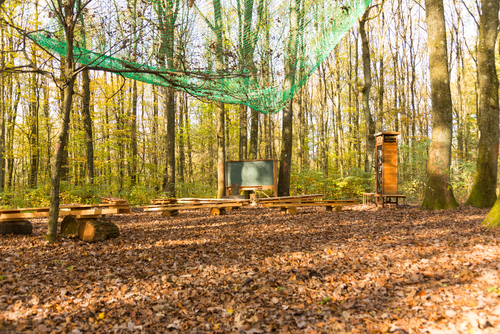
The day usually begins with a group check-in around a central meeting point, like a fire circle. The leader sets safety boundaries for the day.
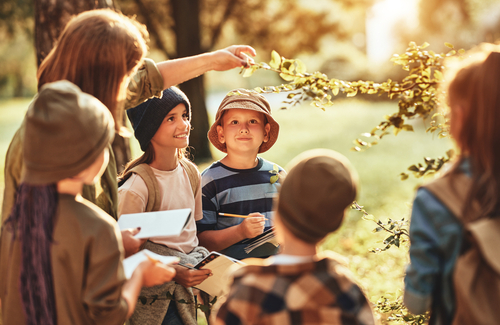
Next comes free exploration. Children might engage in den building, supervised tool use, or imaginative play. The adults step back. They observe and only intervene to ensure safety or to gently extend a child’s learning.
Sessions often end with reflection time. The group gathers again to share what they discovered, eat a snack, and prepare to go home.
Forest School vs Traditional Schooling
Forest Schools and traditional schools have different goals, but they work well together.
Traditional schools focus on structured curriculums and standardized outcomes. Forest Schools focus on the learning process itself. A common misconception is that Forest School is “just playing outside.” In reality, it is highly intentional play that builds the foundational skills required for future academic success.
Many traditional schools now incorporate Forest School sessions into their weekly schedules. This gives students the best of both worlds.
Who Runs Forest Schools?
Safety and trust are paramount. Forest Schools are run by certified professionals.
These leaders undergo rigorous training. They learn outdoor first aid, risk assessment, and child development theory. They know exactly how to assess a woodland area for hazards before the children arrive.
Adult-to-child ratios are kept intentionally low. This ensures every child receives the attention and supervision they need to explore safely.
Where Are Forest Schools Found?
You can find Forest Schools all over the world. They are highly popular in the UK, Europe, and North America.
They exist in various forms. Some are standalone private kindergartens. Others operate as weekly programs within public schools. Community groups and nature centers also frequently host weekend or after-school Forest School clubs.
How Parents Can Get Involved
Finding the right educational fit for your child is important. If you want to explore this option, start by searching local directories for certified nature schools in your area.
When you find a program, ask questions to ensure you feel confident. Good questions include:
- What qualifications do your leaders hold?
- How do you manage safety and risk?
- What is your policy for extreme weather?
You can also support nature-based learning at home. Encourage your child to play in the dirt, climb small rocks, and explore local parks without interrupting their imaginative play.
How to Start a Forest School
Educators looking to start a Forest School face a rewarding challenge.
First, you need a suitable location. This could be a local woodland, a section of a public park, or even a wild corner of a school playground. You must secure permission to use the land.
Next, invest in proper training. A Level 3 Forest School certification is standard in many regions.
Start small with equipment. You need basic safety gear, a first aid kit, and some simple tools. The environment itself provides most of the resources. Focus on observing the children and letting their interests guide your planning.
Challenges and Criticisms
No educational model is without challenges.
Weather is the most common concern. Forest Schools operate year-round. The rule of thumb is: there is no bad weather, only bad clothing. Proper waterproof gear is essential.
Safety is another concern for parents. However, rigorous risk assessments keep injury rates incredibly low.
Cost and accessibility remain barriers. Private programs can be expensive. Fortunately, more public schools are adopting these methods, making outdoor learning accessible to more families.
Real-World Impact: A Case Study
Consider the story of a five-year-old boy named Leo. In a traditional classroom, Leo struggled to sit still. He was easily frustrated and had trouble making friends.
His parents enrolled him in a local Forest School. In the woods, Leo’s high energy was an asset. He became the group’s lead “explorer,” scouting out the best branches for building forts. Over six months, his parents noticed a massive shift. Leo was calmer at home. He communicated his feelings clearly and had made several close friends. The outdoor environment gave him the space he needed to thrive.
Frequently Asked Questions (FAQs)
Is Forest School safe?
Yes. Safety is a top priority. Programs are run by certified professionals trained in risk management and outdoor first aid. Children are taught how to safely interact with their environment.
What age is it suitable for?
Forest Schools are most common for early years and primary-aged children (ages 3 to 11). However, the principles can be adapted for teenagers and even adults.
Do children still meet academic standards?
Yes. Children develop strong problem-solving and focus skills outdoors. These traits transfer seamlessly to traditional academic settings, often improving their overall school performance.
What should kids wear?
Comfort and protection are key. Layered clothing, waterproof jackets, rain pants, and sturdy waterproof boots are essential. Clothes will get dirty, and that is completely fine.
Key Takeaways
- Child-led learning: Children choose their activities, which builds independence and a love for learning.
- Holistic growth: Outdoor education improves emotional, physical, and social well-being.
- Safety first: Certified leaders carefully manage risks and maintain low adult-to-child ratios.
- Complementary approach: Forest Schools work alongside traditional education to build well-rounded, resilient children.
Why Forest Schools Matter Today
Children today spend more time on screens and less time outdoors than any previous generation. Forest Schools offer a vital counterbalance. They reconnect children with the natural world.
Providing a safe, supportive environment for outdoor exploration gives children the tools they need to navigate life’s challenges. If you are a parent, look up a local program and arrange a visit. If you are an educator, consider taking your next lesson outside. Nature is ready to teach.