
Key Highlights
- Sumerian cuneiform is the oldest known writing system, and it started in the Ancient Near East during the 4th millennium BC.
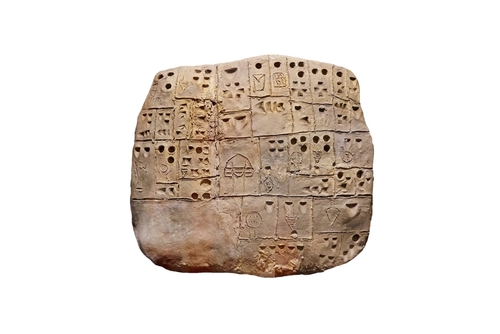
- It was made by the ancient Sumerians, and at first, this cuneiform writing used pictographs on a clay tablet.
- Later, this writing system changed to use wedge-like marks that people made with a stylus. That is where the word “cuneiform” came from.
- People used cuneiform tablets for many things. This includes keeping records for work and for old stories.
- This new writing system was used for thousands of years and went on to shape many other cultures.
- The decipherment of cuneiform in the 19th century helped people find out about the history of the ancient Sumerians.
Introduction
Have you ever thought about how people began to write things down? It all began in the Ancient Near East. The Sumerians were the first to come up with a writing system. They made the world’s first writing system, known as cuneiform. This writing system was made for the Sumerian language. The Sumerian language is a language isolate, which means it does not have any known relatives. For many years, people used this way of writing on clay to record daily life, laws, and stories. This became the starting point for every other form of written communication that came after.
Origins and Historical Context of Sumerian Cuneiform
Sumerian cuneiform started in southern Mesopotamia, which is now in Iraq, near the end of the fourth millennium BC. It is the earliest writing system that we know about. This makes it very key in ancient history. The ancient Sumerians of Mesopotamia made this writing to help manage their busy lives and complex rules.
This new way to write was a big step for all people. Now, they could record facts correctly, which was not possible before. Cuneiform tells us how the ancient Sumerians kept track of their goods, their trade, and the things that happened in their lives. By studying this system, we get to see what life was like back then. Let’s look at why people needed to write things down and how the script changed over time.
Early Sumerian Civilization and the Need for Writing
The early Sumerian civilization was full of different jobs and things to do. As cities grew and trade in the ancient Near East picked up speed, handling goods and resources got tough. The ancient Sumerians soon saw that their spoken language and the way they remembered things could not handle it all.
Because life got more tricky, there was a big need for writing. They had to make a sure way to note down deals, keep count of livestock, and run their new city-states. This need to be organized is what pushed them to come up with writing.
In the beginning, the Sumerians used clay tokens to show what goods they had. These clay tokens were the first move to something better. As time went on, these small items turned into written symbols. This was a big step in how people passed on information and kept records.
Timeline: From Pictographs to Wedge-Shaped Script
The journey from simple pictures to a complex script took centuries. The development of cuneiform began in the 4th millennium BC with pictographs, which were simple drawings of the objects they represented. These early symbols were inscribed on clay tablets.
Over time, these pictographs became more stylized and abstract. Scribes began using a reed stylus to press wedge-shaped marks into the clay, which was quicker than drawing detailed pictures. This led to the characteristic wedge-shaped script we know as cuneiform. By about 3,000 BC, the direction of writing shifted from vertical columns to horizontal lines of text, read from left to right.
This timeline illustrates the key stages in the evolution of the script.
| Stage | Approximate Date | Characteristics |
|---|---|---|
| Proto-Cuneiform | c. 3300 BC | Use of pictographs and symbols on clay tablets to represent goods. |
| Early Cuneiform | c. 3000 BC | Symbols become more stylized and wedge-shaped. Writing direction changes. |
| Developed Cuneiform | c. 2800 BC | The script begins to represent sounds (phonograms) and abstract concepts. |
Invention and Development of the Cuneiform Writing System
The cuneiform writing system did not start all at once. Its early roots go back to about 8,000 BC when people used clay tokens for trade. But the first real texts that show the start of a true writing system are from the city of Uruk, around 3,300 BC.
People made this new writing system to write in the Sumerian language. This language is special because it is a language isolate, which means it does not belong to any other language group. The rise of cuneiform writing was an important time in human history. It changed the way people kept records and shared ideas. The following parts will show how this script grew over time and point out some big steps and new ideas along the way.
The Evolution from Pictographs to Abstract Symbols
The cuneiform script started with pictures. These were simple drawings that looked like the thing they stood for. For example, a picture of a head was used to mean “head.” This was an easy way to share basic thoughts, but there were some limits. It was not clear how you could draw the idea of “life” or “love” with just pictures.
To fix these problems, the script changed over time. The drawings soon became more simple and turned into marks made up of wedge shapes. There was a big change when the rebus principle came in. Now, a symbol could be used for a sound and not just the thing it looked like. For example, the picture for “arrow,” which sounded like ‘ti,’ was used for the word “life” (til).
This new way of using symbols meant the cuneiform script could now show spoken language more clearly. Different languages and people made changes to the script. There were now different writing styles for each group. This flexibility helped cuneiform stay the main writing system for a long time in the ancient world.
Key Innovations and Milestones in Cuneiform Script
The cuneiform script changed over time, and there were some big moments in how it grew. For one, people stopped just using cuneiform to write words. They started using it to show sounds, too. This made the script more useful. Now, they could write complicated sentences and talk about new ideas.
There was also a new way to clear up mix-ups. That was with something called determinatives. People put these signs before or after a word. It showed what kind of thing the word was about, like a city, a god, or an object made from wood. This helped everyone know the right meaning if the symbol could mean more than one thing.
The cuneiform script kept changing with time. Over the years, during the old babylonian period and other times, people in different places made the script work for them. You can see lots of versions of the script, which shows how flexible it is.
- Adaptation for Akkadian: Cuneiform script was changed to fit the Akkadian language, and that helped it spread very far.
- Hittite and Elamite Cuneiform: Next, the Hittites and Elamites made their own types of cuneiform.
- Old Persian Cuneiform: The Persians then took cuneiform and made it simpler. That form is now called old persian cuneiform.
Tools, Materials, and Methodology
The main thing used for cuneiform writing was the simple clay tablet. Scribes would pick up some soft clay and make it flat and shaped like a rectangle. Then, they would start writing on it. To write, they used a stylus, which was most often a reed. They pressed it into the soft clay to make the wedge-shaped marks that cuneiform writing is known for.
There were different kinds of styluses and ways to write, so the writing styles could change a bit. After the scribe finished, the clay tablet was left out in the sun to dry, or sometimes put in a kiln to make sure it lasted. This is how these important records would be saved and kept safe over time.
With these simple tools and steps, they made cuneiform writing on clay tablets last for years.
Writing on Clay Tablets: Styluses and Techniques
Writing on clay tablets needed a lot of skill and care. The person doing this job used tools called styluses. These were often made from reeds. With the tip of the stylus, marks were made on a piece of soft clay. The point was pressed into the clay at different angles. This is how the wedge-shaped marks were made.
At first, the symbols were put down in vertical columns. That changed around 3,000 BC. Scribes started to use horizontal rows and would write from left to right. To do this, they turned the marks by 90 degrees. It was a big change that helped people write faster and made the work better.
To write a name using cuneiform, scribes used phonetic signs. They picked symbols that stood for the sounds in each part of the name. The scribes then put these signs in order to spell out what they wanted the tablet to show. Using a phonetic method in cuneiform meant you could show any word or name, even if it came from somewhere else.
Preserving and Storing Sumerian Cuneiform Records
The reason we know so much about life in ancient Mesopotamia is because of how well clay tablets last over time. Paper made from plants, like papyrus or animal skin, goes bad easily. Clay stays solid for a long time. A lot of surviving cuneiform tablets are still here because fire or a kiln baked them hard. Some were baked by accident during fires. Others were baked on purpose.
Sumerians came up with a smart way to keep their most important cuneiform tablets safe. They put them in clay envelopes. The writing would be copied onto this outer clay layer too. This extra step kept the inner tablet safe from harm or from other people getting into it.
This clever system made sure these records would last for thousands of years. That helps us, and people who study history, to learn about what life was like back then.
- Tablets were kept in neat libraries and storage rooms inside temples and palaces.
- Kilns were used to bake tablets which made them tough so they could stay good for many years.
- Clay envelopes helped keep contracts and letters safe.
- Many tablets were used as filler inside buildings after they were not needed, which is why so many survived.
cuneiform tablets, clay envelopes, surviving cuneiform tablets
Uses and Functions of Sumerian Cuneiform
The uses of Sumerian cuneiform were very wide. At first, people used it to keep records. Later, it grew to cover all kinds of writing. There is a vast array of examples of its use, like counting grain or writing long poems.
People wrote the literature of ancient Sumer, including stories about gods and heroes, on cuneiform tablets. This script was important in running the government, making laws, teaching, and shaping culture. Below, we will look at different types of writing found on cuneiform tablets and talk about why it was so important for keeping track of things.
Types of Texts: Administration, Law, Literature, and Education
Cuneiform was used to keep many types of records. In government, tablets showed things like tax payments, land sales, and the way rations got given out. These records give us a clear look at the Sumerian economy and the way their government worked.
Cuneiform also helped with law. People wrote legal codes, court choices, and contracts with it. The Code of Ur-Nammu, one of the oldest law codes we know of, was written in cuneiform. When it came to education, students used cuneiform to copy texts. This was how they learned to read and write.
Cuneiform was used to save more than daily facts. It helped keep both literary texts and scholarly documents.
- Myths and Epics: These are stories about gods, goddesses, and heroes such as Gilgamesh.
- Hymns and Prayers: Religious texts made for many Sumerian gods.
- Wisdom Literature: Proverbs and fables that teach lessons.
- Scientific Texts: Early writing about things like the stars, medicine, and math.
The Role of Cuneiform in Ancient Documentation and Record Keeping
Cuneiform writing was the main way people wrote things down in ancient times. This changed how people lived and worked. Now, they could keep information safe and pass it on to others, no matter when or where they were.
In early cities like Uruk, cuneiform writing helped people run the economy. People called scribes wrote down everything: goods, work, and trade. This kind of keeping track was important for temples and palaces, which were the biggest and most important places then.
The system made it possible to create a vast array of documents. People could write anything from simple notes to big agreements about laws. Because they could save things for good, rules and knowledge stuck around. This system helped make society steady and kept culture alive for years. Cuneiform was really the first tool made to help people manage a lot of things and keep them organized.
Conclusion
To sum up, Sumerian cuneiform was an important step for people and how they used a writing system. It marked the start of written history. This writing system started with simple pictures and grew into wedge-shaped signs. This change shows how clever the early people were. Sumerian cuneiform was used not just for keeping records and following the law. It was also key for keeping stories and teaching others.
Learning about cuneiform helps us understand where our way of writing and keeping information comes from. The roots of many of our records start here, and you can see the writing system shaped our world today. If this history interests you, take time to learn more. The old stories pressed into clay still inspire people now.
Frequently Asked Questions
How was Sumerian cuneiform deciphered?
The decipherment of cuneiform happened together in the 19th century. Henry Creswicke Rawlinson, Edward Hincks, and later George Smith worked on this. They made important steps in understanding the cuneiform script. They used texts in different languages, like the Behistun Inscription, which had the same text in Old Persian, Elamite, and Babylonian cuneiform. This helped them figure out what the script meant.
What does a typical Sumerian cuneiform inscription look like?
A usual inscription on cuneiform tablets has wedge-shaped marks set in horizontal rows. At first, the earliest texts were written in vertical columns. As time went by, the style changed. Now, the lines of text be read from left to right. Each symbol, or a group of symbols, stands for a word or a syllable.
Where can Sumerian cuneiform tablets be seen today?
Many surviving cuneiform tablets are kept in museums all over the world. The British Museum’s collection is one of the largest and most well-known ones. You can also find important collections of cuneiform tablets at the Louvre in Paris, the Penn Museum in Philadelphia, and at universities like Johns Hopkins University and Yale.