

Start by Confirming the Exact Details
Before you initiate any transfer, log into your university’s official admissions portal and confirm every payment detail. Do not rely solely on forwarded emails or screenshots. Payment fraud targeting students is common, and verifying directly with the school protects you.
Make sure you confirm:
- The exact deposit amount
- The required currency
- The official deadline (including the university’s time zone)
- Your required student ID or payment reference
- Whether the deposit is refundable or credited toward tuition
If you receive updated bank details by email, call the admissions office using the number listed on the official website before sending funds.
Choosing the Right Payment Method
You typically have several options for sending an international admission deposit. The right choice depends on your timeline, costs, and what your university accepts.
International Bank Wire
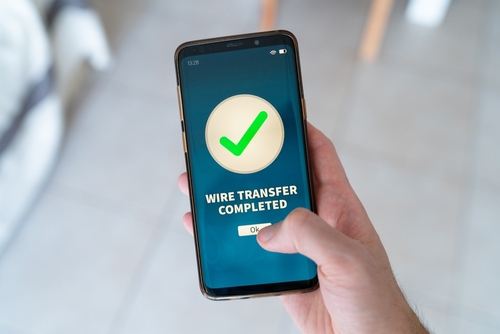
Bank wires are widely accepted and reliable. However, they can involve sending fees, intermediary bank deductions, and exchange rate margins. Processing may take several business days, so timing matters.
University-Approved Payment Platforms

Many universities work with international payment providers that specialize in student transfers. These platforms often include built-in reference fields and tracking tools. Fees and exchange rate margins vary by provider, so review the total cost before confirming.
Credit or Debit Card

If your university allows card payments through its portal, this can be the simplest method. Confirmation is usually immediate. However, foreign transaction fees and card limits may apply, so check with your bank in advance.
Understand Currency Costs
Exchange rates change frequently, and the total cost of your transfer includes both service fees and currency conversion margins. When comparing options, focus on the final amount the university will receive—not just the upfront fee.
If your home currency is volatile, allow time to monitor rates before initiating the transfer. But avoid waiting until the last day, as deadlines should always take priority over rate movements.
Avoid the Mistakes That Cause Delays
Small errors can create big problems when you’re working against a deadline.
- Sending the wrong currency
- Forgetting to include your student ID or reference number
- Initiating the transfer on the deadline day
- Ignoring daily transfer limits at your bank
- Overlooking time zone differences
A practical guideline is to initiate your payment several business days before the deadline. This gives you time to resolve unexpected issues.
If Your Deposit Is Running Late

If you suspect your transfer may not arrive on time, act quickly.
- Contact the admissions office and provide proof that the payment was initiated.
- Request a transaction status update from your bank or payment provider.
- Ask whether a short extension is possible while the funds clear.
Admissions offices are often more flexible when students communicate early rather than after a deadline has passed.
Protect Yourself from Payment Fraud
International student payments are a common target for scams. Always verify bank details directly on the university’s official website. Double-check account numbers and SWIFT/BIC codes carefully. Save every receipt, confirmation number, and email related to your transfer.
If something feels unusual, pause and contact the admissions office before proceeding.
Final Checklist Before Sending
- Confirmed official payment instructions through the university portal
- Verified required currency and deadline time zone
- Selected a transfer method that meets your timeline
- Included correct student reference information
- Allowed sufficient processing time
- Saved confirmation documents
- Confirmed receipt with the admissions office
Frequently Asked Questions (FAQs)
Can I pay my admission deposit in installments?
Most universities require the full deposit in a single payment. Contact the admissions office if you need clarification on available options.
What happens if I send more than the required amount?
Universities typically refund overpayments, but processing times vary. Confirm refund procedures before sending funds.
Can a parent or sponsor pay on my behalf?
Yes. Ensure your student ID or application reference number is included so the university can correctly apply the payment.
Will I get my deposit back if I defer enrollment?
Refund and deferral policies vary by institution. Review your acceptance materials or contact admissions for confirmation.
What if exchange rates change after I send payment?
Once a transfer is initiated, the exchange rate applied by your provider is typically fixed for that transaction. However, confirm with your provider how rates are applied before sending funds.
Can I send a cashier’s check or money order internationally?
Some universities accept physical payments, but international clearing times can be lengthy. Always confirm accepted payment methods before mailing funds.
Important Note
This article is for informational purposes only and does not constitute financial, legal, or tax advice. Always confirm payment details directly with your university and consult qualified professionals if needed.
Sending your admission deposit is the final step that secures your place in the incoming class. With early planning and careful verification, you can complete the process confidently and focus on preparing for your next academic chapter.
Sources
- Federal Student Aid (U.S. Department of Education). Financial Aid for Study Abroad.
Provides official guidance on how international and study abroad payments interact with federal financial aid and institutional requirements. - Consumer Financial Protection Bureau (CFPB).
Explains consumer protections, fees, exchange rates, processing times, and error resolution rights for international money transfers. - U.S. Department of State. Currency Exchange & Banking Abroad.
Offers guidance on currency exchange, foreign transaction fees, ATM usage abroad, and general financial precautions for international payments.