

You’ve worked hard to complete your degree. Your credentials are solid, your skills are sharp, and you’re ready to take the next step in your career. One common hurdle that many professionals encounter is the cost of getting licensed to work in another country.
Note on figures: Numbers and ranges in this article are illustrative estimates only. Actual fees vary by profession, licensing authority, country, and year. Confirm current costs with the official licensing board or credentialing agency before you commit funds.
Board exams and professional licensing fees can add up quickly. Between application costs, exam fees, travel expenses, and currency conversion, you could face several hundred to several thousand dollars in costs before you can start working. This guide explains what those fees commonly include, how to budget, and where to look for support.
What “Board Exam & Licensing Fees” Actually Include

Many candidates assume the exam registration fee is the only cost. In practice, you’ll likely encounter multiple expenses before, during, and after the testing process.
1. Application & Eligibility Fees
Before you can sit for an exam, licensing bodies often require verification of your credentials and proof of eligibility. Typical items include:
- Credential verification: Review of academic transcripts and degrees.
- Transcript evaluation: Converting qualifications to the host country’s standards.
- Registration processing: Administrative fees to open and maintain your file with the licensing board.
These steps can be modest to moderate in cost; a common planning range is roughly $100–$500, depending on the profession and country. Treat this as an estimate, not a guaranteed fee.
2. Examination Fees
Exam-related costs can include:
- Written exam fees
- Clinical or practical assessment fees
- Retake fees if another attempt is required
Typical planning ranges for exam fees fall from the low hundreds up to the mid-thousands per attempt in some professions. Budget conservatively and confirm the current fee schedule with the board.
3. Administrative & Documentation Costs
To submit a complete application, you may need additional services:
- Official translation of diplomas or certificates
- Apostille or notarization for some documents
- Background or police record checks
A reasonable planning range for these requirements might be on the order of $100–$400, depending on the number of documents and services required.
4. Travel & Logistics
If the exam or assessment is not offered locally, travel becomes a factor:
- Visa fees for the host country
- Flights and accommodation
- Local transportation to and from the testing site
Depending on distance and duration, travel expenses can range from a few hundred to a couple of thousand dollars.
For many professionals, the full cost of international licensing commonly falls in a broad illustrative range of roughly $2,000–$5,000. This is a planning guideline — confirm exact totals with the relevant licensing authority.
Typical Costs by Profession

Different fields have different fee structures. Below are general planning ranges for early budgeting; actual costs will vary.
- Healthcare: Total illustrative range of approximately $1,000–$3,600.
- Legal bar exams: Total illustrative range of approximately $1,600–$4,600.
- Engineering licensure: Total illustrative range of approximately $650–$2,600.
- Teaching certifications: Total illustrative range of approximately $650–$1,950.
- Skilled trades certifications: Total illustrative range of approximately $600–$1,900.
Always verify exact fees with the relevant licensing authority. Currency conversion and post-licensure registration fees may affect your final total.
Budgeting Strategy for International Licensing

- List every expected fee including application, exam, documentation, and travel.
- Convert and add a currency buffer of 10–20% for planning purposes.
- Plan for a retake by including at least one additional exam fee in your budget.
- Create a payment timeline aligned with registration deadlines.
Funding Options to Cover Licensing Fees
A. Personal Savings Plan
- Divide total cost by months until payment deadline.
- Automate savings into a dedicated account.
- Consider holding funds in the currency required for payment.
B. Employer Sponsorship or Reimbursement
- Some employers provide support for licensing costs.
- Present a clear plan outlining benefits to the employer.
- Keep all receipts and agreements.
C. Professional-Development Loans
- Compare interest rates and repayment terms carefully.
- Avoid high-cost short-term lending products.
D. Scholarships and Grants
- Research field-specific grants or workforce mobility programs.
Choosing the Right International Payment Method
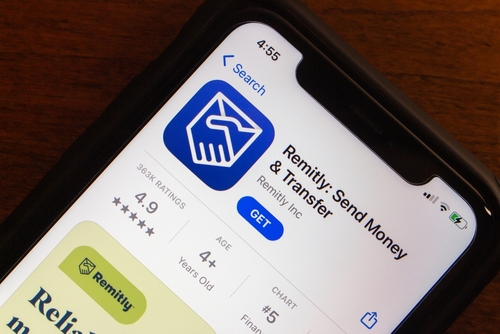
- Credit/debit card: Convenient but may include foreign transaction fees.
- International wire transfer: May include flat bank fees and exchange-rate margins.
- Official payment platforms: Use only those listed by the licensing board.
Always follow official instructions provided by the licensing authority to reduce fraud risk.
Managing Currency Risk
- Monitor exchange rates if you have flexibility in timing.
- Consider phased currency conversion for larger amounts.
- Compare currency options carefully when paying online.
What If You Fail or Need to Reschedule?
- Retake fees: Most boards charge the full fee again.
- Refund policies: Review cancellation terms carefully.
- Rescheduling penalties: Expect fees if changes are made close to the exam date.
Tax & Recordkeeping Considerations
Keep detailed records including receipts, confirmation emails, and bank statements. Consult a tax professional to determine whether licensing expenses qualify for deductions in your jurisdiction.
Step-by-Step Action Plan
- Confirm official fee structure.
- Calculate full estimated cost with buffer.
- Choose funding strategy.
- Pay through authorized channels only.
- Save proof of payment.
- Confirm exam registration.
Moving Forward with Confidence
Covering board exam and licensing fees abroad requires planning, but with a structured approach it is manageable. Understand the full cost, build appropriate buffers, explore funding options, and use secure payment methods. With preparation and organization, you can focus your energy on exam success and career advancement.