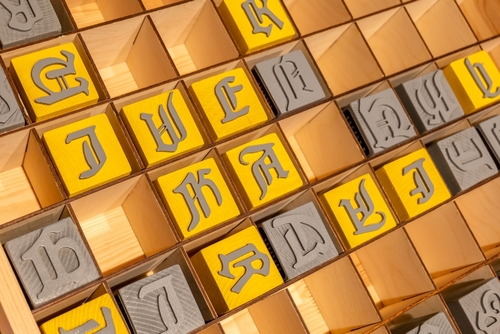

Key Highlights
- The Gothic alphabet was made in the 4th century by Bishop Wulfila.
- The main reason for the Gothic alphabet was to help put the Bible into the Gothic language so the Goths could read it.
- The script is different because it uses things from both the Greek and Latin alphabets.
- This alphabet is important for those who want to know about early Germanic languages and old texts like the Gospel of John.
- People do not use it now, but you can still see its style in art and modern calligraphy.
- Learning the Gothic letters can be a good way to get into ancient writing and scripts.
Introduction
Have you ever thought about the alphabets that people used long ago? The Gothic alphabet is a script from old times that connects to early Germanic languages. This alphabet is not the spiky font many people picture when they think of Gothic writing. It is a system that was made many years back, separate from what you see in blackletter fonts now. The Gothic alphabet was an important tool. It used parts of Ancient Greek and Latin to help the Gothic language have its own written form. Looking at this alphabet helps us learn about the Goths and what life was like for them. It also shows us their place in history, bringing together the ideas of alphabet, Gothic, Latin, Greek, and the early Germanic languages.
The Origins of the Gothic Alphabet
The Gothic alphabet was made in the 4th century AD. Bishop Wulfila was the one who brought the alphabet to life. He wanted to share Christianity with the Goths. He saw that the best way to do this would be to help the people read the Bible in their own words.
To make this happen, he needed a special writing style. Bishop Wulfila made the gothic alphabet for the translation of the Bible. He took the words from Greek and put them into the gothic language, which was part of the germanic parent language. The gothic language is not used now. This moment was big in the story of language and faith.
Early Germanic Scripts and Cultural Context
Before the Gothic alphabet came to be, many early Germanic languages were written with the runic alphabet. People made these runes by carving them into stone, wood, or even metal. The runic alphabet was used by the main tribes of the time, including the Goths. These symbols were not just regular letters. Many people thought the runes had special or sacred meaning.
The Goths moved around a lot and ended up living near the Black Sea. As their group grew bigger, things changed. When Christianity started to spread among the Goths, they needed a different way to write. The old runic alphabet was not good for writing long things like the Bible or other church texts.
The Gothic language needed something better now. This change pushed them to come up with a new way to write. Wulfila, a Christian bishop, made the Gothic alphabet to help people read and write the bible. The old runic system was no longer enough. The new script fit the sounds of their language and was easy to use on paper, leading the way for new traditions among the Goths.
Development and Adoption by the Goths
Most people say that Bishop Wulfila made the Gothic alphabet in the fourth century. He saw that the Latin and Greek alphabet alone could not match the sounds of the Gothic language. So Wulfila used parts from both the Greek alphabet and the Latin alphabet. He also made new letters for sounds you find only in the Gothic language.
His main goal was to help spread the Christian faith. Wulfila did this by putting the Bible in the language of the Goths. This helped people in the Gothic tribes, like the Ostrogoths and Visigoths, get easy access to Christian stories and ideas. Because of his work, more of them chose to follow Christianity.
Soon, the Gothic alphabet became part of daily religious life. People used it a lot and it became the main way to write the Gothic language. The making of this alphabet gave the Goths their own way to write and keep their stories. Today, historians and linguists can study what the Goths wrote long ago thanks to what Wulfila started.
Structure and Letters of the Gothic Alphabet
The structure of the Gothic alphabet is a mix of what you know and some new things. The Greek alphabet was the main script in the eastern part of the Roman Empire where the Goths lived, so many letters in the Gothic alphabet come from Greek. When you see the Gothic letters, there is a clear look that matches the Greek ones.
But Wulfila added letters from the Latin script and older runes too. He did this to show sounds that are not in Greek. Because of this, the Gothic alphabet is a mix or hybrid system of Greek, Latin script, and old runes. When you understand this, you get why some letters seem like ones you have seen before, while others in the gothic alphabet look new. Now, let’s take a look at each letter and see what makes them special in the alphabet.
Complete Chart of Gothic Letters and Their Names
Seeing the full set of Gothic letters is the best way to appreciate their unique forms. Each letter had a name, often related to a common word, which helped in learning and memorization. The chart below shows the Gothic letters in their traditional alphabetical order, along with their names and the common transliteration used by scholars today.
This arrangement helps when you are trying to read an original manuscript. The letters served dual purposes, as they also had a numerical value, a practice borrowed from the Greek system. Notice how some letters resemble their Greek or Latin counterparts, while others are distinct.
| Gothic Letter | Transliteration | Name | Numerical Value |
|---|---|---|---|
| ? | a | Ahsa | 1 |
| ? | b | Bairkan | 2 |
| ? | g | Giba | 3 |
| ? | d | Dags | 4 |
| ? | e | Aihws | 5 |
| ? | q | Qairthra | 6 |
| ? | z | Ezec | 7 |
| ? | h | Hagl | 8 |
| ? | þ (th) | Thyth | 9 |
| ? | i | Eis | 10 |
| ? | k | Kusma | 20 |
| ? | l | Lagus | 30 |
| ? | m | Manna | 40 |
| ? | n | Nauths | 50 |
| ? | j | Jer | 60 |
| ? | u | Urus | 70 |
| ? | p | Pairthra | 80 |
| ? | ninety | 90 | |
| ? | r | Raida | 100 |
| ? | s | Sauil | 200 |
| ? | t | Teiws | 300 |
| ? | w | Winja | 400 |
| ? | f | Faihu | 500 |
| ? | x | Iggws | 600 |
| ? | hw (ƕ) | Hwair | 700 |
| ? | o | Othal | 800 |
| ? | nine hundred | 900 |
Vowels, Consonants, and Unique Characters Explained
The gothic alphabet has a simple group of vowels and consonants. These letters help show the sounds you find in gothic language, which is called gothic phonology. The vowels in the alphabet are /a/, /e/, /i/, /o/, and /u/. They are almost the same as what you see in latin. The way you say them might be a bit different, though. Some sounds are short, and some are long. Knowing this is important to understanding how the gothic language works.
The consonants in the gothic alphabet are easy to notice, too. Most are popular, but there are also a few special letters. These were made because the gothic language has sounds that are not found in greek or latin alphabets. The people who made the alphabet worked hard to match the sounds very well. That care for sound, or gothic phonology, is one of the coolest things about the gothic alphabet.
Some of the letters you will see, that make the gothic alphabet and gothic language different, are:
- þ (Thyth): This letter is for the “th” sound. For example, the sound in “thin.” It comes from the runic alphabet.
- ƕ (Hwair): This letter is used for the “hw” sound. It is like the sound in how people used to say “what” a long time ago.
- j (Jer): This is for the “y” sound, as you hear
Writing in the Gothic Alphabet
Have you ever wanted to try writing the Gothic alphabet? Learning to write the gothic script can be a good and fun experience. This is not about modern gothic calligraphy with sharp lines. It is about getting back to the rounded hand used for old scriptures. It lets you be close to history.
A simple tutorial can help you get the basic strokes and shapes of each letter in the gothic alphabet. If you are into history, languages, or calligraphy, using a step-by-step guide is best. It will show you how to start writing this classic and beautiful gothic script.
Step-By-Step Guide to Learning Gothic Script
Learning gothic script is much easier when you break it into steps you can handle. It helps if you do not learn the letters in alphabetical order. Instead, start with the simple shapes first. This way, you get to know the basic strokes before you try to write the harder letters.
A good tutorial will walk you through each letter and show the order you need to use for the pen strokes. The gothic style here is called textualis quadrata. This kind of gothic script is made with small, clear marks. You need to be patient, because for some letters like ‘n’, you may have to make up to six different strokes for just one letter!
Here’s a simple way to get started:
- Gather Your Tools: Find a broad-nibbed pen, some good paper, and ink. It also helps if you use a sloped writing surface.
- Master the Basic Strokes: Begin with the letters ‘i’ and ‘l’. These use straight up-and-down lines called ‘minims’ and diamond shapes called ‘lozenges’.
- Build on Simple Letters: When you feel ready, try doing the letters ‘n’ and ‘u’. These letters are really just two ‘i’s joined together.
- Practice Regularly: Try writing simple words with the letters you know. If you practice a lot, you will build muscle memory and get better over time.
Tips for Practicing and Resources for Gothic Calligraphy
The best way to get better at Gothic calligraphy is to practice often. Start by working on making each letter the same size and shape. Try to keep the height, width, and space between the letters even every time. This will help your script look smooth and balanced, just like the old Gothic alphabet in history books. Do not rush. Take your time and focus on how each letter forms.
When you practice, watch your posture and how you hold the pen. Keep your arm loose and your grip light. This helps your lettering look more natural and less stiff. Try to move your whole arm, not just your fingers. This makes a big difference in your calligraphy.
You can find many helpful tools online for your lettering practice.
- Tutorials: Search for guides that show every step with clear pictures for each pen stroke.
- Printable Worksheets: Look for free sheets you can print with lines and sample letters to trace.
- Digital Fonts: Download a Gothic calligraphy font to type practice words, then copy those words by hand.
- Community Groups: Join online groups for calligraphy. Share your work and get tips from other fans.
Keep at it, and soon you will see your gothic letters and handwriting improve.
Comparison with Modern Scripts
When you look at the Gothic alphabet next to the modern English alphabet, you can see a big difference right away. Both come from the Latin alphabet in some way, but they do not look the same. Each went its own way over the years. The Gothic script has its own look. This makes it stand out.
There is one thing you need to know. Do not mix up the 4th-century Gothic alphabet with the “Gothic” or blackletter style from the Middle Ages. The names are the same, but the two are not the same alphabet. Each is its own kind of writing. Here, we will look at how Wulfila’s Gothic script matches up to the English alphabet we use now and also to other old scripts.
Differences Between Gothic Alphabet and Modern English
The biggest way the gothic alphabet is not like modern English is the letters themselves. The letters you see in the gothic alphabet are not the same ones we use today. The alphabet we use now comes from the latin script. It has 26 letters, and they have changed slowly over a lot of years. The gothic alphabet is different. It is a mix of styles, so there are a lot of gothic letters that will look strange to most people reading English.
Because the letters are not the same, it is hard to move gothic words right into English. A one-to-one match does not always work without something called transliteration. For example, there are some sounds in gothic that the English language writes using two letters together, like “th” or “wh.” But gothic has its own single letters just for those sounds.
Here are some main ways they are different:
- Unique Characters: The gothic alphabet uses special gothic letters, like ? (þ) and ? (ƕ), and you will not find letters like these in the english alphabet.
- Letter Shapes: Many letters in the gothic alphabet came from greek and have shapes that look different than the latin script and english alphabet (compare the gothic ‘r’ to the english ‘r’).
- Numerical Values: In gothic, some alphabet letters were used as numbers too. The english alphabet does not do this.
Relationship to Old English Blackletter and Other Scripts
It’s easy to get mixed up about this, but the 4th-century Gothic alphabet is not the same thing as the script called “Gothic,” “blackletter,” or “Old English.” That later script, often called blackletter, is really a form of the Latin alphabet. It became well known in Western Europe from the 12th century and after that. It is the style you may think of when you picture the letters in old books or fancy calligraphy.
The Gothic alphabet used by Wulfila was made just for the Gothic language. Blackletter, instead, is a way people would write Latin letters like A, B, and C using a fancy style. Old English, on the other hand, was first written using a runic alphabet before switching to a form of the Latin script.
So, even though the word “Gothic” is used in both cases, it actually means two different things. One is a special alphabet for the Gothic language, and the other is a different way to use the Latin script, which was common in Europe much later. The real link between them is that they both belong to the wider Germanic tradition.
Historical Significance and Usage
The historical importance of the Gothic alphabet is huge, especially when you look at early Germanic history and languages. When the Gothic alphabet was created, it was a turning point. The Goths had a written form of their language for the first time. This helped them keep records of their culture and their religious beliefs in writing.
People know about the use of the Gothic alphabet mainly because a few old manuscripts still exist. The most well-known one is the Codex Argenteus. These priceless documents have parts of the Gospel of John and other Bible texts. They are a main way for us to see and study the now-lost Gothic language. In this piece, we’ll look at how the alphabet was used and why items like the Codex Ambrosianus are so important.
The gothic alphabet, Codex Argenteus, gothic language, Gospel of John, and Codex Ambrosianus all play a big role in helping us know more about the Goths and their old writing system.
Main Functions and Uses in Early Germanic History
The main job of the gothic alphabet was for religion. Bishop Wulfila made the gothic script so the Bible and other Christian books could be changed into the gothic language. This way, the Goths could read about their faith in their own words. This was very important when they started to follow Arian Christianity in the 4th century.
The gothic script was not only for religion. It was also something that set the Goths apart from Roman and Greek people nearby. Having their own alphabet gave all the gothic tribes a stronger feeling of being together. So, it helped them talk about their leaders and also build their own culture.
Now, for those who study language and history, the gothic script is a way to see into the past. The texts in the gothic alphabet are some of the only full writings we have of any east germanic languages. They are a good way to know how germanic languages like English, German, and Dutch changed with time. For us, this makes the gothic script a major part of early germanic history.
Examples of Text and Words Written in Gothic Alphabet
Seeing some examples of Gothic words can help make the alphabet feel more real. The best source the world has for these examples comes from old texts, like the Codex Argenteus. This is a 6th-century manuscript with parts of Wulfila’s Bible translation. The line that is known by most people is the Lord’s Prayer at the start of the Gospel of John.
When you look at these Gothic words, you may notice how they link to other Germanic languages. Many of the simple words for family, nature, and things we do every day still look familiar to people who know English or German. It helps us see our deep and shared language roots.
Here are a few examples of gothic words with their translations:
- ??? (atta): “father”
- ????? ????? (bagme bloma): “flower of the trees”
- ??? (jah): “and”
- ????? (raida): “wagon” or “chariot”
These ancient words are kept safe in the old manuscripts. They give us a way
Gothic Alphabet in Art and Calligraphy Today
The Gothic language is no longer spoken, but the alphabet is still seen in art and calligraphy. It has a style that stands out, and many people use it in new design work. Artists, designers, and people who do calligraphy all get ideas from the shapes of these letters. The long history of the gothic alphabet can give your project more feeling and style.
There are a lot of ways to use the gothic alphabet now. People make digital fonts, and some create hand-written art by using it. The look of the letters is easy to notice and gives a nice touch to anything you make. If you want to use it in a design or just look at it, you have many choices. There are also good resources out there where you can find these gothic alphabet styles for your work.
Let’s look at how the gothic alphabet is part of today’s design and find out where you can get top-quality resources.
High-Quality Images and Modern Design Applications
For people who want to use the Gothic alphabet in their work, the first thing to do is get good images. There are great places to find these images, like digital archives of old books, big university libraries, and museum collections. These options often have scans that are very clear, such as the ones from the Codex Argenteus. You can use these to see the script up close.
The gothic alphabet is old, but there are still many new ways to use it now. Because this alphabet looks so different, it can help give designs a bit of history or fantasy. Some font designers have also made digital families of this script, so you can use the gothic alphabet in all types of digital media, or in things like branding and graphic design.
Here are some ways you can use this script in modern design:
- Logos and Branding: One gothic letter can really stand out as a logo or a special monogram that people will remember.
- Tattoo Design: The strong look of the font and its ties to the past make it good for tattoo lettering that means something special.
- Fantasy and Historical Art: Artists like to use the gothic alphabet when they want their maps, book covers, or game screens to feel real and full of history. This style gives them lots of new ideas for their art.
Free Printable Sheets and Artistic Inspiration
If you want to try Gothic calligraphy, you will be glad to know that you can find lots of free resources. Many people who love calligraphy and some old history groups share free printable sheets on the internet. The guides you find online often show the full alphabet, lines for you to practice on, and sometimes even full words you can trace.
These free printable sheets are a good start for anyone new. You can use them to learn the basic strokes and see how each letter in the Gothic alphabet is shaped. This means you do not have to spend money on books or classes right away. It is a good and simple way to learn this old art form.
Here is where you can get printable sheets and some creative ideas:
- Calligraphy Blogs and Websites: You can find free help and step-by-step lessons shared by calligraphers on their own sites.
- University Archives: There are some universities where you can get free learning tools about old writing styles from their language or history departments.
- Pinterest and Art Communities: When you search on Pinterest and other art groups online, you will find many practice sheets made by other people, plus lot of ideas to help with your Gothic calligraphy.
Conclusion
To sum up, the Gothic Alphabet is a special part of our culture and shows how language changed over time. It started from early Germanic writing and was later used by the Goths. The gothic alphabet helped people share ideas long ago and still gives people in the art world new ideas now. You can learn gothic calligraphy for fun or look at the history to see why the gothic script is important. Getting into the gothic alphabet lets you see more about art and style. So, try looking at this old way of writing to see its beauty for yourself. If you want to get started, you can use our free printable sheets and other resources to help guide you on your creative journey!
Frequently Asked Questions
Is the Gothic Alphabet still used today?
No, the Gothic alphabet is not used today. The Gothic language it was made for is an extinct East Germanic language. Today, the Gothic alphabet is mostly used by linguists and people who study history. Some people also use it for art and calligraphy, but these are mostly enthusiasts.
Where can I find resources for learning Gothic calligraphy?
You can find good tools for learning gothic calligraphy on the internet. You should check websites and blogs, as many of them have a step-by-step tutorial for you. Some of them offer digital font files that you can download and look at for help. You may also get free sheets you can print to practice your writing. Video sites have easy-to-follow guides, too, and these can help you see how to do each stroke with your hand.
How hard is it to read original Gothic writing?
Reading old Gothic writing is not easy. It helps to learn the alphabet first. But you also need to know the gothic language and its grammar. For example, the preterite tense can be hard. Old gothic texts do not have punctuation or spaces like the ones we see now. This makes it hard for people to read or translate. Because of this, translation is a special skill.