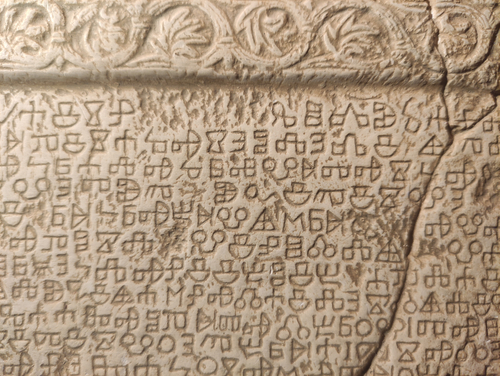

Key Highlights
- The Glagolitic script is the oldest known Slavic alphabet from the 9th century.
- Saint Cyril made the Glagolitic script so people could translate religious texts into Old Church Slavonic.
- The script has a unique look, with many decorative shapes. It stands apart from both Greek and Latin alphabets.
- The script got some of its structure from Greek. Still, the Glagolitic script uses its own special letter forms.
- Many regions started to use the Cyrillic alphabet instead of Glagolitic. But in Croatia, people kept using the Croatian Glagolitic script for hundreds of years.
- The Glagolitic script helped people learn to read and write. It also played a big part in giving Slavic people their own culture and identity.
Introduction
Have you ever seen an alphabet that looks like art and not just letters? The Glagolitic script stands out for this reason. The Glagolitic script is the oldest known Slavic alphabet, and it is both beautiful and interesting. It played an important part in the story of Old Church Slavonic.
This was before the Cyrillic alphabet became the one everyone knows today. Back then, the glagolitic script let the Slavic people write and read in their own language. In this blog, you will find out more about the origin of the Glagolitic alphabet, learn what makes it special, and see how it made a mark on culture for years to come.
Origins and Creation of the Glagolitic Alphabet
The story of the Glagolitic script starts in the 9th century. The main reason for its creation was to share religious books with Slavic people in their own language. The Byzantine Empire wanted to reach more people, and they knew language was one way to do that. Saint Cyril was a scholar from the Byzantine Empire. He got this big job.
Saint Cyril made the Glagolitic alphabet for the way people talked in Moravia. Because of this new alphabet, people could put the Bible and church text into words that Slavs could easily get. For the first time, the Slavic people had a way to read and write in their own language. This was a huge change for their culture and way of writing. Later on, the Glagolitic script became known in Croatia. Let’s look more at who helped make it and why it first came to be.
Who Created the Glagolitic Script and When
The Glagolitic script came from Saint Cyril, who was a monk and scholar from the Byzantine Empire. His brother, Saint Methodius, helped him do this. They worked on the alphabet around the year 863 AD. This happened because Prince Rastislav of Great Moravia wanted Christian teachers who would use the Slavic language for his people. He did not want outside groups, like the Germans, to have control over the mission work.
Saint Cyril was good with languages. He saw that the Greek alphabet was not right for the Slavic language. Many sounds in Slavic were missing from the Greek letters. Cyril and Methodius set out to make a new alphabet that worked with all the sounds in their everyday talk. The Byzantine emperor supported their plan, which was somehow a way for the empire to spread its reach and show more byzantine influence.
The final result was the Glagolitic script. This new alphabet fit the way people spoke in Moravia during the 9th century. Making the Glagolitic script was a big point in time that let people in Moravia read and write in their own way. This gave them a chance to build their own culture and learn more from what Cyril and the mission brought to them.
Early Purposes and Historical Context
From the start, the glagolitic script was made for one big reason. It was there to help translate the Bible and other key religious books from Greek into Old Church Slavonic. This let the Slavic people hear Christian teachings in their own language for the very first time. It was a big step for them.
This meant a lot to the people at the time. With the glagolitic script, Cyril and Methodius gave people the chance to read and write in Slavonic. It helped them feel free from the Roman church, which used Latin. The glagolitic script showed their own Slavic roots and ties to the Byzantine world.
With this new way to write, people built a strong Slavic literary and religious tradition that lasted many years. It made sure the Slavonic language stayed important for church life and for other big matters.
Features and Structure of the Glagolitic Script
The Glagolitic script stands out because of its fancy and detailed letters. The shapes are not as simple as the ones in the Latin script or Greek alphabet, even though the Glagolitic script took some inspiration from those systems. The Glagolitic font includes lots of loops, circles, and triangles, which make it look very different. The alphabet had about 38 letters in the beginning to fit all the special sounds in Old Church Slavonic.
The system itself comes from the Greek alphabet. But the way the letters look may come from other scripts, like Hebrew or Armenian. Because of these ideas mixing together, the writing became not only useful but also nice to look at. Let’s take a closer look at some letters of the glagolitic script and see what makes them so special.
Glagolitic Letters and Their Pronunciation
The Glagolitic alphabet was meticulously designed to represent the specific sounds of the Old Church Slavonic language. Each letter in the Glagolitic font has a name, and its design corresponds to a particular phonetic value. For instance, the first letter, “Az,” represents the /a/ sound, much like the letter ‘A’ in English.
Many letters were adapted from Greek, while others were newly created for Slavic sounds that didn’t exist in Greek. The Croatian Glagolitic script, a later variant, developed its own squared style but maintained the core phonetic principles. Understanding these letters helps appreciate the ingenuity behind the oldest Slavic alphabet.
Here are a few examples of Glagolitic letters and their approximate pronunciations to give you an idea of how the script worked.
| Glagolitic Letter Name | Approximate Pronunciation |
|---|---|
| Az (Ⰰ) | /a/ as in “father” |
| Buky (Ⰱ) | /b/ as in “book” |
| Vědě (Ⰲ) | /v/ as in “vine” |
| Glagoli (Ⰳ) | /g/ as in “go” |
| Dobro (Ⰴ) | /d/ as in “dog” |
Unique Characteristics Compared to Other Alphabets
The Glagolitic script is very different from the Cyrillic and Latin alphabets. The first thing that catches the eye is how complex the letters look. The Cyrillic alphabet took many of its letters straight from the Greek alphabet. But the glagolitic script has its own letter shapes. They are full of curves, loops, and sharp turns.
The people who made the glagolitic script did this on purpose. They wanted the Slavs to have their own look that was not the same as the ones found in Rome or Constantinople. After some time, the glagolitic script changed in places like Croatia. There, it became the croatian glagolitic script, where the lines got even more square and sharp. This helped set it even further apart.
Here are some features that make the glagolitic script special:
- Complex Letterforms: The Greek and Latin alphabet both use simple shapes, but the glagolitic script went in another direction. Its letters are more ornate.
- Original Design: The letters were made just for Slavic sounds. These do not match any letters in the latin or greek alphabet or even the cyrillic alphabet.
- Symbolic Names: Each letter had its own name, which meant something. For example, Az meant “I,” Buky meant “letters,” and Vědě meant “know.”
- Ideological Independence: The unique look of the glagolit
Conclusion
To sum up, the Glagolitic script shows the deep culture and language history of Slavic people. The alphabet has a special shape and was very important for old church slavonic. It helped save many religious texts. When we learn about the glagolitic script, we get to know more about how language grew and also feel respect for the many ways people write. If you want to know more about how the glagolitic script has shaped slavonic languages or its past uses, be sure to check out more resources!
Frequently Asked Questions
How does the Glagolitic alphabet differ from Cyrillic?
The main difference between the glagolitic script and the cyrillic alphabet is in the letters. The glagolitic script uses detailed and fancy shapes that are very different from what you see in most writing systems. The cyrillic alphabet, built later, takes most of its look from the greek alphabet. That is why it is much easier to spot shapes from the greek and latin script when looking at cyrillic. So, the cyrillic alphabet looks less strange next to the alphabets people use in western Europe.
Is the Glagolitic script still used today?
The Glagolitic script is not used often today, but it is still very important in culture, especially in Croatia. People mostly use the Glagolitic script for decoration and special events. You can see it on monuments, art, and designs for souvenirs. The heritage of this alphabet can be found in places like Zagreb. People in the city keep the memory of the Glagolitic script alive by showing it proudly where visitors and locals can see it.
What was its significance in Old Church Slavonic and religious history?
The Glagolitic script had a big role in the history of religion. It made it possible for people to read the Bible in Old Church Slavonic. This meant many Slavic people could learn about Christianity in their own language. Because of the glagolitic script, there was a special Slavic church that was not under Rome and did not use Latin. People like Bishop Philip of Senj worked hard to protect this right for their church.