
Getting paid should be one of the simpler parts of freelancing. Yet for many independent workers, international payments can create avoidable stress—incorrect details, unclear requests, or transfers that are delayed without explanation.
It often begins with a message from a client: “Can you send your SWIFT code again?” or “Do I need your address to process this?” In some cases, a payment may be delayed or returned, and neither side immediately knows why.
The good news is that many of these issues can be reduced with clearer communication. Clients typically don’t need a large amount of information to send payment—they just need the correct details, shared clearly. This guide explains what to provide, what’s usually unnecessary, and how to create a smoother payment process from the start.
The Core Information Clients Usually Need
The exact details required depend on how the client is sending payment. Below is a general breakdown by method.
International Bank Transfers

For a standard international wire transfer, clients commonly request:
- Your full legal name — exactly as it appears on your bank account
- Bank name
- Bank address — required in some cases
- Account number or IBAN — used in many countries outside the U.S.
- SWIFT/BIC code — identifies your bank internationally
- Currency of your account — specifying this can help reduce unintended conversions
Digital Payment Platforms
If you use an online payment platform, clients typically need:
- The email address associated with your account
- Your account ID, if applicable
- A payment link, if the platform provides one
Business Entities
If you invoice as a registered business rather than an individual, you may also need to provide:
- Company name
- Registered business address
- Tax ID, if required by law in your jurisdiction or the client’s
What Clients Generally Don’t Need
Sharing too much information can sometimes create confusion or unnecessary risk.
Clients generally do not need:
- Your online banking login credentials
- Personal identification documents, unless legally required
- Your home address, unless directly relevant to the transaction
- Multiple versions of your payment instructions
- Personal details unrelated to completing the transfer
A practical rule of thumb is to share what is necessary for the payment method being used—and no more.
Why Banks Sometimes Ask for Extra Details
Occasionally, a client’s bank may request additional information. This is often related to internal compliance procedures rather than an issue with the payment itself.
Examples may include:
- Intermediary bank details
- Routing numbers (particularly for U.S.-connected transfers)
- A brief description of the payment purpose
- Tax forms required under local regulations
Understanding that these requests are typically procedural can make it easier to respond efficiently.
How to Present Payment Details Professionally

The way payment details are shared can influence how smoothly a transfer is processed. Sending information across multiple messages may increase the chance of small errors.
Some helpful practices include:
- Creating a reusable Payment Information Sheet with clearly formatted details
- Stating the currency of your account upfront
- Clarifying who is responsible for transaction fees
- Sending consolidated updates if your payment details change
Clear formatting and consistency can reduce follow-up questions and minimize delays.
Common Mistakes That Can Delay International Payments
Payment delays are often caused by small, preventable errors. Examples include:
- Incorrect SWIFT code or IBAN
- Not specifying the account currency
- Using a name that does not match your bank records
- Updating payment details mid-project without clear notice
- Not clarifying how transfer fees are handled
Even a minor discrepancy in account information can result in processing delays. Reviewing details carefully before sending them may help avoid these issues.
Security Considerations When Sharing Payment Details
It’s natural to feel cautious when sharing financial information. Standard receiving details such as IBANs and SWIFT codes are generally intended for receiving funds rather than accessing accounts.
Still, reasonable precautions include:
- Using secure communication channels
- Avoiding publicly accessible file-sharing links
- Confirming updated payment instructions verbally when appropriate
- Treating unusual requests with caution
The goal is not to create friction, but to share necessary information responsibly.
Choosing a Payment Method That Works for Both Sides
The payment method selected can influence speed, cost, and convenience. Factors to consider may include:
- The client’s country
- Currency compatibility
- Transfer fees
- Typical processing times
- Compatibility with accounting systems
For example, some clients may prefer bank transfers, while others may find online platforms more convenient. Discussing options early can help identify what works best for both parties.
Creating a Smoother First Payment Experience

Clarifying payment logistics before work begins can help set expectations.
At the start of a client relationship, consider:
- Agreeing on a payment method
- Confirming the currency
- Establishing invoice and payment timelines
- Identifying the appropriate billing contact
- Including payment details in contracts or onboarding documents
When expectations are aligned early, administrative back-and-forth may be reduced later.
Frequently Asked Questions
Do clients need my home address for international payment?
Not in most cases. Home addresses are rarely required for standard transfers or online platforms. If an invoice requires an address, a business address or P.O. box may be an alternative.
Is it safe to share my IBAN or SWIFT code?
In general, these codes are designed to receive funds and do not provide direct account access. Sharing them through secure channels and with legitimate clients is advisable.
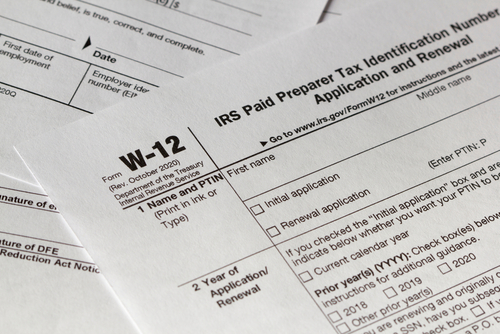
What tax forms might international clients request?
Requirements vary by country. For example, U.S.-based companies working with foreign contractors often request specific tax certification forms. A client’s accounting team can typically clarify what is needed.
Why might a payment be rejected?
Common reasons include incorrect account details, name mismatches, missing intermediary information, or currency discrepancies. Contacting your bank can help identify the cause.
Who pays international transfer fees?
Practices vary. Some freelancers incorporate potential fees into pricing, while others address responsibility for fees in their contracts. Clear agreement in advance can help prevent misunderstandings.
Make Paying You a Straightforward Process
International payment delays are often the result of unclear instructions or minor administrative errors rather than complex banking barriers.
Providing accurate details in a consistent format, confirming expectations early, and addressing currency and fees upfront can help reduce friction in the payment process.
Small steps taken at the beginning of a client relationship may contribute to fewer delays and a more predictable experience for everyone involved.