

Getting paid should be straightforward. But for freelancers working with international clients, the payment process can sometimes become a source of confusion, delays, and unnecessary friction.
It’s worth remembering: your payment process can say as much about your professionalism as your portfolio does. When a client in London, Singapore, or Toronto receives an invoice with unclear currency details and limited payment instructions, it may raise questions—not just about logistics, but about reliability.
The good news? You don’t need a registered company or an accountant to handle international payments professionally. Clear systems, thoughtful communication, and a few practical habits can help signal to clients that you treat your freelance work like a real business.
This guide walks through practical considerations—from contracts and invoices to cash flow planning and cross-cultural awareness.
Start With a Clear, Structured Contract

Professionalism begins before the first invoice is sent. A well-structured contract sets expectations early and helps reduce ambiguity around payment.
Every freelance contract for international work should cover:
- Scope of work — what’s included and what isn’t
- Payment terms — Net-7, Net-15, or Net-30, clearly stated
- Accepted payment methods
- Currency of payment — USD, EUR, GBP, etc.
- Late payment terms — fees or paused work policies
Clients who work with freelancers across different countries often appreciate clarity and structure. A clear contract can help create alignment and reduce misunderstandings.
Send Polished, Detailed Invoices

An invoice is one of the most frequent touchpoints between you and your client.
A professional freelance invoice should include:
- Your logo and business name
- A unique invoice number
- Issue date and due date
- A clear description of services rendered
- Payment instructions (bank details or payment platform information)
- Currency clearly stated
- Tax identification number, if required in your jurisdiction
Formatting matters. A clean, branded invoice created using invoicing software or a structured template typically appears more professional than a simple email request for payment. If you’re receiving payment via bank transfer, make sure your banking details are formatted clearly and accurately.
Small details can influence how your business is perceived.
Be Transparent About Fees and Currency

One common source of friction in international payments is fee ambiguity. Who covers transfer fees? Is the invoiced amount what you expect to receive, or what the client expects to send?
Address this early. A simple line in your invoice or contract can help clarify expectations:
“Please ensure payment covers any transfer fees so that the full invoiced amount is received in [your currency].”
Also clarify:
- The exact currency of payment
- Whether the invoiced amount is gross or net
- How exchange rate fluctuations will be handled for longer projects
Clear communication around these points can help build trust and avoid surprises.
Offer Multiple Payment Options When Possible

Not every client can easily send money via international bank transfer. Some prefer digital payment platforms. Others may rely on local banking systems that create additional steps when sending funds abroad.
Offering two or three payment options, when feasible, may reduce friction and make it easier for clients to pay on time.
Some freelancers choose to use multi-currency accounts through financial service providers that allow them to receive and hold funds in different currencies. These accounts can sometimes help reduce unnecessary currency conversions and simplify cross-border payments.
Before choosing a provider, consider factors such as fees, processing times, supported countries, and regulatory requirements in your location.
Set Payment Expectations Early

Many freelancers wait until the invoice is sent to discuss payment terms. It’s often more effective to raise these topics during onboarding or early project discussions.
Consider confirming:
- The payment schedule (upfront deposit, milestones, or payment upon completion)
- The correct billing contact
- The client’s internal approval process
- Their accounting cycle, if payments are processed on specific dates
These conversations are part of running a professional business relationship. Addressing them early can help prevent confusion later.
Communicate Proactively About Payment Timelines

Once a project is underway, proactive communication can help keep payments predictable.
Helpful habits include:
- Sending invoices promptly after delivering work
- Confirming the invoice was received (especially across time zones)
- Sending a polite reminder close to the due date if payment has not arrived
- Acknowledging payment once it clears
This creates clarity on both sides and reduces uncertainty.
Keep Organized Financial Records
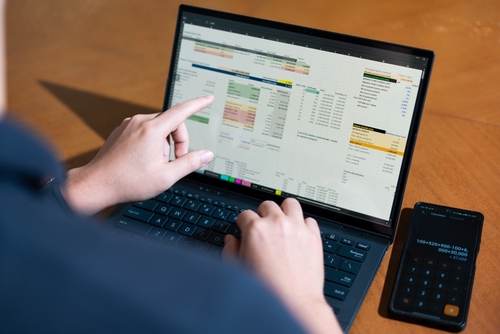
International freelancing can involve multiple currencies, varying exchange rates, and different tax considerations depending on where you and your client are located.
Organized record-keeping can help you stay prepared. Consider tracking:
- All invoices sent and their current status (paid, pending, overdue)
- The exchange rate at the time of each payment
- Tax documentation relevant to each client or jurisdiction
- Archived contracts and key correspondence
Accounting software or a well-maintained spreadsheet may be sufficient for many freelancers. The goal is simple: maintain clear documentation in case questions arise.
Protect Your Cash Flow Without Seeming Difficult

Late payments can occur—particularly with international transactions that involve additional processing steps. Building reasonable protections into your workflow can help manage risk.
Common practices include:
- Requesting a deposit (often 25–50%) from new international clients before starting work
- Using milestone billing for larger projects
- Pausing work if an invoice becomes significantly overdue, with clear and professional communication
Framing these policies as standard business practices can help maintain a positive working relationship while protecting your time.
Account for Cultural and Time Zone Differences

Working globally means navigating different business norms, holidays, and communication styles.
For example:
- Bank holidays vary widely and may delay payments.
- Communication expectations differ across regions.
- International transfers may take several business days depending on the countries and payment methods involved.
- Standard payment terms vary by market (e.g., Net-30 or Net-60 in some regions).
Being aware of these differences can help you plan accordingly and avoid unnecessary frustration.
Avoid These Common Professionalism Mistakes

Even experienced freelancers occasionally overlook small details. Consider watching for:
- Vague invoices — for example, “Consulting services – $1,500” without additional context
- Last-minute changes to payment details
- Emotionally charged messages about payment delays
- Inconsistent currency references within the same invoice
- Missing invoice numbers, due dates, or service descriptions
While minor on their own, these issues can create confusion or slow down payment processing.
Think of Yourself as a Global Business
Freelancers who manage international payments effectively often approach their work with a business mindset.
That may include:
- Using structured systems for contracts and invoicing
- Communicating clearly about payment expectations
- Understanding how international payment methods work
- Keeping documentation organized
When payment processes are clear and predictable, clients can focus on the work itself and the value you provide.
Frequently Asked Questions (FAQs)
What’s the best way to invoice an international client?
Using invoicing software or structured templates can help create clear, professional invoices. Always specify the currency, include a unique invoice number, and clearly state payment terms and due dates.
Who should cover international transfer fees—the freelancer or the client?
Practices vary. It’s best to address this in your contract or invoice so both parties understand the expectation before payment is sent.
Should I invoice in my currency or the client’s?
Invoicing in your own currency can reduce exposure to exchange rate fluctuations. However, some clients prefer paying in their local currency. Consider how exchange rate changes may affect the final amount you receive.
Is it normal to ask for a deposit from international clients?
Yes, requesting a deposit—particularly from new clients—is common practice. It can help secure your time and reduce financial risk.
How do I handle late payments professionally?
Start with a polite reminder referencing the invoice number and due date. If payment remains outstanding, follow up with a clear message referencing your payment terms. Pausing work until payment is received may be appropriate in some cases.
What tools help freelancers manage international payments?
Options may include traditional bank transfers, online payment platforms, and multi-currency accounts offered by various financial institutions or fintech providers. Comparing fees, processing times, and currency support can help you choose what works best for your situation.
Build a Payment Process That Works for You
International payments don’t have to feel overwhelming. With structured contracts, clear invoices, transparent communication, and consistent follow-up, you can create a system that supports both you and your clients.
Consider starting with one or two improvements—updating your invoice template, clarifying payment terms in your contracts, or confirming invoice receipt more consistently.
Over time, small adjustments can lead to smoother payment processes and stronger client relationships.