
Getting paid should be the easy part of freelancing. You’ve done the work, met the deadline, and sent the invoice—but when your client is in another country, completing that payment can quickly become more complex. Currency conversions, transfer fees, and processing delays can reduce your earnings before the money reaches your account.
The good news? Freelancers today have a range of options for working across borders. The key is choosing a payment method that fits your situation—and understanding the potential trade-offs before committing to one.
This guide outlines common international payment methods for freelancers, covering fees, speed, and important considerations so you can decide what works for your business.
What to Look for in an International Payment Method
Before comparing options, it helps to know what matters most for your situation. A developer billing large monthly retainers may need different tools than a writer invoicing smaller one-off projects.
Here are four factors worth evaluating:
Fees: Review any costs and fees.
Speed: How quickly will the money arrive? Some methods settle within minutes, while others take several business days.
Currency support: Does the payment method support your client’s currency and your local currency?
Ease of use: Will your client be comfortable using it? Even a cost-effective platform may not be practical if your client prefers another method.
With those criteria in mind, here’s a look at common options.
Bank Transfers (SWIFT/Wire Transfers)

Bank-to-bank international transfers—often processed through the SWIFT network—are one of the most established payment methods. Many businesses already use wire transfers, which can make this option convenient for clients.
However, fees can apply on both ends: the sending bank may charge the client, and the receiving bank may also charge a fee. Exchange rates may include a markup, and transfers typically take two to five business days. For larger invoices, the familiarity and predictability of a wire transfer may make the fees acceptable. For smaller payments, fixed fees can represent a larger percentage of the total.
When it works well
Wire transfers are often used for higher-value, infrequent invoices—such as project milestones or monthly retainers. Clients are usually familiar with the process, which can reduce back-and-forth.
International Money Transfer Services
Dedicated international transfer platforms have become more common in recent years. These services often provide exchange rates and fees that differ from traditional banks, and transfer times may be shorter depending on the currencies involved.
Some operate by maintaining local accounts in multiple countries. In these cases, your client pays in their currency and you receive funds in yours, which may help streamline the process.
Transfer speeds range from minutes to a couple of business days, depending on the provider and currencies used. Some platforms also offer multi-currency accounts, allowing you to hold balances in different currencies and convert when it makes sense for your business.
When it works well
This approach may suit freelancers with regular international clients, particularly those billing in widely used currencies such as USD, EUR, or GBP. Over time, reviewing exchange rates and fees across providers may help manage overall costs.
Digital Wallets and Online Payment Platforms
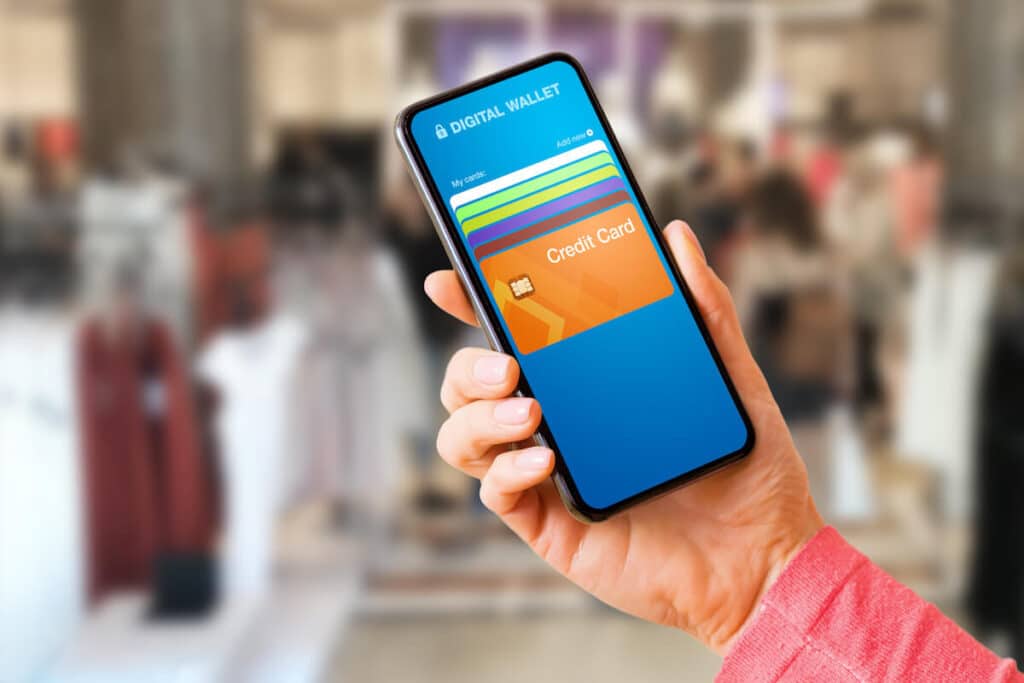
Online payment platforms allow clients to pay using a card or linked bank account, with funds appearing in your account balance shortly after payment. From there, you can transfer funds to your bank or, in some cases, spend directly using a linked card.
These platforms are widely recognized and generally easy to use, which can reduce friction. However, they typically charge a percentage-based fee per transaction and may apply withdrawal fees or currency conversion markups. For smaller invoices, percentage-based fees may be manageable. For larger amounts, the total cost may be more noticeable.
Some platforms may also place temporary holds on funds, which can affect timing.
When it works well
Digital wallets can be useful for smaller, frequent payments or when a client prefers a familiar platform. They can also serve as a secondary option alongside another primary payment method.
Cryptocurrency

Some freelancers choose to accept payment in cryptocurrency. Transactions can be processed without traditional banking intermediaries, which may be helpful in certain regions.
One consideration is price volatility. The value of many cryptocurrencies can fluctuate between the time a payment is sent and when it is converted to local currency. Stablecoins—cryptocurrencies pegged to fiat currencies—aim to reduce this volatility but involve their own considerations.
Tax treatment of crypto payments varies by country and may require careful recordkeeping.
When it works well
Cryptocurrency may be an option for clients in regions with limited banking access or for freelancers who are already comfortable using digital assets. For many freelancers, it may function better as a supplemental payment method rather than a primary one.
Multi-Currency Freelance Accounts
Some financial services offer accounts designed for freelancers and remote workers. These accounts may provide local bank details in multiple currencies, allowing clients to make what appears to be a domestic transfer.
Freelancers can receive funds in different currencies, hold balances, and convert when appropriate. Some services also include invoicing features to help manage multiple international clients.
Fees and account structures vary by provider, and some may charge monthly fees in addition to currency conversion costs.
When it works well
Multi-currency accounts can be practical for freelancers working with clients in several countries. Enabling clients to pay via a local transfer may help simplify the payment process.
How to Choose the Right Method
There’s no single solution that fits every freelancer. The right payment method depends on your circumstances. Consider:
- How large are your invoices? Percentage-based fees may have a greater impact on larger payments, while flat fees may represent a higher share of smaller ones.
- How often do you invoice? Regular payments may justify setting up a more robust system.
- Where are your clients located? Availability and processing times vary by region.
- How quickly do you need access to funds? Timing can affect cash flow planning.
Starting with one or two reliable methods and expanding as your client base grows can be a practical approach. Many freelancers maintain a primary method and a backup option.
Frequently Asked Questions
What is one of the more cost-effective ways to accept international payments as a freelancer?
International transfer services and multi-currency accounts are often considered cost-conscious options when evaluating both transfer fees and exchange rate markups. Traditional bank wire transfers may involve higher total costs, particularly for mid-sized payments. Comparing providers can help identify what works best for your situation.
How long does it take to receive an international payment?
Timelines vary by method. Some digital wallets and transfer services process payments within minutes, while bank wire transfers commonly take two to five business days. Multi-currency accounts may be faster when clients can pay using local transfer details.
Should I ask clients to cover transfer fees?
Some freelancers request that clients cover transfer fees, particularly for wire transfers. This can be addressed in your contract or invoice terms to avoid confusion.
Do I need to report international freelance income for tax purposes?
In many countries, income earned from international clients is taxable and must be reported. Rules around currency conversion and reporting timelines can vary, so consulting a tax professional familiar with self-employment income may be helpful.
What should I do if a payment is delayed or goes missing?
Contact your payment provider promptly and provide the transaction reference number. For bank transfers, your bank may be able to initiate a trace through the SWIFT network. Keeping organized records of invoices and confirmations can support any follow-up.
Make Getting Paid Work for You
Choosing a payment method is an important operational decision for freelancers. Over time, differences in fees and exchange rates can affect your overall earnings.
Review the options available in your country and consider testing a few before settling on a primary method. Finding a dependable and cost-conscious way to manage international payments can help you focus more on your work and less on administrative tasks.